

Faq’s
FAQs (Frequently Asked Questions) provide concise answers to common inquiries about a business. They cover services, pricing, process, contact details, and policies, helping customers quickly find essential information and improving overall user experience.
- Services
- Cost
- Design
Services
An interior designer is a qualified professional who plans, design, and coordinate various elements of a raw plot to a finished and furnished space. It begins with Space Planning for optimising the layouts for upgraded functionality and by ensuring the efficient use of the space. The prime focus is on the aesthetics while all technical installations are being covered. A designer offers creative solutions to the client and overseeing installations and construction processes by managing timelines and budgets to ensure successful project delivery.
Interior designers work on a wide range of projects, from residential homes to commercial spaces like offices, hotels, restaurants, and retail stores. The goal is to create environments that are both aesthetically pleasing and functional. Designers stay updated with global trends in design, materials, and technologies to experiment with innovative ideas and adapt timeless elements that balance trends with lasting appeal.
We as a firm offer a wide range of services tailored to meet the needs of individuals and corporates. These services encompass everything from initial concept development to project completion. We offer not only functional and aesthetic transformations but also emotional and experiential value to our clients. Our services can be highly customized to address individual and corporates needs, preferences, and budgets, making our expertise indispensable for creating personalized and inspiring spaces.
Here’s a detailed breakdown:
- Consultation Services
- Space Planning
- Concept Development
- Design and Visualization
- Finish Materials Selection
- Project Management
- Sustainable Design
- Maintenance and Post-Completion Support
The list of services we offer:
- Brick and Civil
- Façade Design
- Architectural Details
- Elevators and Mezzanine
- Ducting Works
- Raised Flooring
- Windows and Partitions
- Ceiling Structures
- Sound-Proofing
- Technology Integration
- Landscape
- Automation and Networking
- Equipments
- Marble Cladding
- Furniture and Decor Procurement
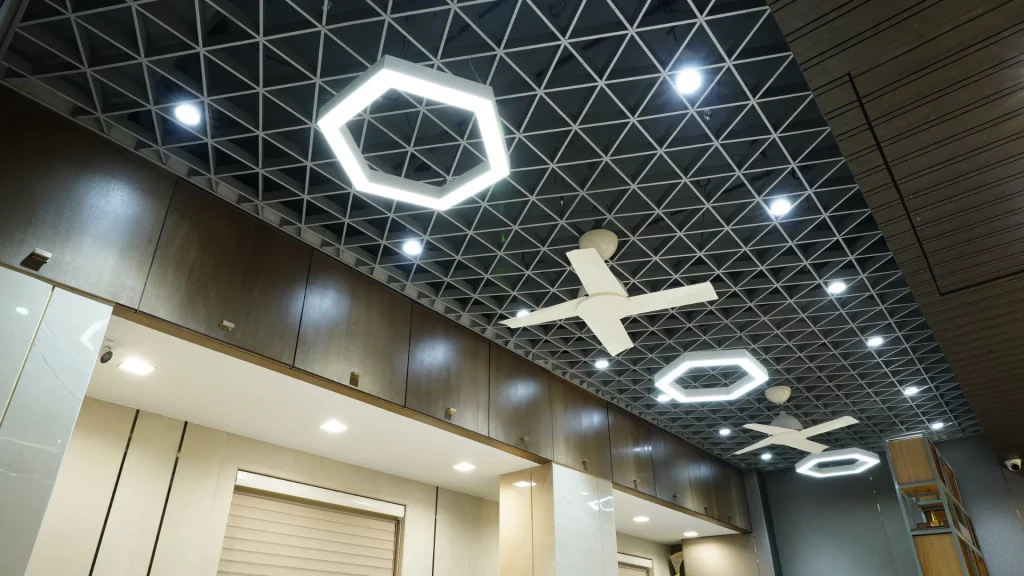
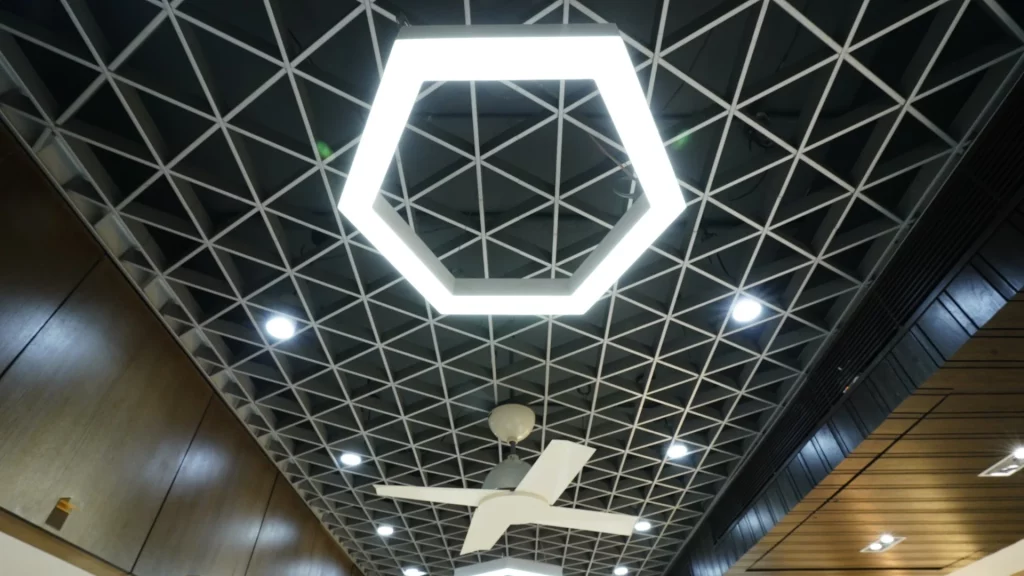
- Lighting Design
- Colour Consultation
- Branding
- Soft Furnishing
- Décor Accessories
We offer a customizable range of services, depending on the project’s scale, complexity, and client needs.
Here’s an expanded and comprehensive list of services we can offer, including niche and specialized areas:
- Bespoke Design Solutions
- Biophilic Design
- Modular and Flexible Design
- Branding and Identity Integration
- Conceptual Design
- Smart Home Integration
- Vastu Consultation
- Art Curation and Installation
- Wellness and Therapeutic Design
- Outdoor and Landscape Integration
- Furniture Layout and Styling
- Lighting Enhancement
- Acoustic Design
- Cultural and Heritage-Inspired Design
- Virtual Interior Design
- Safety and Accessibility Design
- Multifunctional Design
- Space Optimization Designs
Yes, we provide consultations and site visits as part of our services. These steps are essential for understanding the scope of a project and ensuring the design aligns with the client’s vision and the space’s requirements.
- Initial Consultation:
This is usually the first step in working with us. It can happen in person, virtually, or over the phone. The purpose of consultation is to understand the client’s goals, preferences, and discuss the scope of work and expectations to provide an overview of the construction process and services. We cover a base fee, especially for in-depth discussions or professional recommendations. - Site Visits:
Site visits involve us visiting the physical location to assess the space firsthand. Our purpose is to take measurements and inspect the space for layout planning, to Assess Structural Elements, Natural situations of a neighbourhood etc. to Identify challenges if any. These Site visits may be included in our consultation fees or charged separately.
Please connect with our team for the detailed understanding on above.
Choosing the right Architect or designer for your project is a first crucial step in achieving your vision. Here’s a step-by-step guide to help you select the best fit:
- Defining your Needs and Goals, your scope of the Project.
- Review Portfolios and Experience by checking past projects, focus on quality, assess their attention to detail, creativity, and functionality and ensure they have experience with your type of project.
- Schedule Initial consultation to discuss your project.
- Evaluate Credentials
- Understand their Process that how they approach design, from concept to execution. Do they provide mood boards, 3D renderings, or virtual walkthroughs.
- Compare Pricing and Contracts by understanding their fee structure, make sure they are transparent about costs, including design fees, materials, and labour. Carefully read the terms to understand the scope of work, payment terms, and policies on changes or cancellations.
- Visit their past projects as some designers may allow you to visit completed projects or provide detailed case studies. This gives you a real-world look at their work quality and attention to detail.
- Trust Your Instincts as beyond technical skills, choose someone you feel comfortable working with. A successful collaboration relies on trust and effective communication.
- Make Your Decision after meeting designers and comparing their offerings, choose the one who:
– Understands your vision.
– Has relevant experience and style alignment.
– Fits your budget and timeline.
– Communicates clearly and collaborates well.
For our initial consultation, whether via video or in person, clients are welcomed to bring any design preferences, existing plans, or items they like to discuss that suggest their vision and project details.
The timeline for an interior design project varies depending on the scope, complexity, and size of the project. Here’s an overview of the typical stages and estimated durations:
- Initial Consultation
- Concept Development
- Design Development
- Procurement / Contractors management
- Construction
- Installation & Styling
Typical Timelines
For Project sized (e.g., 500 Sq. Ft. – 5000 Sq. Ft. ):
– Timeline: 2 – 10 months.
For Project sized (e.g., 5000 sq. ft. – 25000 Sq. Ft. ):
– Timeline: 10 – 18 months.
For Project sized (e.g., 25000 Sq. Ft. and above )
– Timeline: 18 months and above.
Would you like help estimating a timeline for your specific project? Or tips on speeding up the process? Do connect with us.
Your level of involvement in the interior design and renovation process largely depends on your preferences, and the scope of the project. We aim to tailor collaboration to fit your needs, allowing you to be as hands-on or hands-off approach as you’d like. Here’s what to expect:
Levels of Client Involvement
- Collaborative Approach
Clients’ Role:
– Provide input on design concepts, style preferences, and functional needs.
– Approve materials, furniture, layouts, and budgets.
– Actively participate in decision-making and product selection.
– Oversee execution aspects of the project
– Communicate frequently with the designer and contractors.
– Attend regular meetings or check-ins to review progress.
Designer’s Role:
– Present ideas, guide decisions, and handle technical part of the execution.
– Act as the main point of contact for contractors and vendors.
– Provide guidance and assist with tasks clients cannot manage alone.
Ideal For: Clients who want to be involved and enjoy the process but rely on the designer’s expertise for execution. - Hands-Off Approach
Clients’ Role:
– Share initial preferences, budget, and goals.
– Approve the final design plan and key decisions.
Designer’s Role:
– Handle all details, from Space planning, design to project management and implementation.
– Procuring materials and coordinating deliveries.
– Managing contractors and ensuring timelines are met.
– Problem-solving during construction or installation.
– Keep you updated with progress reports and seek input only when necessary.
Ideal For: Busy clients or those who trust the designer to take full control and allow the designer to have full creative freedom with minimal input and/on pre-finalised budgets.
Would you like tips on how to effectively communicate with your designer or manage a specific level of involvement?
We work on a variety of projects that involve designing and enhancing indoor spaces to make them functional, aesthetically pleasing, and aligned with the needs and preferences of the clients.
Our designs are focussed based on Architectural Style and Regional influence, for instance Traditional, Modern, Japanese, Rustic, Scandinavian, Mediterranean, Transitional, Cultural,
Here are the types of projects we love to design:
- Residential Projects
– Apartments/Flats: We maximizing functionality and style within confined spaces.
– Condos: We balance personal design preferences with building regulations.
– Townhouses: We design multi-floor units with shared walls with distinct layouts.
– Villas: Luxurious homes with spacious interiors and outdoor areas.
– Penthouses: High-end apartments often located on the top floor with premium materials and custom designs.
– Studio Apartments: Designing compact, multi-functional spaces in open-plan layouts. - Commercial Projects
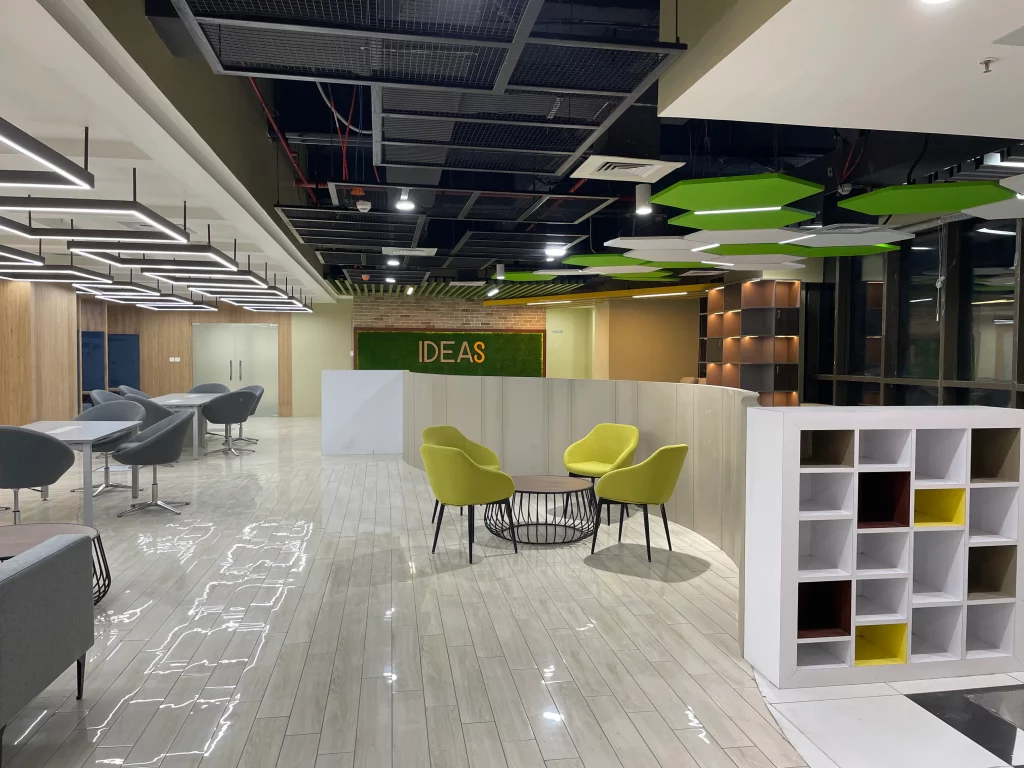
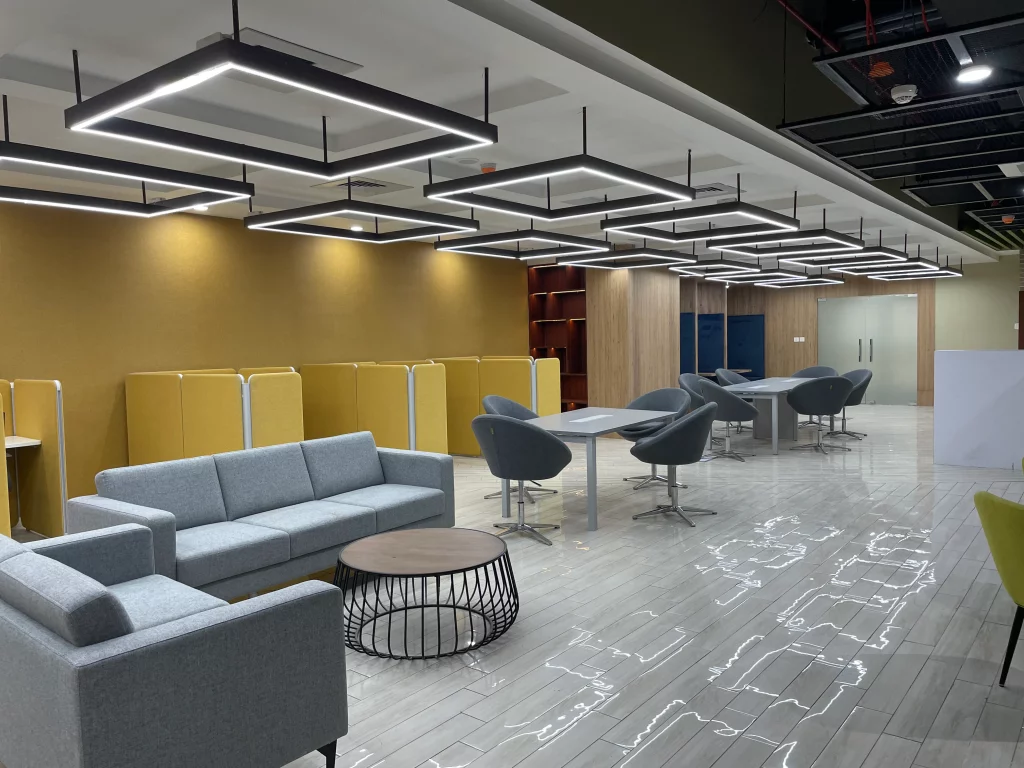
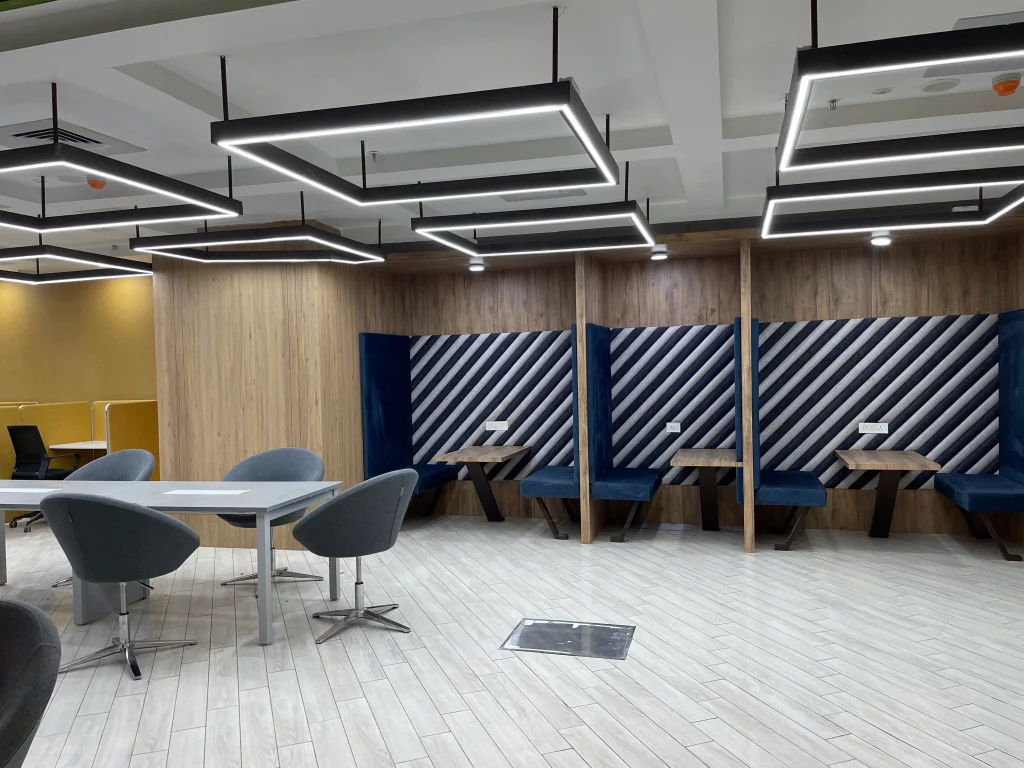
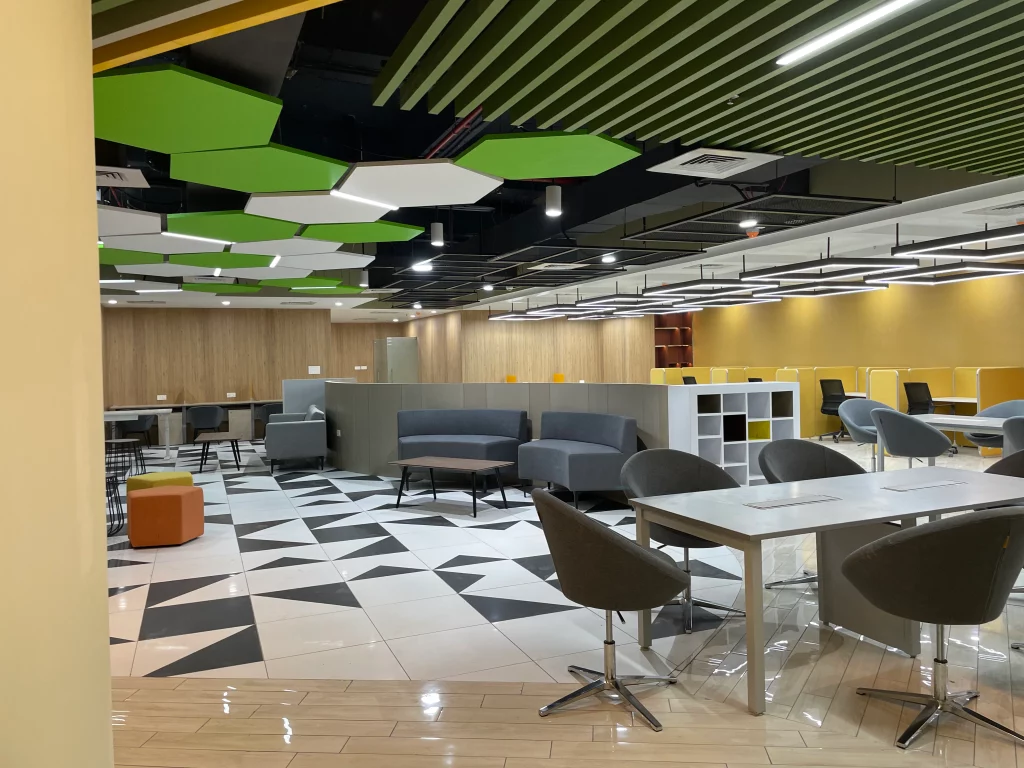
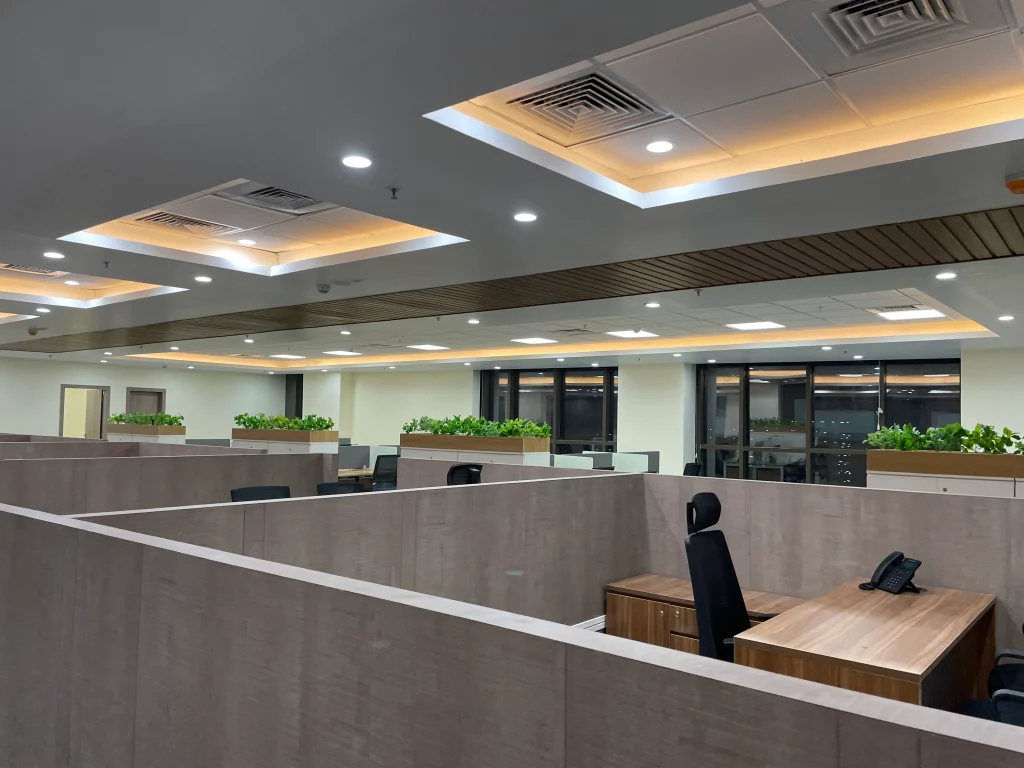
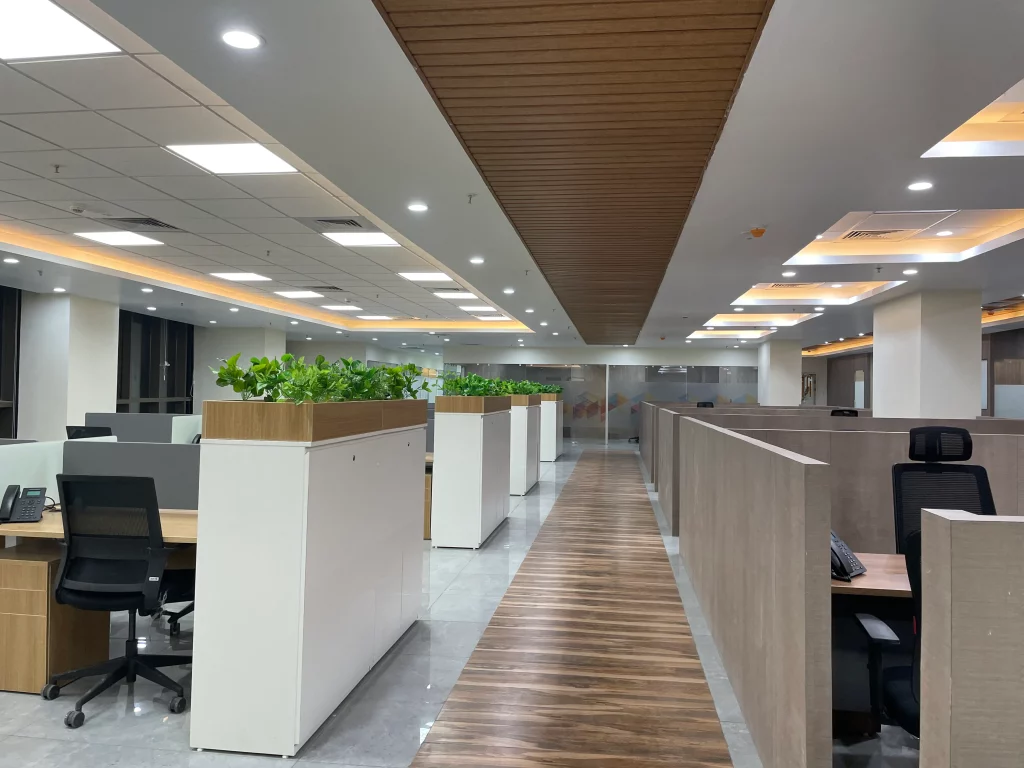
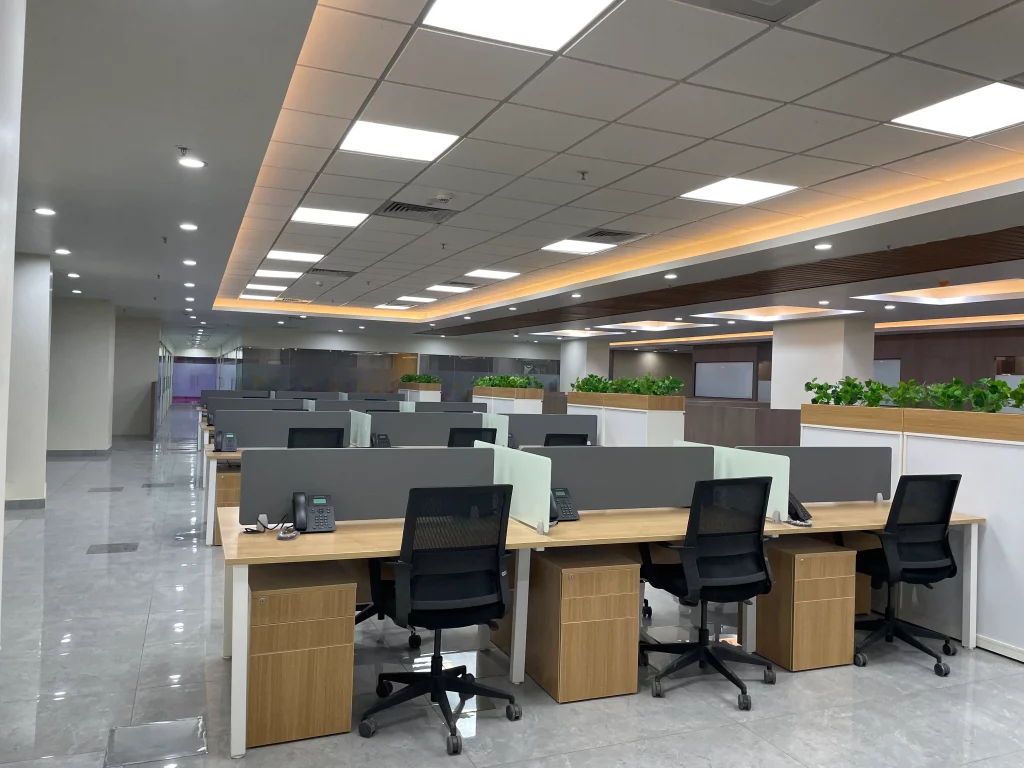
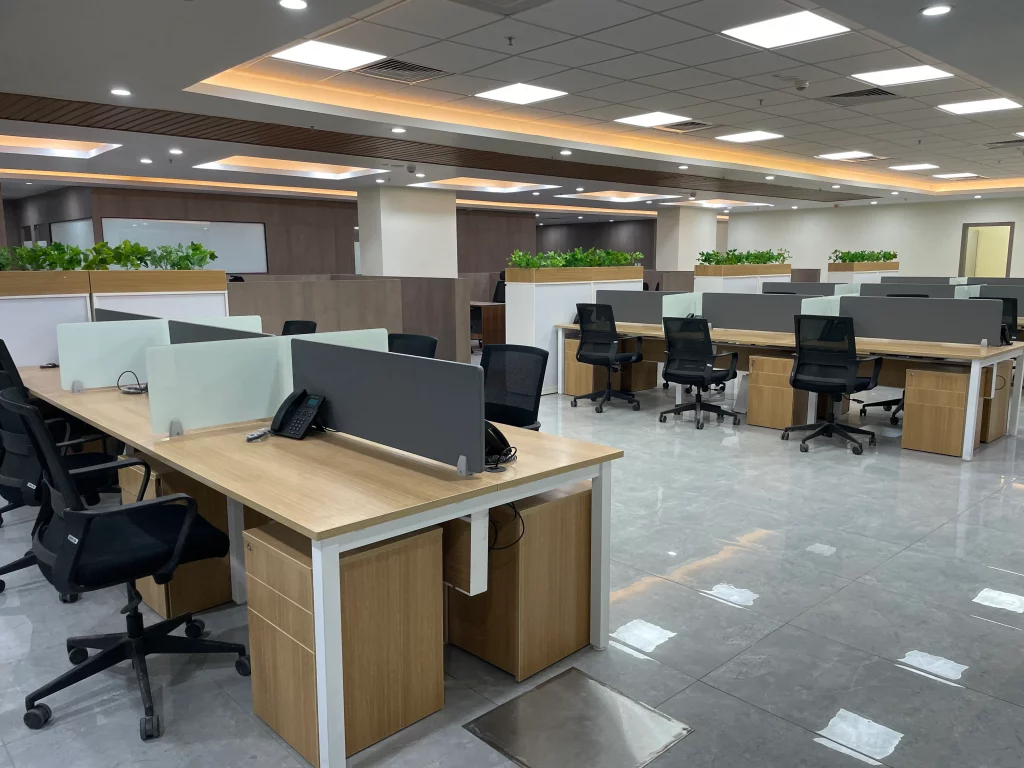
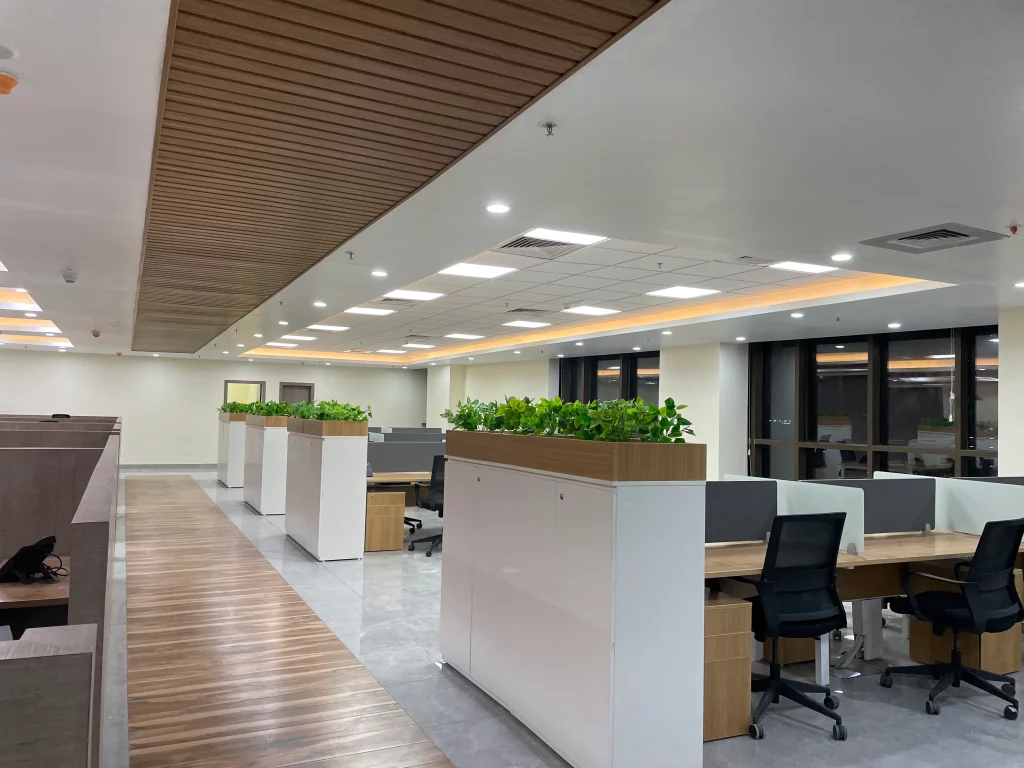
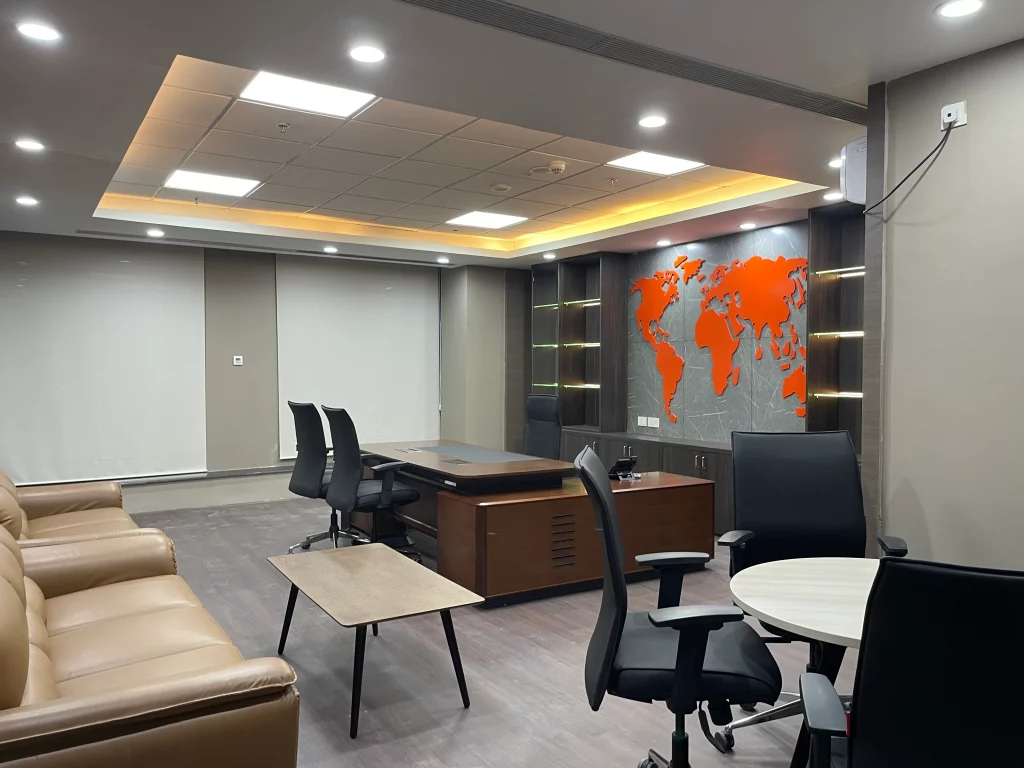
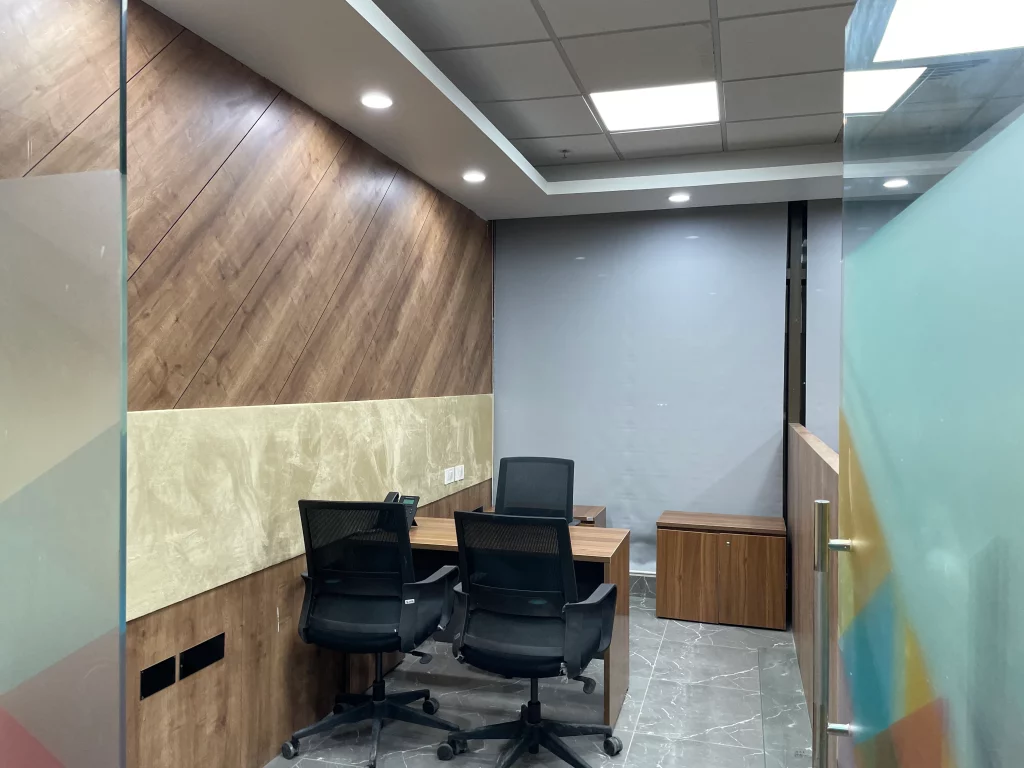
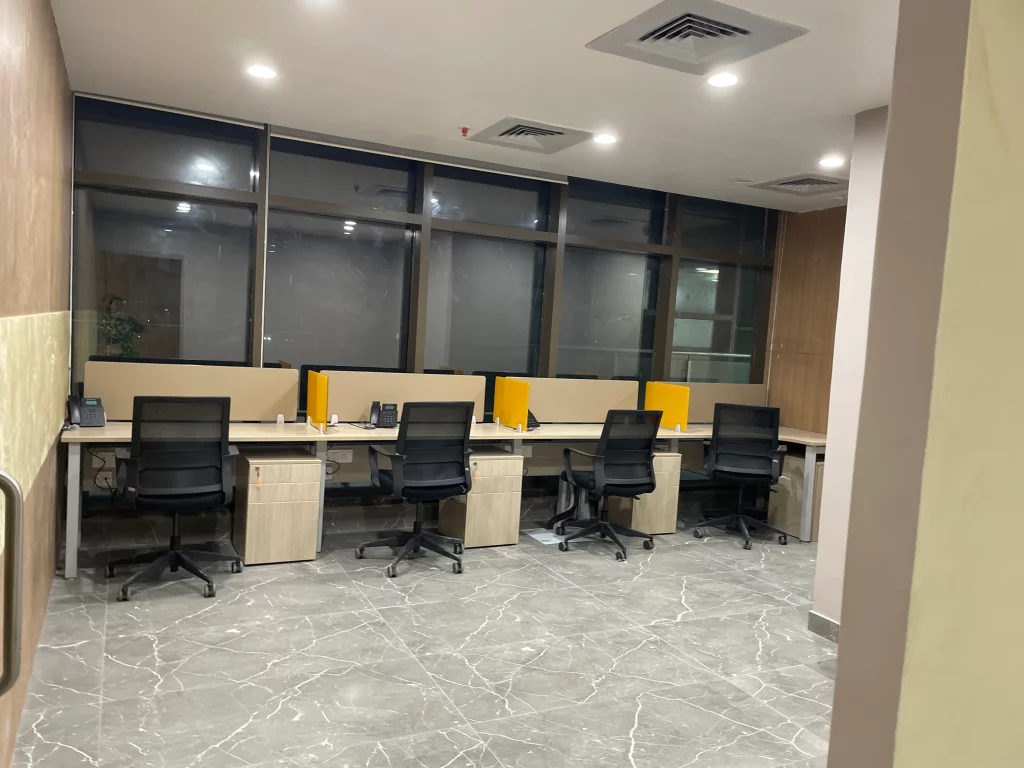
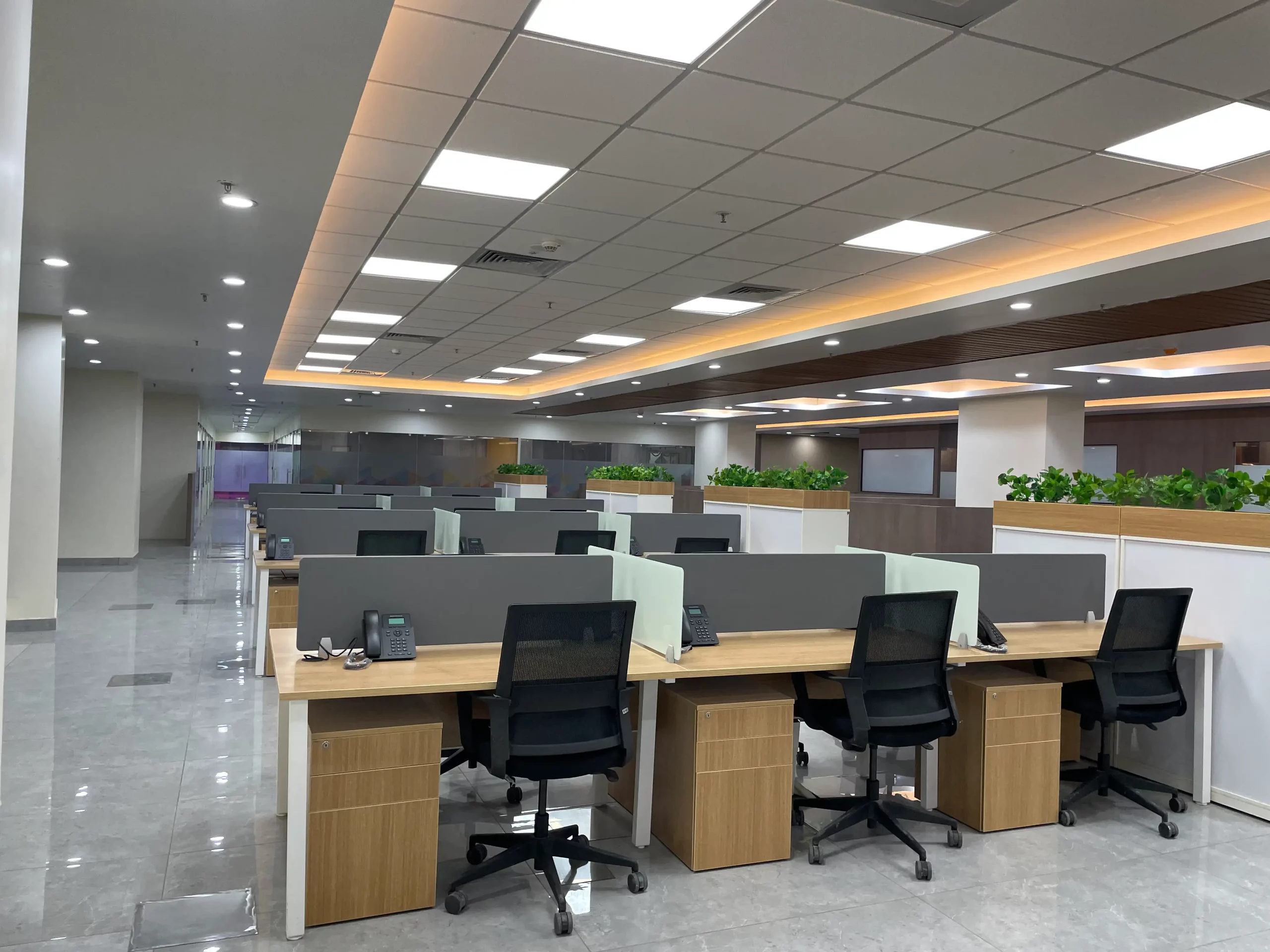
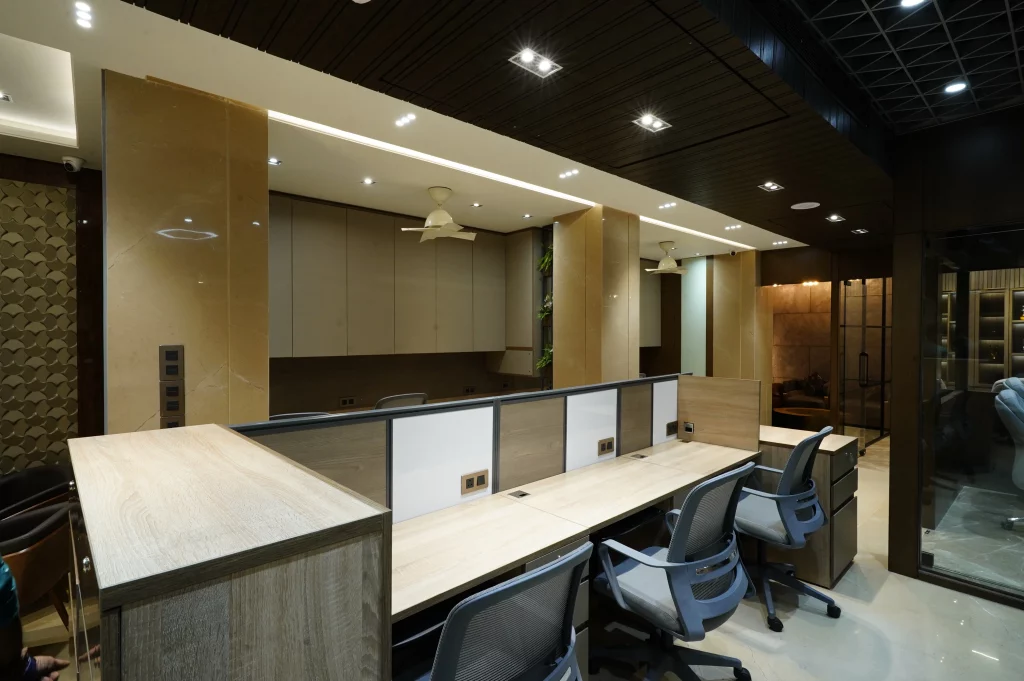
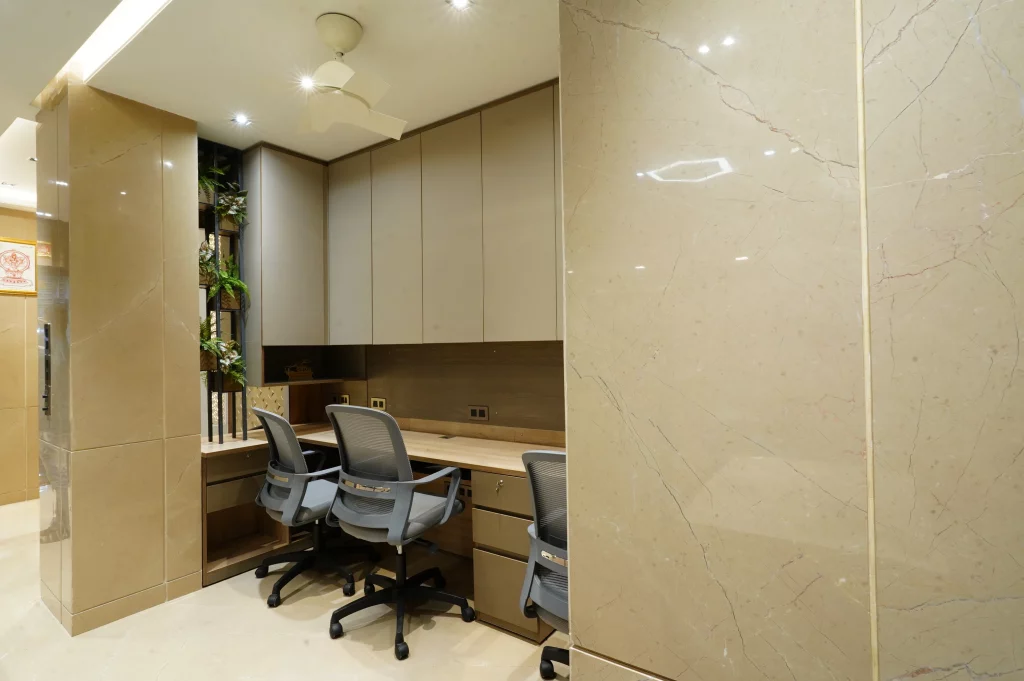
– Office Spaces: We design functional and inspiring work environments, including co-working spaces and corporate offices.
– Hybrid Workspaces: Combining living, working, and leisure areas into one cohesive design.
– Retail Stores: We creating brand-aligned interiors for shops, showrooms, and boutiques.
– Hospitality: We designing interiors for hotels, resorts, restaurants, cafes, and bars to enhance guest experiences in coordination with keeping the entire vision of the space, which includes culinary, cultural themes, specialised menu, stationary, artifacts, soft furnishings. - Healthcare and Wellness Projects
– Specialized Clinics: Designing interiors for dental offices, dermatology clinics, physiotherapy centres, etc.
– Spas and Salons: We create relaxing and luxurious environments for beauty and wellness treatments.
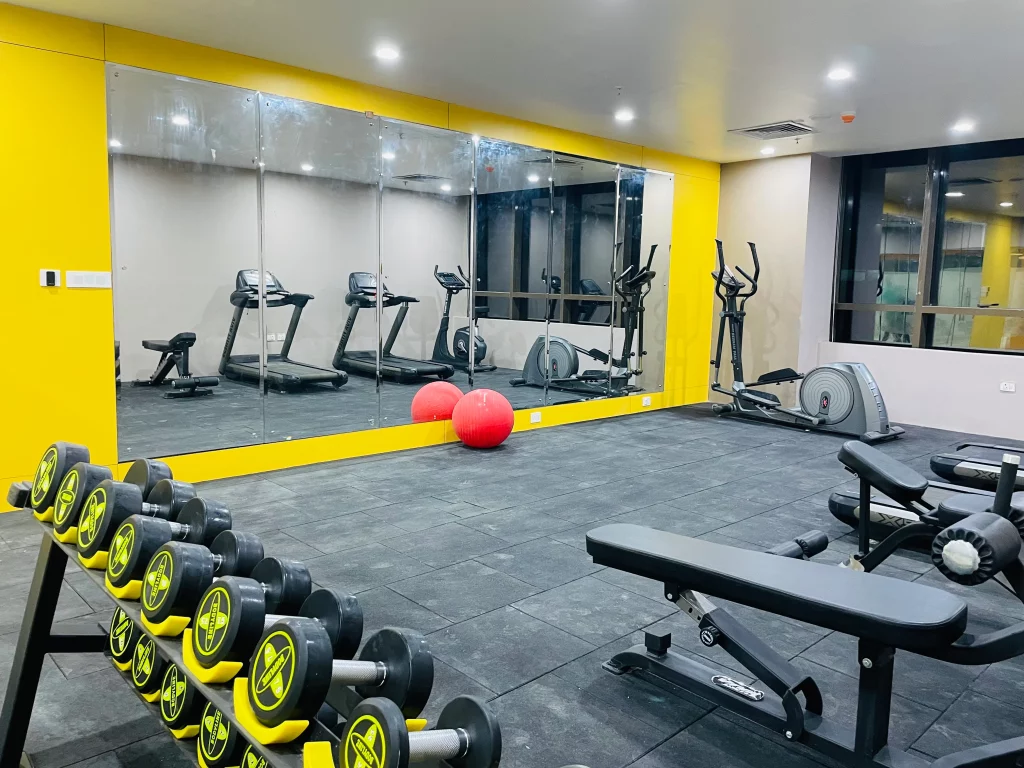
– Fitness Centres: Designing gyms, yoga studios, or personal training facilities with functional and motivating layouts. - Institutional Projects
– Educational Institutions: We design interiors for schools, colleges, and training centres with a focus on learning environments.
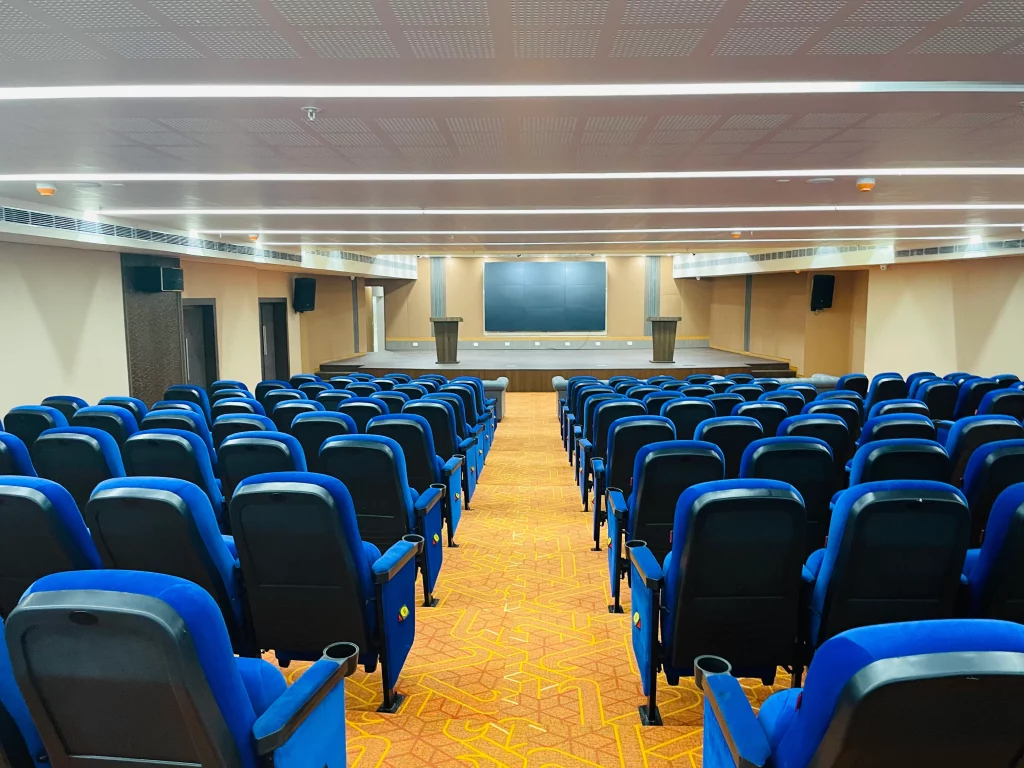
– Cultural Spaces: We work on museums, art galleries, libraries, and theatres. - Specialized Spaces
– Exhibition Design: Creating spaces for trade shows, art exhibits, or product showcases.
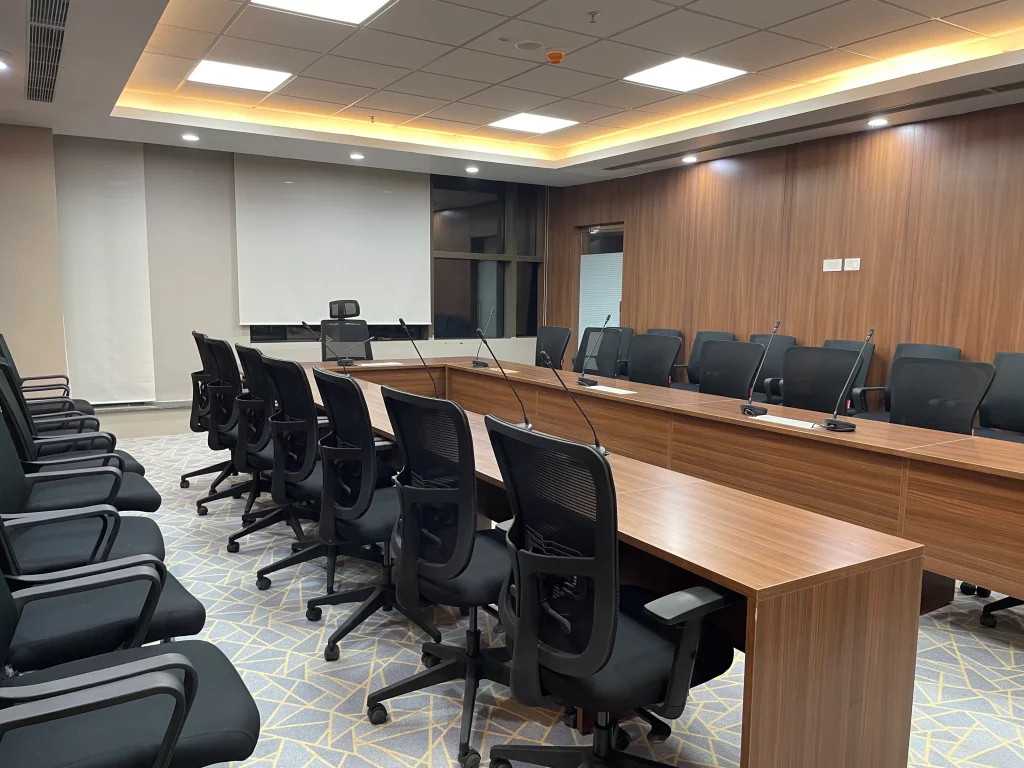
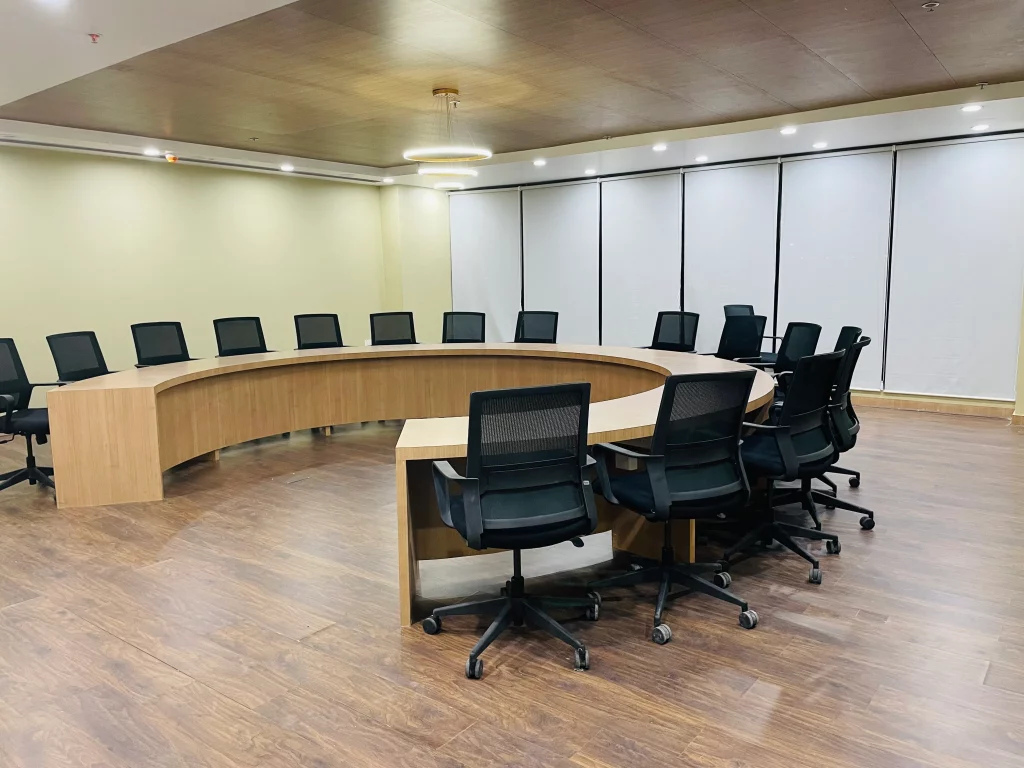
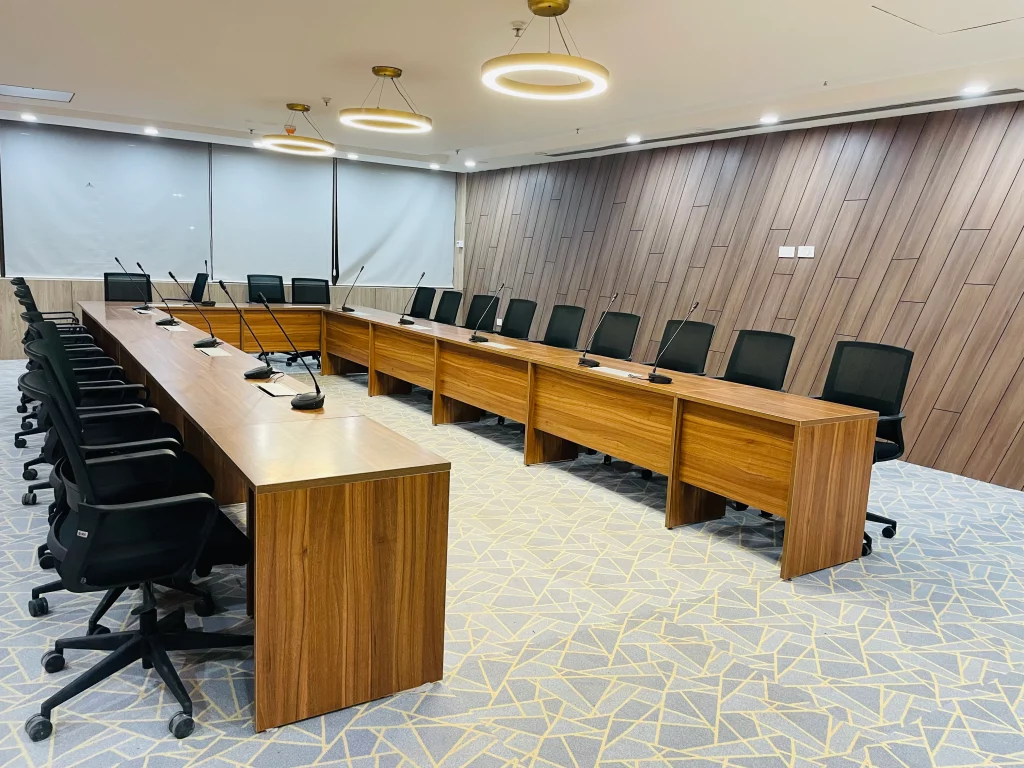
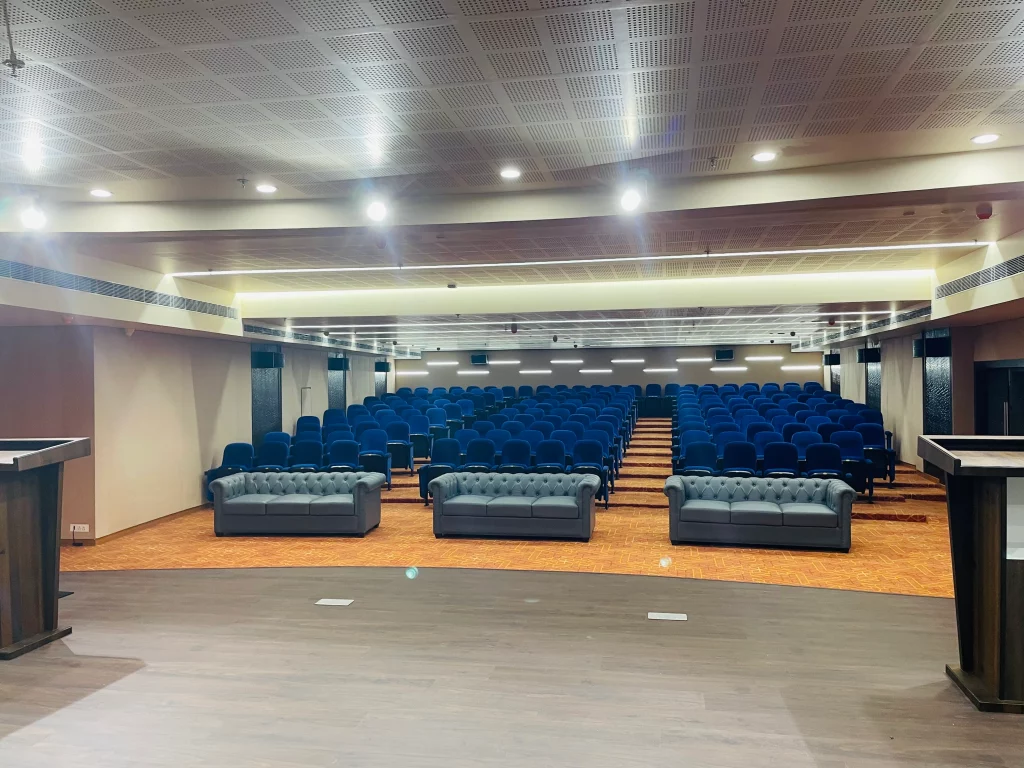
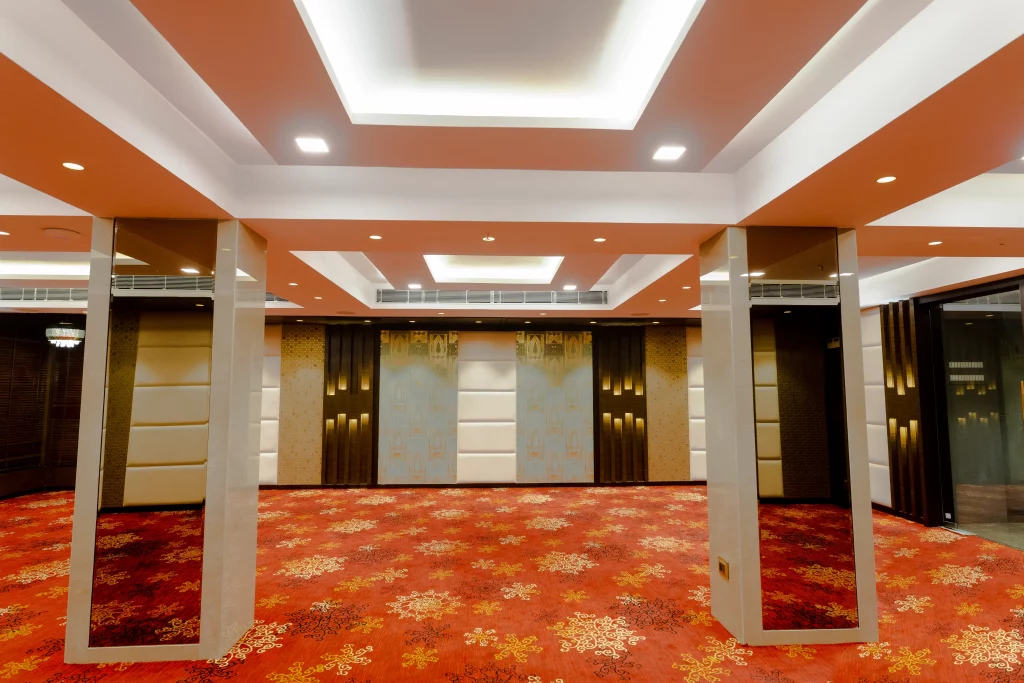
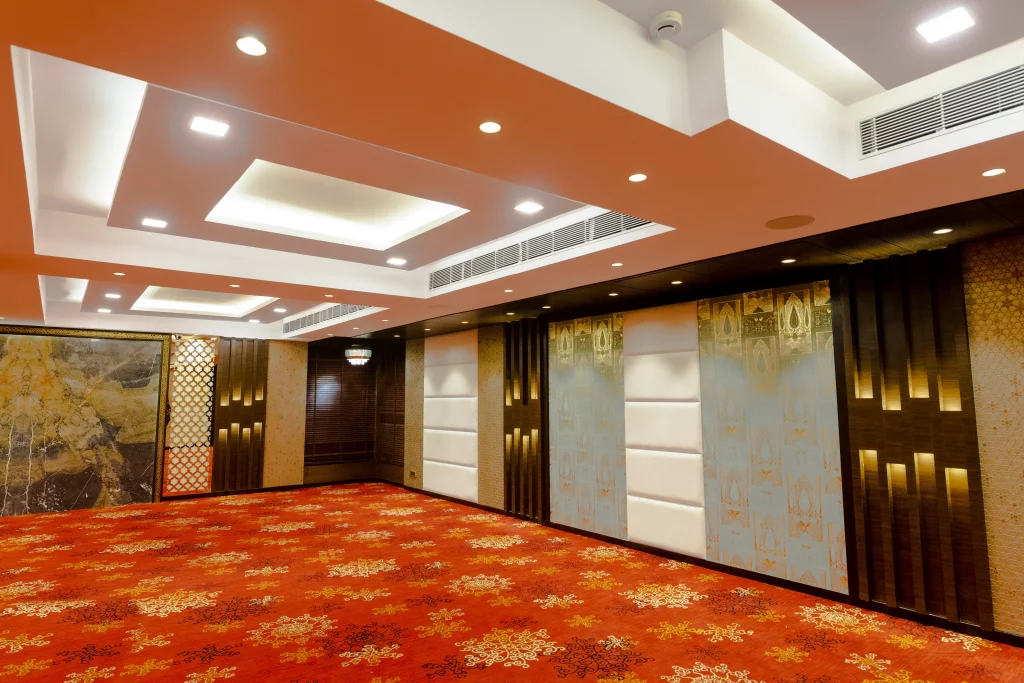
– Event Venues: Designing multi-functional interiors for banquet halls, wedding venues, and conference centres.
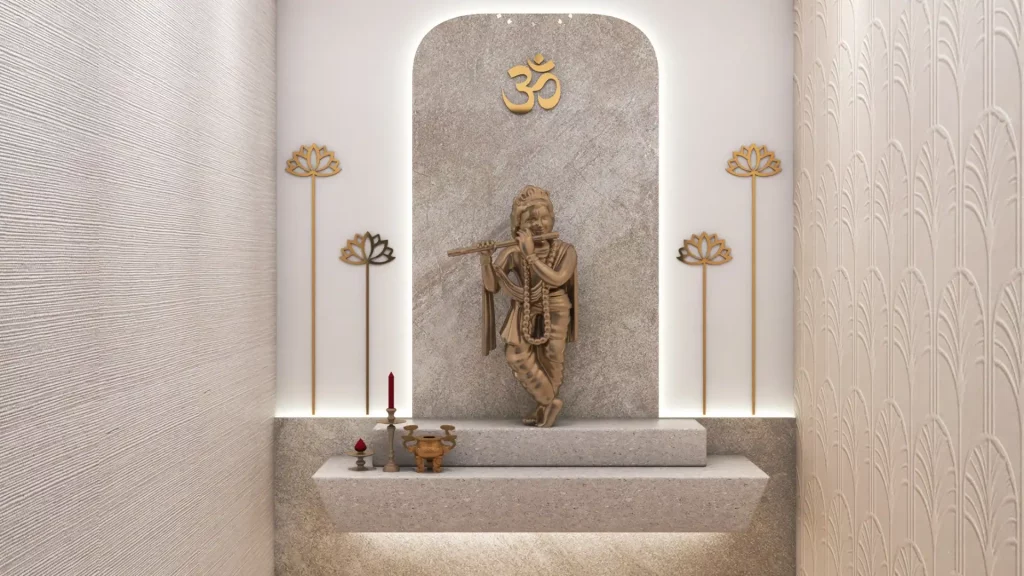
– Spiritual Spaces: Interiors for temples, or meditation centres. - Remodelling
– Converting old or historic buildings into modern functional spaces while preserving their character. - Custom Projects
– Tailored designs for yachts, private jets, or other exclusive ideas. - Outdoor Living Spaces
– Patios and Decks: Designing stylish and functional outdoor lounging or dining areas.
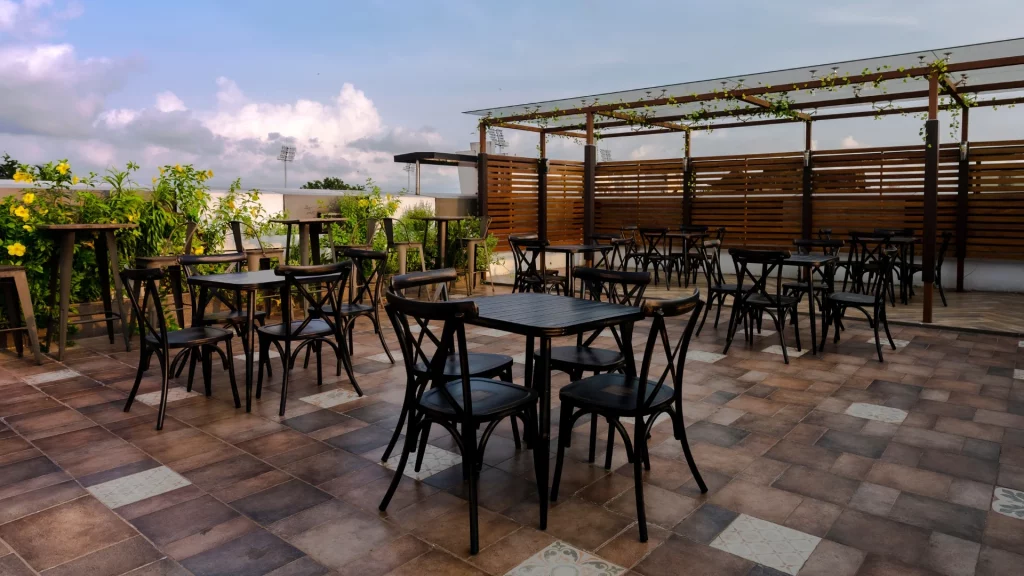
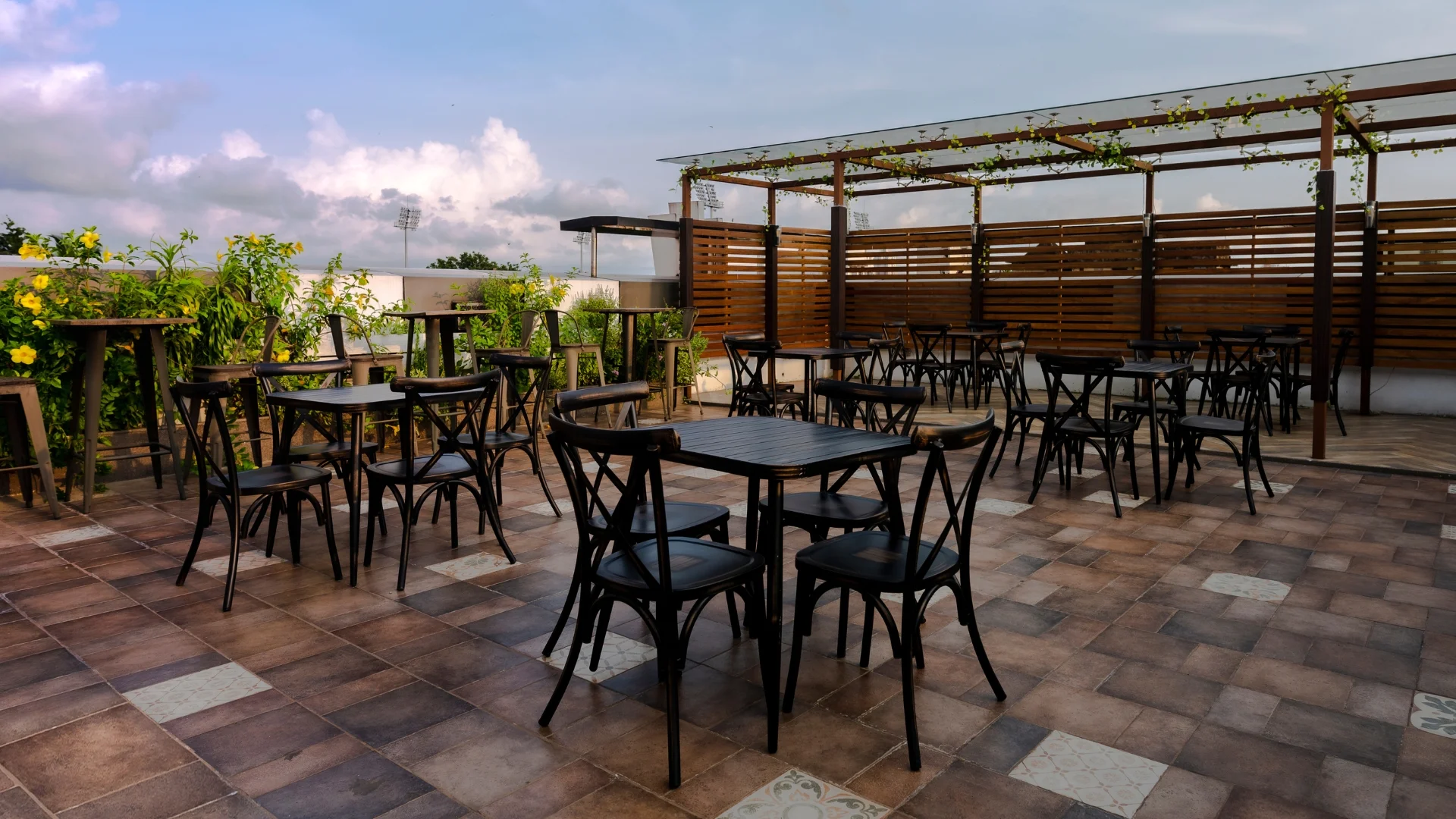
– Rooftop Terraces: Transforming rooftops into urban retreats with seating, lighting, and landscaping.
– Poolside Designs: Coordinating furniture, lighting, and amenities around pools for a cohesive look. - Themed and Experiential Spaces
– Amusement Parks: Designing thematic interiors for rides, restaurants, and shops.
– Escape Rooms: Creating immersive, puzzle-solving environments tailored to specific themes. - Luxury Design Projects
– High-End Retail Boutiques: Combining opulence with functionality for luxury goods stores.
– Private Clubs: Designing exclusive members-only spaces such as lounges, cigar bars, or golf clubs. - Transport-Oriented Spaces
– Airport Lounges: Designing comfortable and upscale waiting areas.
– Public Transport Stations: Enhancing functionality and aesthetics in metro stations, bus terminals, or train stations. - Custom Furniture and Art Installations
– Bespoke Solutions: Designing and commissioning custom furniture, lighting, or art pieces to align with the interior theme.
– Interactive Features: Integrating kinetic sculptures, light installations, or interactive design elements.
We tailor our approaches to the specific needs, constraints, and aspirations of our clients, ensuring each project is unique.
We collaborate with architects, contractors, and other professionals to bring these projects to life. We consider factors like space planning, colour schemes, lighting, furniture, and materials to achieve a cohesive and impactful design.
In essence, the variety of type projects is vast, and each type can be further customized to suit individual needs and preferences. The focus remains on creating spaces that are functional, comfortable, and reflective of the client’s lifestyle.
We manage the entire project when our scope of work includes project management and execution. We offer comprehensive services that go beyond designing spaces and include overseeing the entire process to ensure the project is executed seamlessly. Here’s how we manage a project from start to finish:
- Initial Consultation and Planning
– Client Meetings: Understanding the client’s vision, lifestyle, preferences, and budget.
– Concept Development: Presenting design concepts, mood boards, and initial layouts for approval.
– Feasibility Studies: Assessing the project’s scope, timeline, and costs. - Design and Documentation
– Space Planning: Creating detailed layouts and floor plans.
– 3D Visualizations: Providing realistic renderings or models to help clients visualize the final design.
– Technical Drawings: Preparing construction documents, and all detailed elevational and sectional drawings to help contractors and workers to have in depth understand of the requirements and to execute the designs as per given measurements and scope. These set of drawings include multiple elevations, for instance, civil, electrical, plumbing, and carpentry details. To have clear understanding, you can request for the detailed drawings list, we would be happy to forward you the details. - Budgeting and Procurement
– Cost Estimation: Providing detailed cost breakdowns for the turnkey project.
– Vendor Coordination: Sourcing materials, furnishings, and decor from suppliers. - Contractor and Team Coordination
– Hiring Professionals: Recommending and coordinating with architects, contractors, electricians, plumbers, and other specialists.
– Scheduling: Developing a project timeline and ensuring all parties adhere to deadlines.
– Quality Control: Supervising construction and installation to ensure it aligns with the design vision. - On-Site Supervision
– Site Visits: Regularly visiting the site to monitor progress and address any issues.
– Challenge-Solving: Managing unexpected challenges or delays during construction.
– Communication: Acting as the main point of contact between the client and all parties involved. - Final Installation and Styling
– Furniture Placement: Ensuring furniture and decor are arranged according to the design plan.
– Decor and Styling: Adding final touches, including artwork, rugs, and accessories.
– Walkthroughs: Conducting a final walkthrough with the client to ensure satisfaction. - Post-Completion Support
– Warranty Management: Addressing challenges related to installed materials or furnishings.
– Maintenance Guidance: Advising clients on how to care for materials and finishes.
The duration of an interior design project varies based on its size, complexity, and scope of works. Key factors that determine the duration of the project are:p>
- Concepts and Drawings: It is important to freeze the concepts and drawings for the smooth workings of site, in case of delays in approvals or changes to the design can extend timelines.
- Supply Chain: All Custom material orders, imported materials as per the scope needed to be ordered in first place for the timely deliveries.
- Contractors: All levels of contractors scope of works and regular payments are important. Any change in scope amounts to rework and extends timeline.
- Project Management: Coordination between multiple vendors and contractors plays a crucial role. If no proper guidance come forth , there are possible chances of delays.
- Permits & Inspections: Time is taken for obtaining and complying with local regulations.
As a firm, our personal Involvement goes beyond the Basics:
– Tailored Solutions: We customize pieces or layouts to maximize functionality and aesthetics.
– Emotional Connection: We go the extra mile to understand the client’s lifestyle, ensuring the space feels personal and liveable.
– End-to-End Ownership: We take responsibility for every aspect for our full time projects, reducing the client’s hassle and ensuring high standards.
After the initial consultation, the next steps typically involve reviewing the project scope, discussing design concepts and budget considerations, and outlining a proposed timeline. We’ll collaborate to finalize a design agreement and begin the detailed planning and implementation phases of your project post consultation. Here’s how we manage a full-time project from start to finish:
- Initial Consultation and Planning
– Client Meetings: Understanding the client’s vision, lifestyle, preferences, and budget.
– Concept Development: Presenting design concepts, mood boards, and initial layouts for approval.
– Feasibility Studies: Assessing the project’s scope, timeline, and costs. - Design and Documentation
– Space Planning: Creating detailed layouts and floor plans.
– 3D Visualizations: Providing realistic renderings or models to help clients visualize the final design.
– Technical Drawings: Preparing construction documents, and all detailed elevational and sectional drawings to help contractors and workers to have in depth understand of the requirements and to execute the designs as per given measurements and scope. These set of drawings include multiple elevations, for instance, civil, electrical, plumbing, and carpentry details. To have clear understanding, you can request for the detailed drawings list, we would be happy to forward you the details. - Budgeting and Procurement
– Cost Estimation: Providing detailed cost breakdowns for the turnkey project.
– Vendor Coordination: Sourcing materials, furnishings, and decor from suppliers. - Contractor and Team Coordination
– Hiring Professionals: Recommending and coordinating with architects, contractors, electricians, plumbers, and other specialists.
– Scheduling: Developing a project timeline and ensuring all parties adhere to deadlines.
– Quality Control: Supervising construction and installation to ensure it aligns with the design vision. - On-Site Supervision
– Site Visits: Regularly visiting the site to monitor progress and address any issues.
– Challenge-Solving: Managing unexpected challenges or delays during construction.
– Communication: Acting as the main point of contact between the client and all parties involved. - Final Installation and Styling
– Furniture Placement: Ensuring furniture and decor are arranged according to the design plan.
– Decor and Styling: Adding final touches, including artwork, rugs, and accessories.
– Walkthroughs: Conducting a final walkthrough with the client to ensure satisfaction. - Post-Completion Support
– Warranty Management: Addressing challenges related to installed materials or furnishings.
– Maintenance Guidance: Advising clients on how to care for materials and finishes.
We offer initial consultations, which gives us insight on the priority of the project, project scope and the design preferences, at this stage we give you an idea when can we begin your project and the expected handover.
Yes, scheduling a virtual consultation with us is convenient. We offer virtual consultations to accommodate clients’ schedules and geographical locations. Here’s how the process typically works:
- Reach Out to Us:
– Visit our website or social media profiles (e.g., Instagram for Elyzium Interior Architects).
– Use the “Contact Us” form, email, or direct messaging to inquire about a consultation. - Share Your Requirements:
– Provide basic information like the type of space (residential, commercial), size, and design goals.
– We may ask for photos, videos, or a floor plan of the space for better preparation. - Schedule the Meeting:
– After choosing a convenient date and time, we use scheduling tools or platforms like Zoom, or Google Meet.
– Post confirming the consultation fee, if applicable we conduct the virtual meet. - Prepare for the Meeting:
– Have your questions, inspiration images, and any relevant documents ready.
– Test your internet connection and device setup for smooth communication. - What to Expect During a Virtual Consultation:
– Design Discussion about your vision, needs, and preferences.
– Expert Advice on layout suggestions, and initial design ideas.
– We may outline the project timeline, estimated costs, and deliverables.
Yes, we can provide references upon request. These testimonials reflect the satisfaction of previous clients and their experiences working with us on their design projects.
We ensure confidentiality and privacy of client information by implementing strict protocols and agreements with all parties involved in the project. This includes secure handling of documents and communication, as well as respecting client preferences regarding privacy throughout the design process.
Yes, we with selection and coordinating with contractors or subcontractors as part of our full-service offerings, our role is not just to design the space but also to ensure the vision is executed smoothly, which often requires coordinating with various professionals. Here’s how we assist in the process:
– Trusted Network of Contractors and Subcontractors
– We vet these professionals for quality of work, reliability, and experience, ensuring you get the best service.
– Depending on the project’s needs, we bring in the Specialized Experts as per the project needs.
– We handle the coordination of project timelines, ensuring that contractors work in the right order and the project stays on schedule.
– We act as the point of contact between the client and the contractors, reducing the stress of communication. We ensures the contractors understand the design vision and how to implement it.
– We inspect the work at various stages to ensure that it meets the agreed-upon standards and design intent.
– We help track expenses and ensure contractors stick to the budget by providing clear, upfront cost estimates and keeping the project on track financially.
– If issues arise during the construction phase (e.g., unexpected structural problems), we help find creative solutions that align with the overall design.
– Since we understands the full scope of the project, we ensure that contractors’ work aligns with the original design, from finishes to construction methods.
– We ensure that the finer details, such as trims, fixtures, and materials, are installed according to the design specifications.
– As a part of our full service offerings, we manage contractor invoices and payments, ensuring that contractors are paid as work progresses and according to agreements.
– After contractors finish their work, we perform a final walk-through to make sure everything is up to standard and addresses any remaining issues before the project is officially completed.
As experienced designers we bring specialized knowledge about construction methods and design implementation, which helps avoid mistakes or delays. Clients may handle the logistical side of the project, allowing clients to focus on the bigger picture and save time.
The payment terms and methods accepted vary depending on the project scope and agreement. Typically, we discuss payment terms during the initial consultation and accept payments via bank transfer.
We handle client feedback and revisions by actively listening to their inputs and ensuring it aligns with the project vision. We incorporate valuable feedbacks into the design and execution process within our possibility, we definitely bear in mind the revisions and feedbacks for future inclusions and do the needful as we truly value clients’ honest and genuine feedbacks and we are grateful.
Yes, I provide consultations and design advice for smaller projects as well as larger ones. Whether you need guidance on a single room or a specific design element, I offer tailored services to meet your needs.
Here’s what clients can typically expect:
- Regular Updates
– Weekly or bi-monthly (depending on the scope and urgency of the project) updates on progress, challenges, and milestones.
– Photos, videos to visualize the work as it develops. - Transparent Timelines
– A detailed project schedule shared upfront, with notifications about any changes.
– Clear deadlines for client approvals to keep things moving smoothly. - Accessible Channels
– Communication through preferred channels like email, phone, or WhatsApp.
– Availability for quick updates or to address urgent concerns. - Decision Points
– Timely consultations for material selections, design adjustments, or budget approvals.
– Clear deadlines to ensure decisions don’t delay the project.
We recommend reputable suppliers or vendors, Here’s how we approach it:
We do share our Curated list of trusted suppliers for the construction and design materials, Include suppliers known for quality, customer service, and timely delivery. We suggest vendors based on the client’s style preferences (e.g., modern, vintage, sustainable) and our recommend suppliers that align with the project’s budget and timeline. We value partnerships to provide clients with exclusive access and discounts, we extend our relationships with local artisans for custom, unique pieces. We choose vendors with a track record of quality reliability and a solid testimony.
Handling disagreements or disputes during a project is crucial for maintaining professionalism and ensuring client satisfaction. Here’s how we approach this:
- We start with Clear Communication, we outline the scope, timeline, and responsibilities early through our clearly documented scope of work.
We do Establish regular check-ins to keep everyone aligned and address concerns proactively. - We actively Hear the client’s concerns without interruption and Show empathy and understanding to make them feel valued.
- We Identify the root cause of the disagreement with our Solution-finding approach and offer solutions that fits all without feeling left-out.
- We Keep a record of all changes, approvals, and communications to refer back to agreements if needed.
- Warranty Support: Many construction and interior materials come with warranties for their workmanship. After-service involves honouring these warranties and providing necessary support if issues covered by the warranty arise within the specified time frame.
- Guidance: We provide clients with guidance on the use and maintenance of specific features or systems within the constructed or designed space. This helps clients’ to understand how to care and maximize the lifespan of various elements.
- Documentation and Technical Drawings: We provide clients with all detailed drawings in respect to their site and relevant documentation as part of our after-service. These documents could be useful for future renovations, expansions, or maintenance work.
- Additional Services: Clients may require additional services after the project is completed, such as modifications, expansions, or the addition of new features. After-service involves addressing these requests and ensuring that they align with the original design and construction intent.
- Communication and Follow-Up: We keep open lines of communication with our clients during the after-service phase. Any outstanding concerns are addressed.
- Maintenance Plans: At present, we do not offer any AMC plans, we do address specific requirements when needed, we refer to the right companies who offer varied maintenance services.
- Emergency Repairs: In the case of unexpected issues or emergencies, after-service may involve providing swift support and solutions to address urgent problems, such as leaks, electrical issues, or other unforeseen issues.
Yes, this collaborative approach often enhances the design process, making it more engaging and tailored to the client’s preferences. It helps in Immediate Input where the client provides instant feedback on choices ensuring selections align with their vision.
The designer offers professional advice, steering the client toward choices that maintain the integrity of the design concept. There is an Efficient Decision-Making while the client can set clear spending boundaries while the designer ensures quality within that range.
A good designer will appreciate your involvement in the design & execution process, but we may also have reasons for recommending specific pieces (e.g., quality, durability, scale, or design cohesion). Here’s how you can view the situation:
Do Share the product pictures and/or specifications with us and understand if the item fits well within the overall design scheme. Do Ask for the Feedback in terms of style, scale, and quality. Sometimes, we specify higher-priced items because of superior craftsmanship or materials that may not be immediately visible in photos (e.g., longevity, comfort, or finish).
If you prefer to do most of the work yourself but need an overall plan, that’s a great option to be in touch with your creative side of personality while still getting professional guidance. This approach is often referred to as a “design consultation” and we offer packages tailored specifically for this type of service. In this scenario, we would provide you with a comprehensive plan that you can follow on your own, which typically includes:
- Space Planning and Layouts
A detailed floor plan showing the best layout for your space, including where furniture should be placed and how to maximize the flow of the space. - Design Concept and Mood Board
3D visualisations or A mood board or concept board that visually represents the design direction for your space. This includes color schemes, materials, textures, and overall aesthetics (e.g., modern, traditional, neo-classic).
The board may include images of furniture, fabrics, and decor pieces that fit within the desired style, which you can then source on your own.
We will provide suggestions for furniture, lighting, and decor that fit within the style and layout of the space. This may include specific product recommendations, or general guidance on the pricing to look for. - Material and Finish Selections
If you’re renovating or updating surfaces, we will suggest materials and finishes for things like flooring, wall treatments, cabinetry, or countertops.
We may provide you with swatches or guidance on where to source these materials, including quality considerations for long-lasting durability. - Detailed Technical drawings
Technical detailed drawings are highly accurate, scaled representations of the design, showing everything from construction details to furniture layout, material specifications, and lighting placement. These drawings are typically created in CAD (Computer-Aided Design) software.
Types of Technical Drawings:
A. Site Plans
B. Structural Plans
C. Roof & Facade Plans
D. Floor Plans
E. Elevations
F. Sections
G. Detail in-depth views of small areas or custom elements Drawings
H. Electrical and Lighting Plans
I. Plumbing and HVAC Plans
J. Furniture & Fixtures Specifications
K. Reflected Ceiling Plans (RCP)
These drawings provide clear and accurate instructions for contractors, sub-contractors, and construction teams. - Decor Styling Tips
Guidance on how to style the space once everything is in place, including tips for arranging accessories, art, plants, and personal touches to give your space a curated, designed feel.
Clear and effective communication is key to the success of any Exterior & Interior design project, especially when working on a custom, sustainable, or specific theme based design. You can expect a range of communication like a mail, phone call or Instant messaging throughout the course of your project, which should help ensure everything is progressing according to plan, and that you’re always in the loop regarding decisions, timelines, and potential adjustments.
Elyzium’s Diverse Clientele, Including Individuals & Corporate Sectors, are Testament to Our Ability to Response to Ever Evolving Field of Architectural Landscape. From Designing, Conceptualization and Executing Spaces, Elyzium Interior Architects Comprehensive Project Management Services Encompass Fine Detailing and Finishing to the Core. We Deliver Complete Design & Project Management Packages.
We Undertake Exterior & Interior Design Services For Commercial Segments Like Showrooms, Retail Stores, Healthcare, Banks, Hospitality, Recreation Centres, Public Buildings, Parks, Religious Temples, Offices, IT Sectors, Hotels And Residential Segments Like Individual Houses & Bungalows, Private Apartments, Pent Houses, Serviced Apartments.
We Include Manufacturing, Supply, And Installation. As A Dedicated Team Of Architects & Designers, We Are Committed To Provide Our Clients With Consistent And Quality Services And We Continuously Strive To Improve Our Processes Through Our Clients’ Inputs, Workforce Development And Self-Evaluation. With These Commitments We Seek To Develop, Maintain And Enhance Our Recognition In The In The Architectural Service Industry As An Invaluable Partner.
Yes, we collaboration with architects, contractors, and other professionals which we consider an essential need while working in larger projects, this teamwork ensures that projects are completed efficiently, meet technical specifications, and adhere to design aesthetics.
Working with architects allows for cohesive integration of structural and interior elements, while contractors ensure that the design is executed properly within budget and timeline constraints. Additionally, collaborating with specialists such as electricians, furniture designers, and landscape architects can enrich the overall design outcome and provide a more comprehensive service to clients.
Getting with an Exterior & Interior design project involves several important considerations:
- Define Your Goals: Determine what you want to achieve within the space. Consider the purpose, functionality, and overall vibe you are desirous of.
- Set a Budget: Establish a budget that includes all aspects of the project such as materials, labour, and any additional services.
- Gather Inspiration: You may Like specific colour tones, or any particular theme or have any other design ideas.
- Assess the Space: Evaluate the area you plan to design. Take measurements, note existing features, and consider any structural limitations.
- Create a Plan: Develop a design plan that incorporates your ideas, budget, and the assessment of the space. This can include layouts, color schemes, and material selection.
- Research Professionals: If needed, look for interior designers, architects, or contractors who can assist with your project. Review their portfolios and check references.
- Start Sourcing: Once you have a plan, begin sourcing materials that fit your design vision.
- Implement the Design: If you’re doing it yourself, begin executing your plan step by step. If working with professionals, collaborate closely to ensure your vision is realized.
- Evaluate and Adjust: As the project unfolds, be open to making adjustments based on feedback or unforeseen challenges.
- Enjoy Your Space: Once completed, take time to enjoy and appreciate your newly designed space!
Cost
The cost of Exterior & interior design services can vary widely depending on several factors, including the designer’s experience, location, the scope of the project, working team. Approach towards the charges are as follows:
- Flat Fee:
For a larger project, such as designing any space, designers may offer a flat fee. This could be based on the square footage of the space or the complexity of the design. This fee includes either designing charges and/or designing & execution both. - Per Square Foot:
Some designers charge based on the size of the space they’re working on. The higher Space Size go, the Sq. Ft. rates goes down and Vice -Versa. - Design Servies:
Some designers offer packages for specific services, such as 2D layouts, 3D renderings, Detailed Drawings and specific services on Material selection, Color Consultations, or Furniture Selection, Upholstery Selections or a Complete Design Package. - Consultation Fee:
If you’re just looking for advice or direction, many designers offer a consultation service. This could involve reviewing your space, suggesting improvements, and providing a design direction. The consultation fee is typically applied toward the full project cost if you choose to hire the designer for further services. - Designing & Execution Charges:
The designing charges typically covers the time, effort, and expertise that the designer invests in planning and conceptualizing the space. This phase involves creating design layouts, mood boards, color schemes, material selection, and detailed plans for furniture, decor, and finishes. Execution charges refer to the costs associated with implementing the design plan, which can include construction, installation, and overseeing the actual transformation of the space. This phase involves hiring contractors, sourcing furniture, managing installations, and ensuring that the design is carried out according to plan. - Online or Virtual Interior Design:
For more Cost-friendly options, you might opt for an online Exterior & Interior design services. This can be done entirely virtually, with designers offering mood boards, 3D renderings, Material scopes and even Contractors Scope of works. Prices depend on the scope of work but are generally more affordable than traditional in-person services.
Interior design services can vary greatly, and it’s important to define the scope of the project to get an accurate estimate. Please connect with our team for the detailed understanding on above.
During our consultation, we’ll discuss your comfortable budget and explore options to achieve your desired outcome effectively. Please connect with our team for the detailed understanding on above.
We believe that hiring an interior designer can sometimes seem expensive, but the value they bring often outweighs the cost. Here’s why:
Cost-Saving Benefits
– Avoid Costly Mistakes: Designers help you make informed decisions, avoiding errors that could cost more to fix later.
– Access to Discounts: Designers have trade discounts on furniture, materials, and fixtures that could offset their fees.
– Budget Management: Designers can create a realistic budget and help you stick to it, ensuring efficient use of your resources.
Time-Saving
– Designers take care of sourcing materials, coordinating with contractors, and managing timelines, saving you the hassle and potential delays.
– Increased Property Value – A well planned and designed space can boost your property’s resale value, making it a smart investment.
Custom Solutions
– Designers tailor spaces to your needs, maximizing functionality and aesthetic appeal, often in ways you wouldn’t think of yourself.
We charge for our first visit, especially when we provide actionable advice or spend significant time assessing your space and discussing solutions. In all cases, we deduct the consultation fee from our overall project cost if you proceed with hiring us for the full project.
People often ask about the cost of interior design services, which can vary widely due to many factors. We offer rates based on project purpose and needs and emphasize that budget management depends largely on client choices and preferences. For any assistant on the cost structure and detailed breakdown, connect with our team.
We typically provide a detailed breakdown of costs involved in a turnkey project to ensure transparency and help clients manage their budget effectively. Here’s what a cost breakdown include:
- Design Fees:
– Consultation Fees: The cost for the initial consultation.
– Design Fees: Charges for creating layouts, 3D renderings, and design concepts. - Execution Fees:
– Project Management: Charges for overseeing all aspects of site, starting from contractor and vendor management. Overseeing the overall coordination of a site.
– Supervision: Includes supervising all technical aspects of site inordinance with technical drawings. - Specialised works:
– Exclusive works: Any specialised works like fabrication, custom art works, special signages, custom electronics, IT related integration etc can incur additional charges and
taking necessary approvals
Would you like assistance with estimating costs for a specific type of project? Or guidance for a cost breakdown?
It’s essential to address additional fees or expenses clearly to avoid surprises during an interior design project. Here’s how you can outline them:
- Scope Changes
Any changes to the original design plan, such as increase of given area or additional design scope, selection of upgraded materials, additional contractors’ scope may incur additional costs. - Procurement Fees
Some designers charge a markup or flat fee for sourcing materials, furniture, or decor. - Technical Installation
Any specific assembly, and complex installation costs needed for the site improvement, may have arised in between works could incur additional costs. - Specialized Craftsmanship
Any specialised works like fabrication, custom art works, special signages, custom electronics, IT related integration etc can incur additional charges. - Unexpected Issues
Any potential costs for addressing unforeseen problems, like structural repairs or sudden site repair requirements. - Travel or Consultation Fees
If the project involves travel or frequent on-site visits, additional expenses may apply.
Proactively communicating these potential expenses and including them in the contract ensures trust and smooth collaboration.
Design
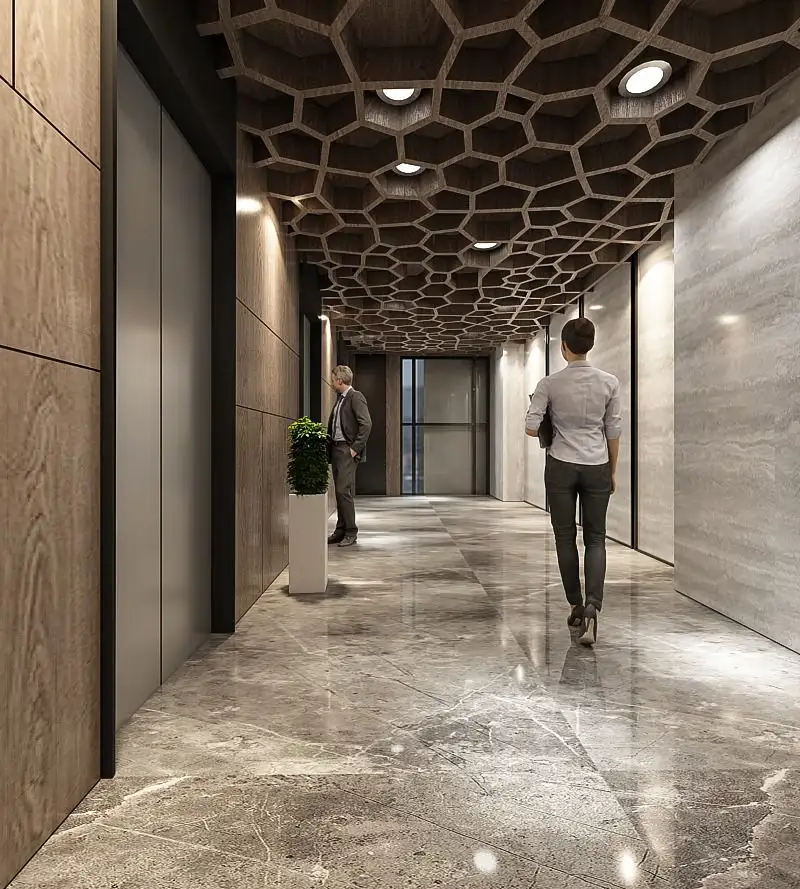
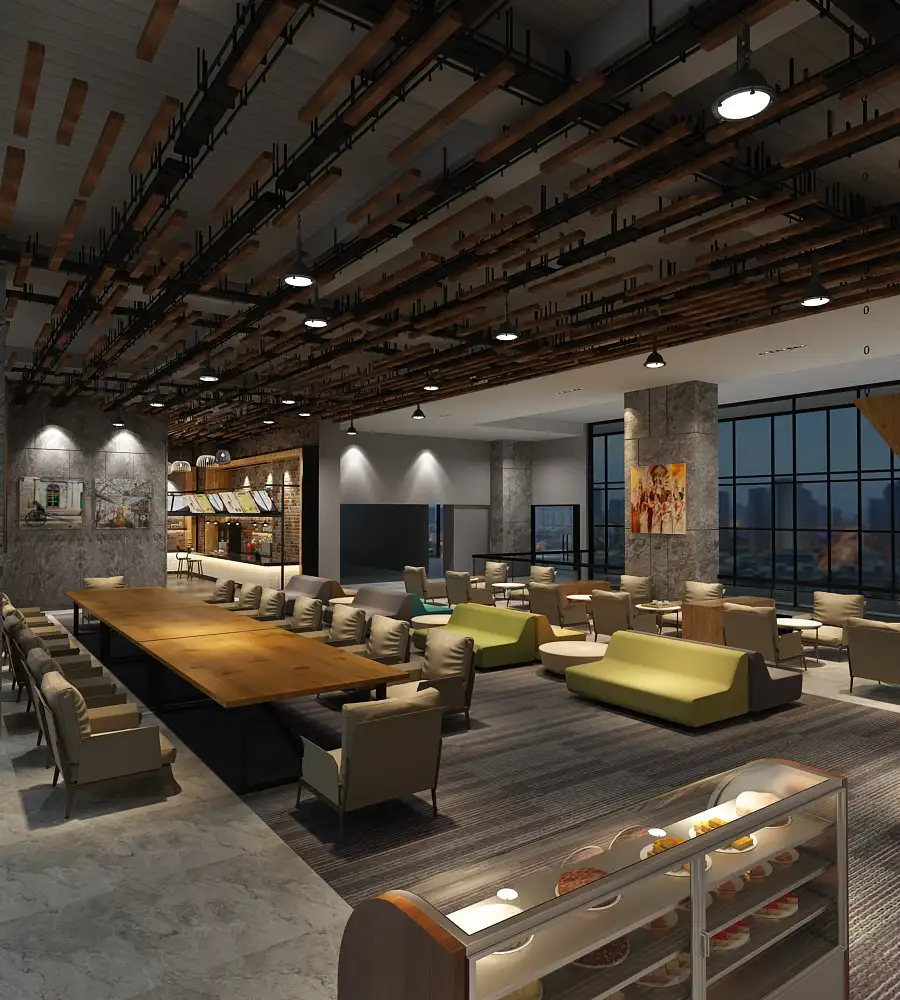
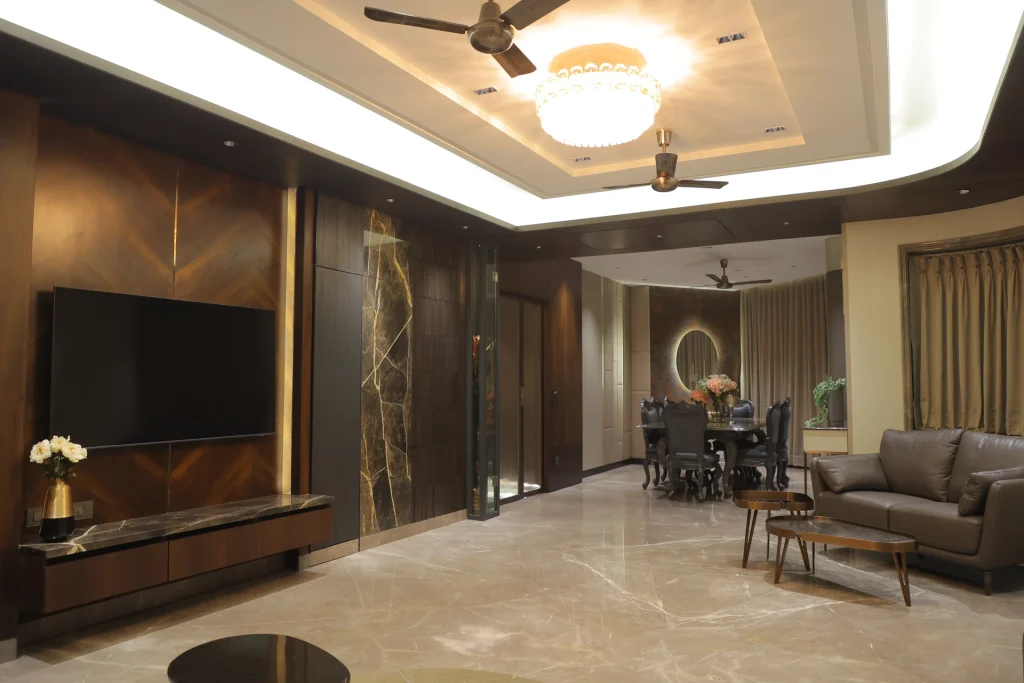
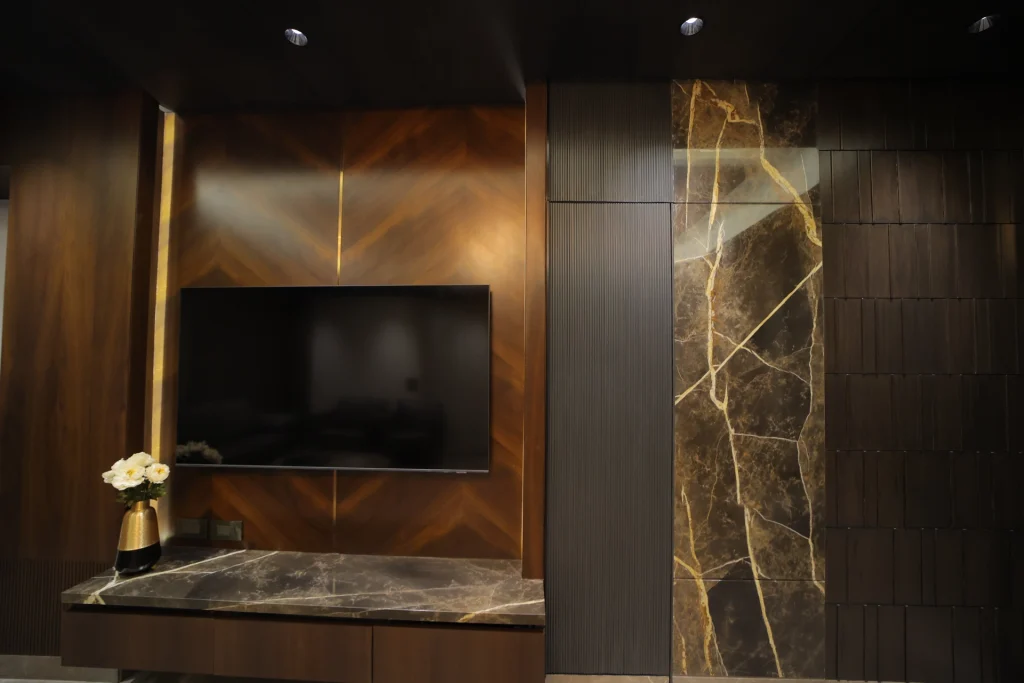
Yes, we showcase our previous work through multiple ways, best way to check out our website under portfolio section featuring our completed projects categorized by project type residential and commercial. We are also present in Social Media Platform like Instagram, Pinterest and other popular platforms. We showcase Portfolio presentations during Consultations. By reviewing examples of our previous projects, you’ll be able to determine if our style aligns with your vision, also assess our attention to detail, creativity, and versatility.
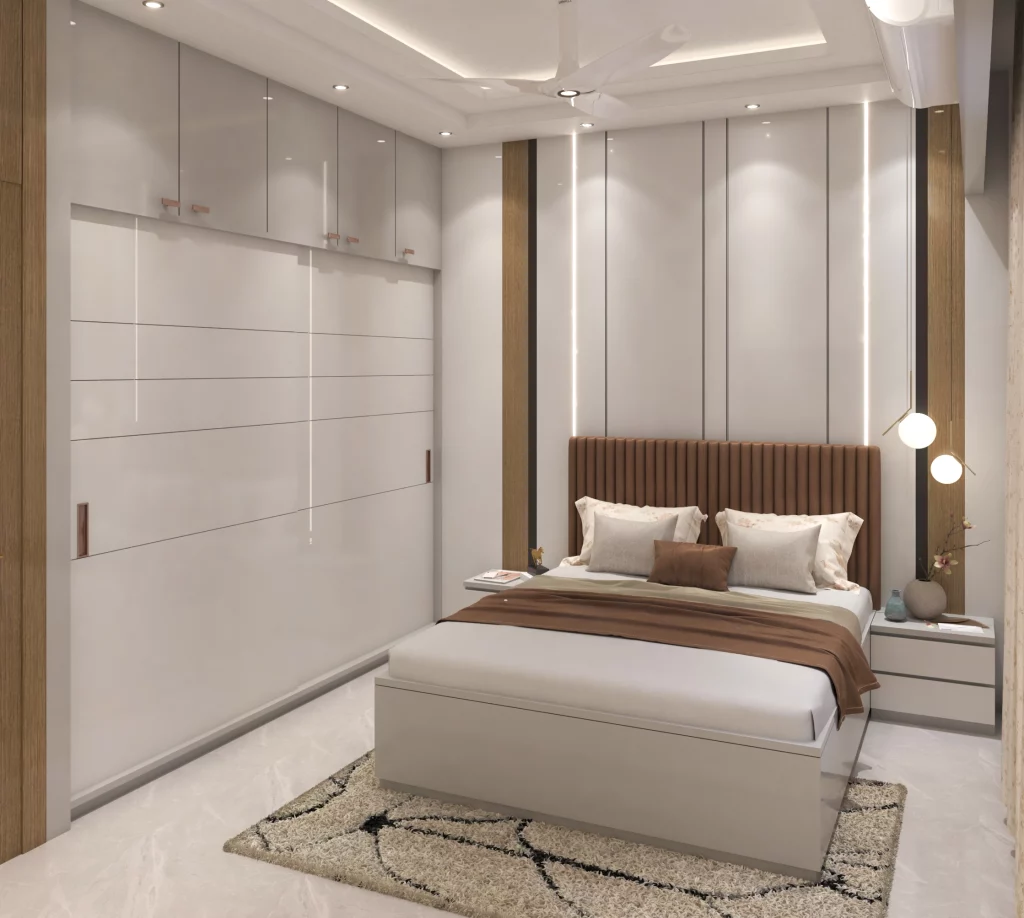
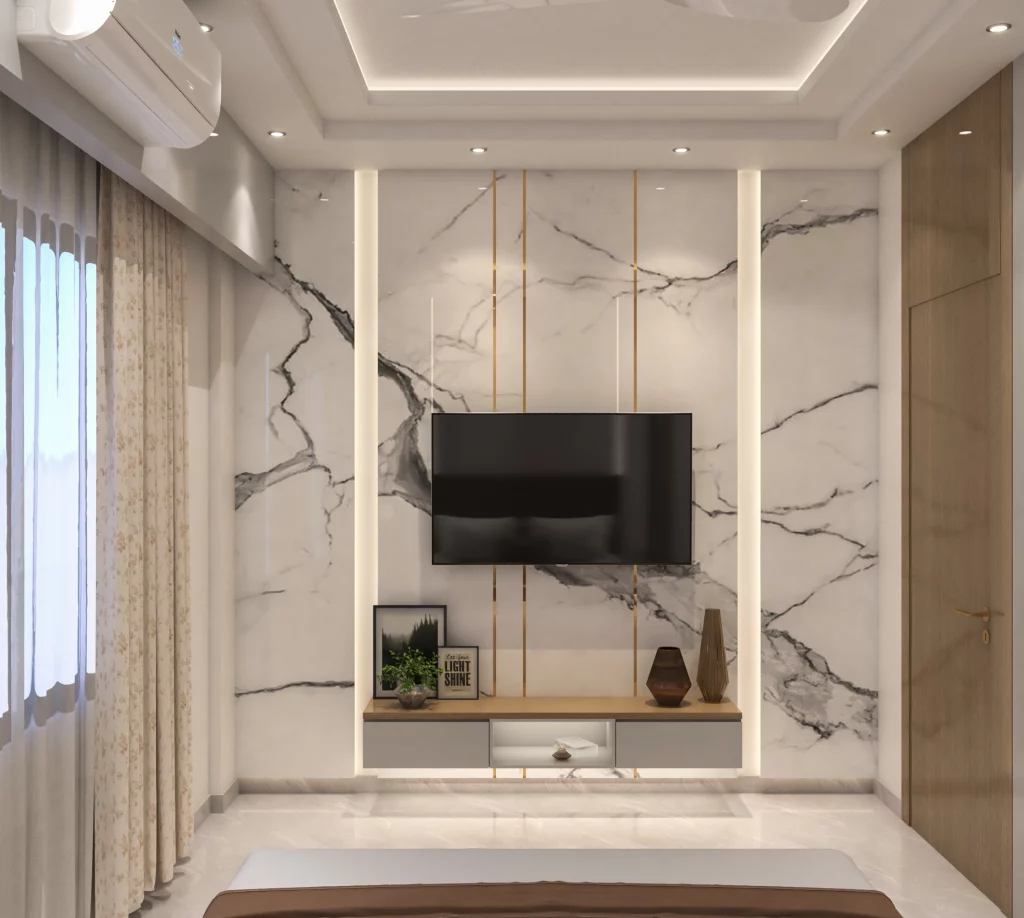
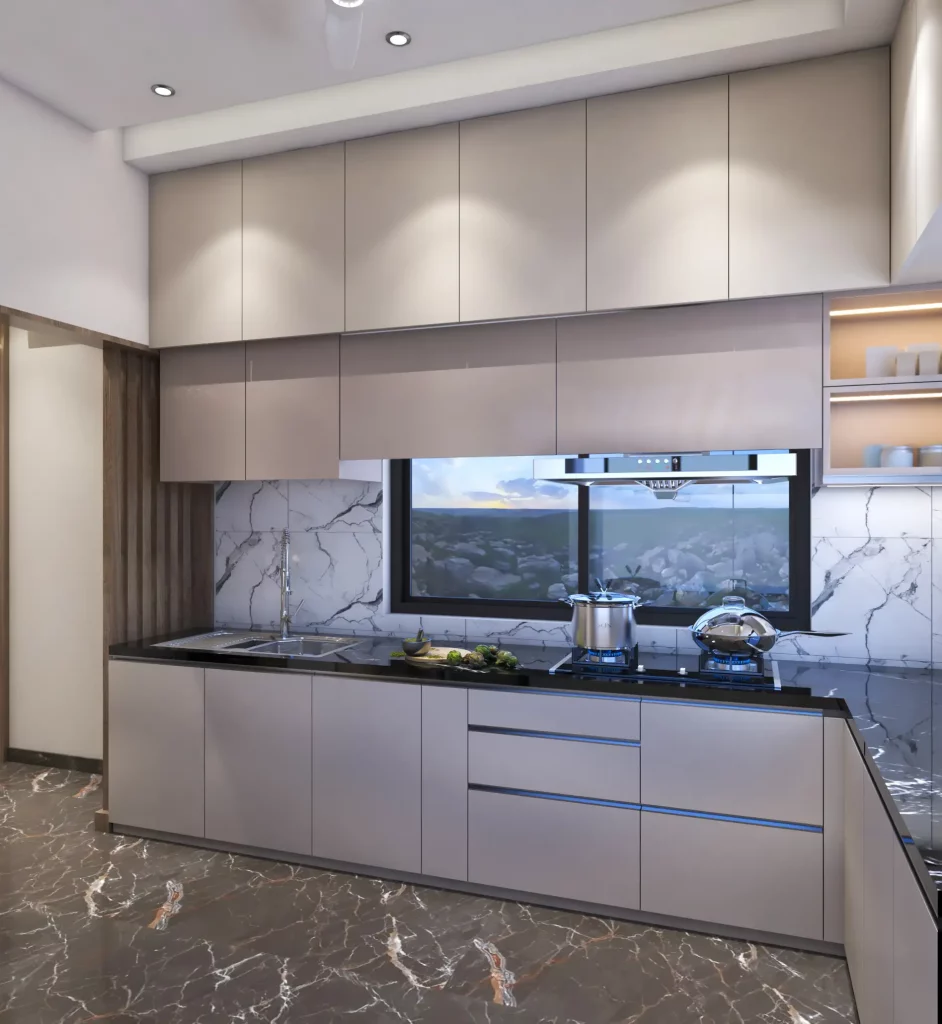
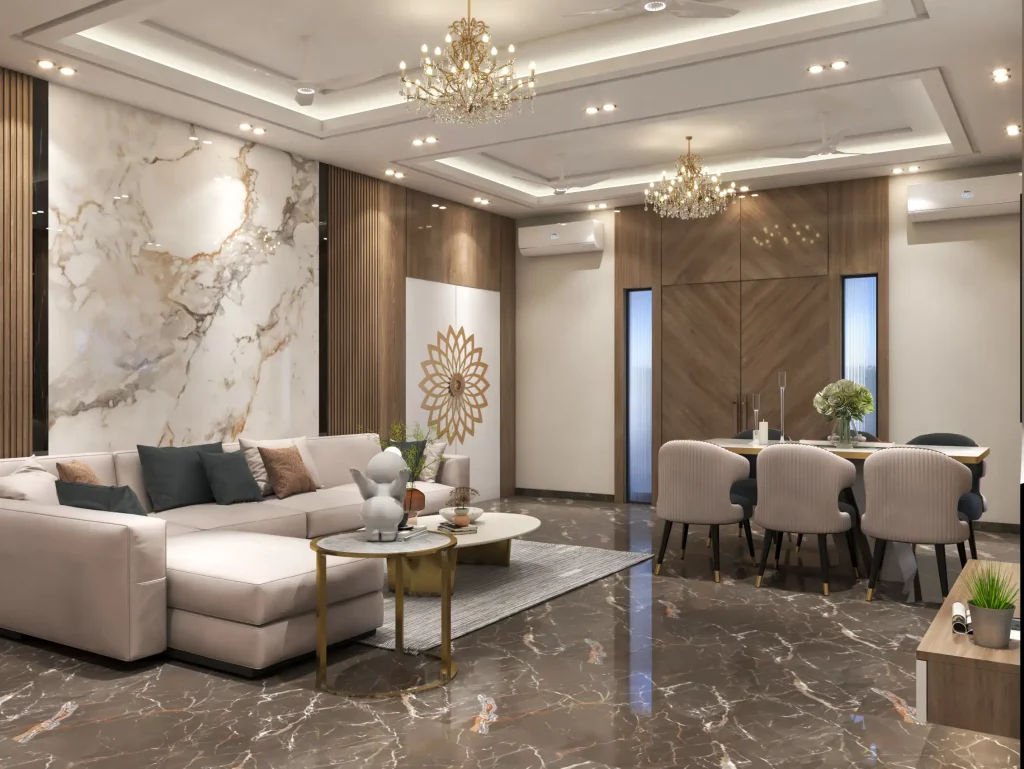
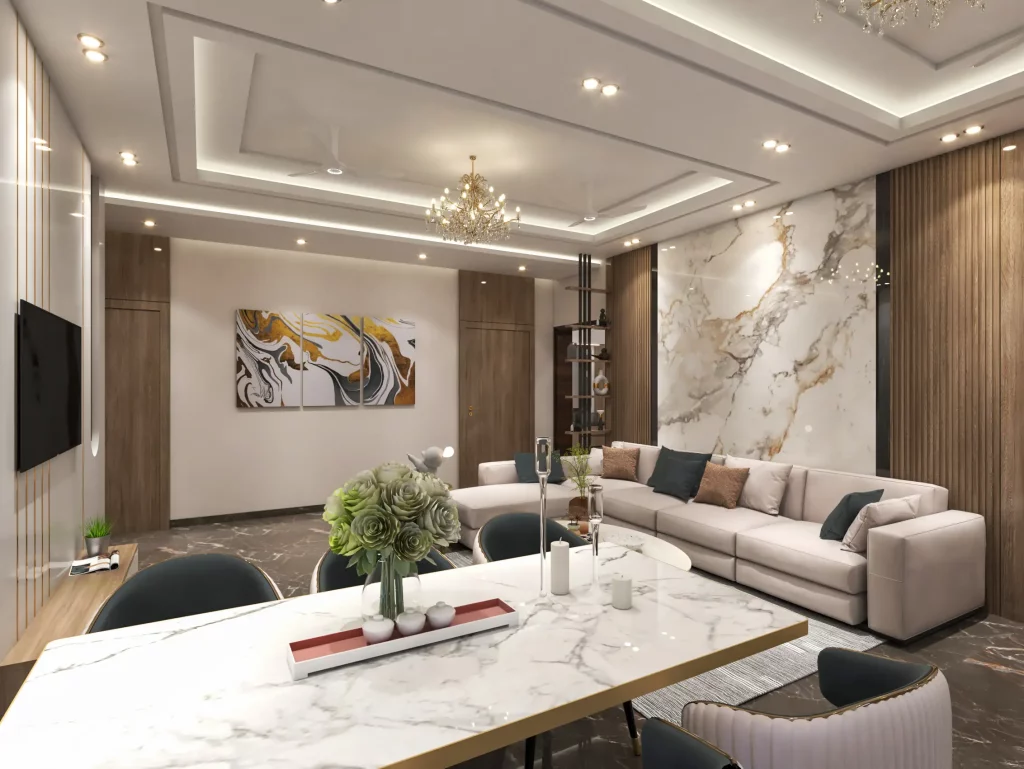
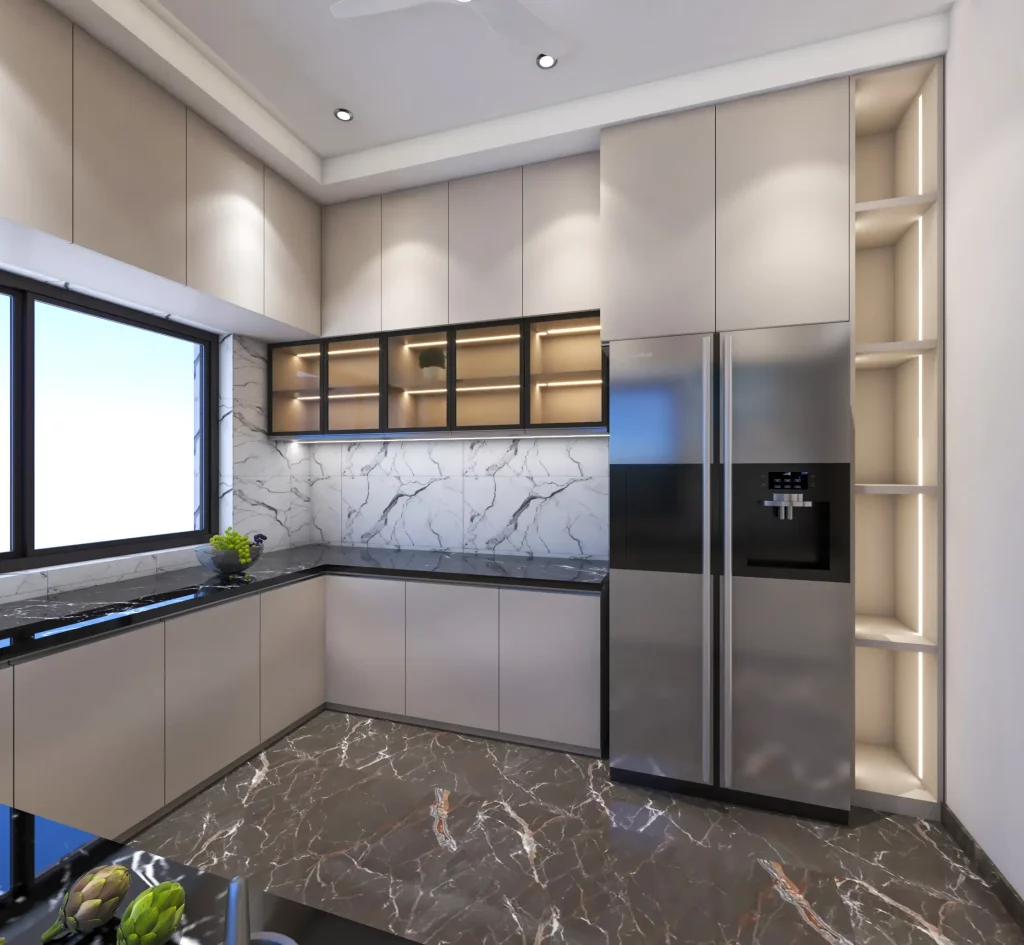
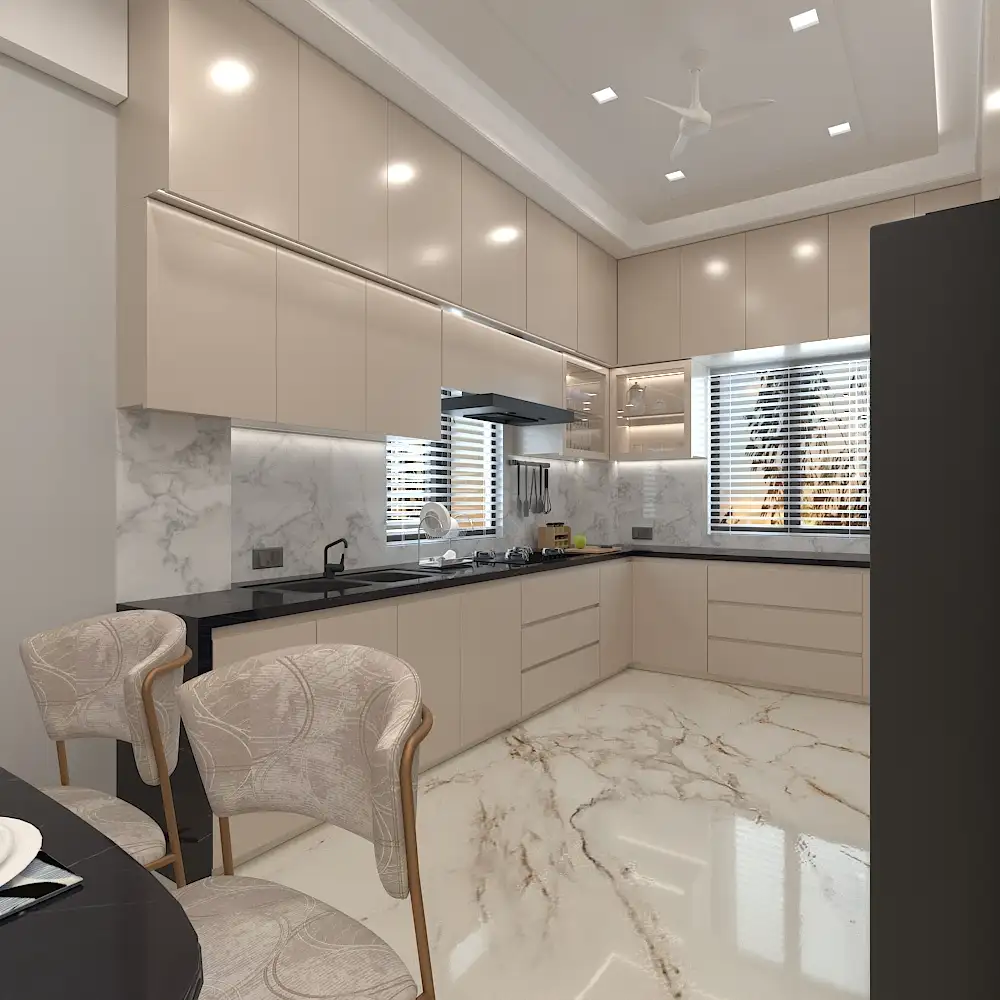
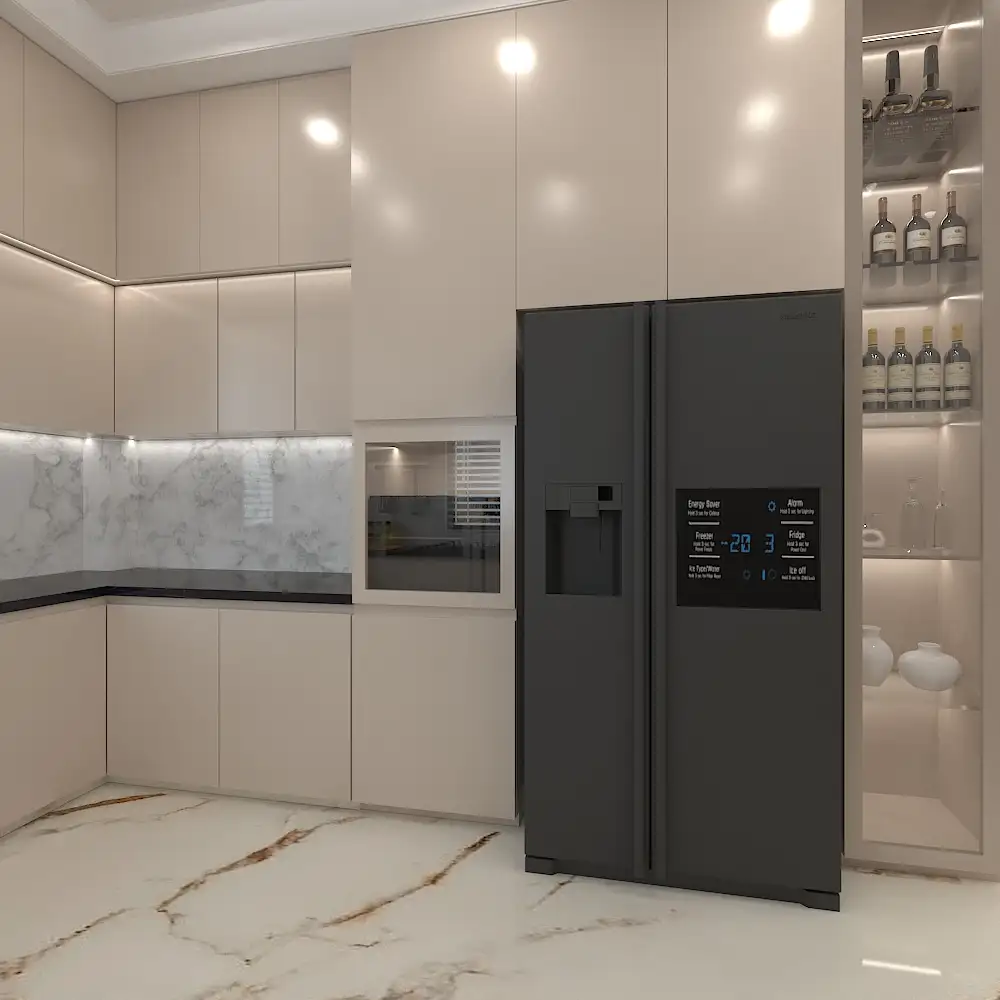
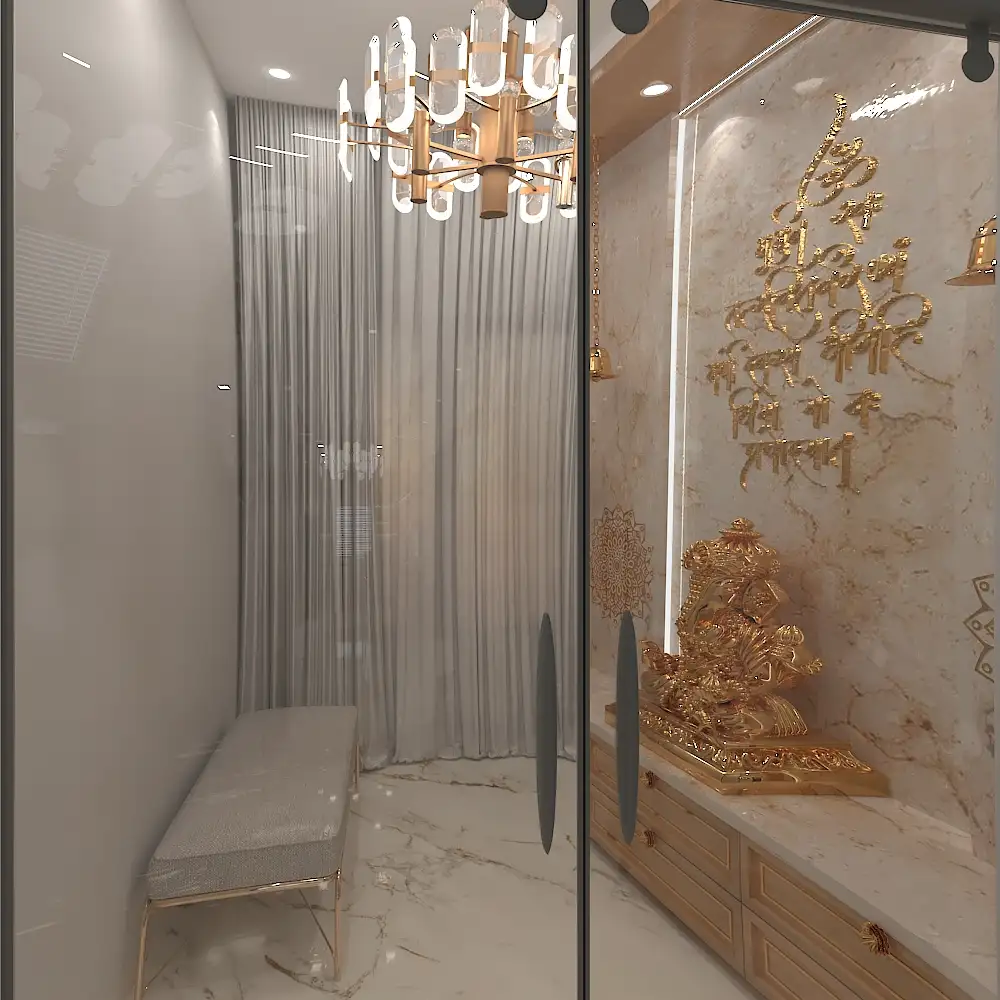
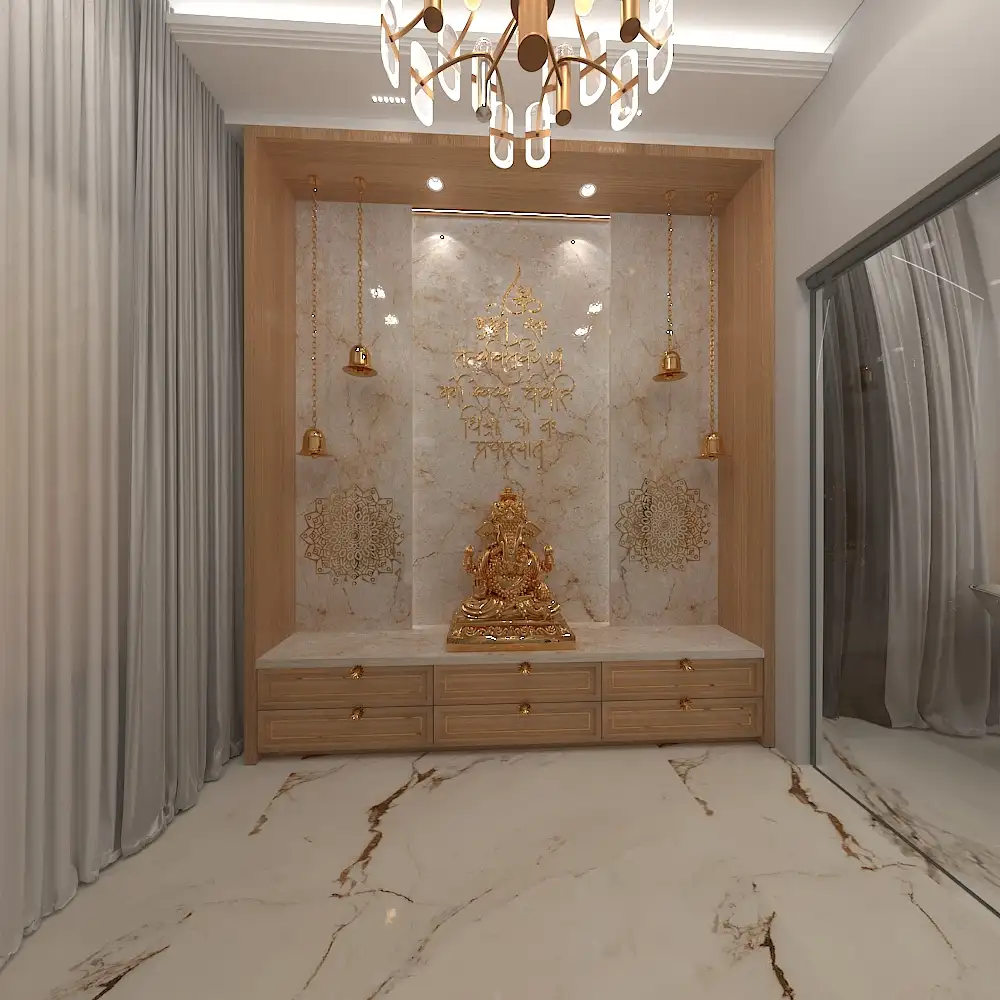
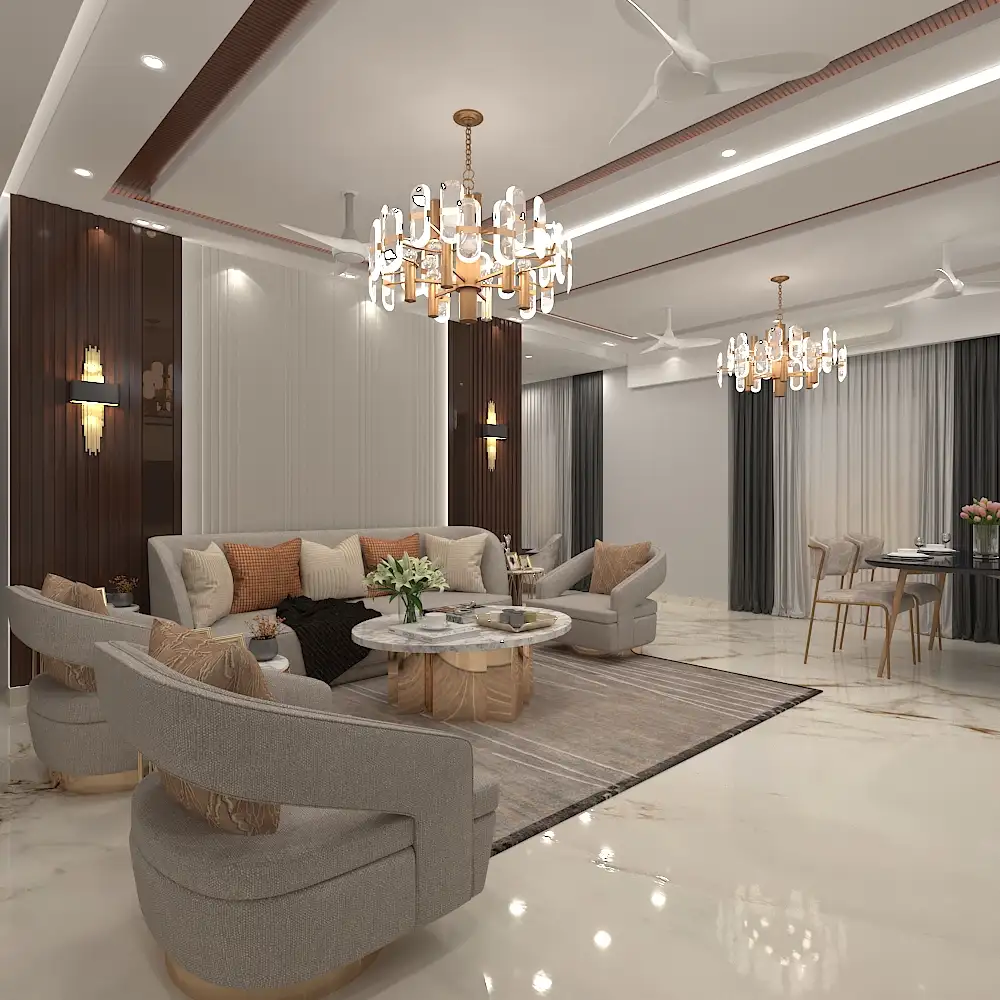
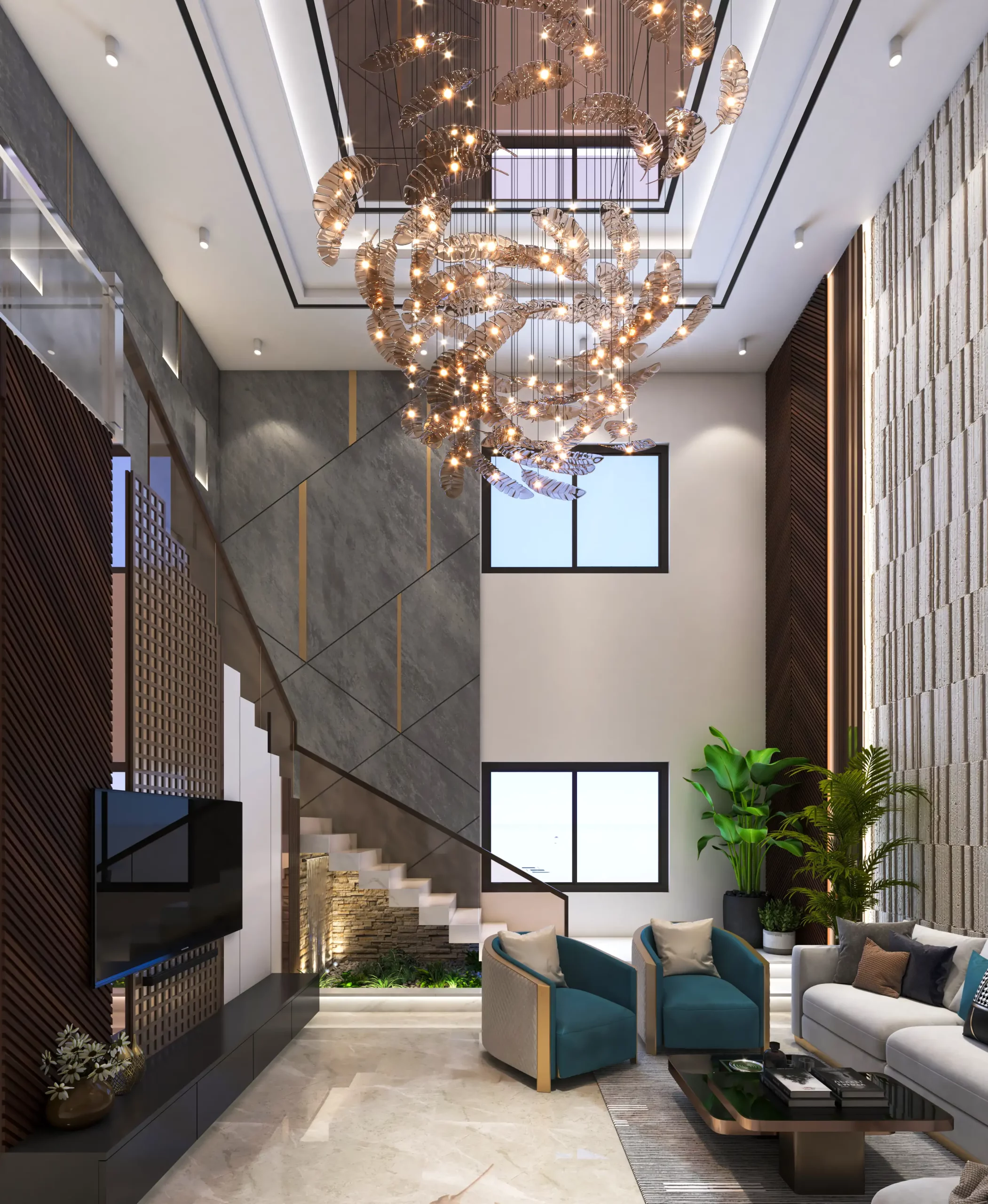
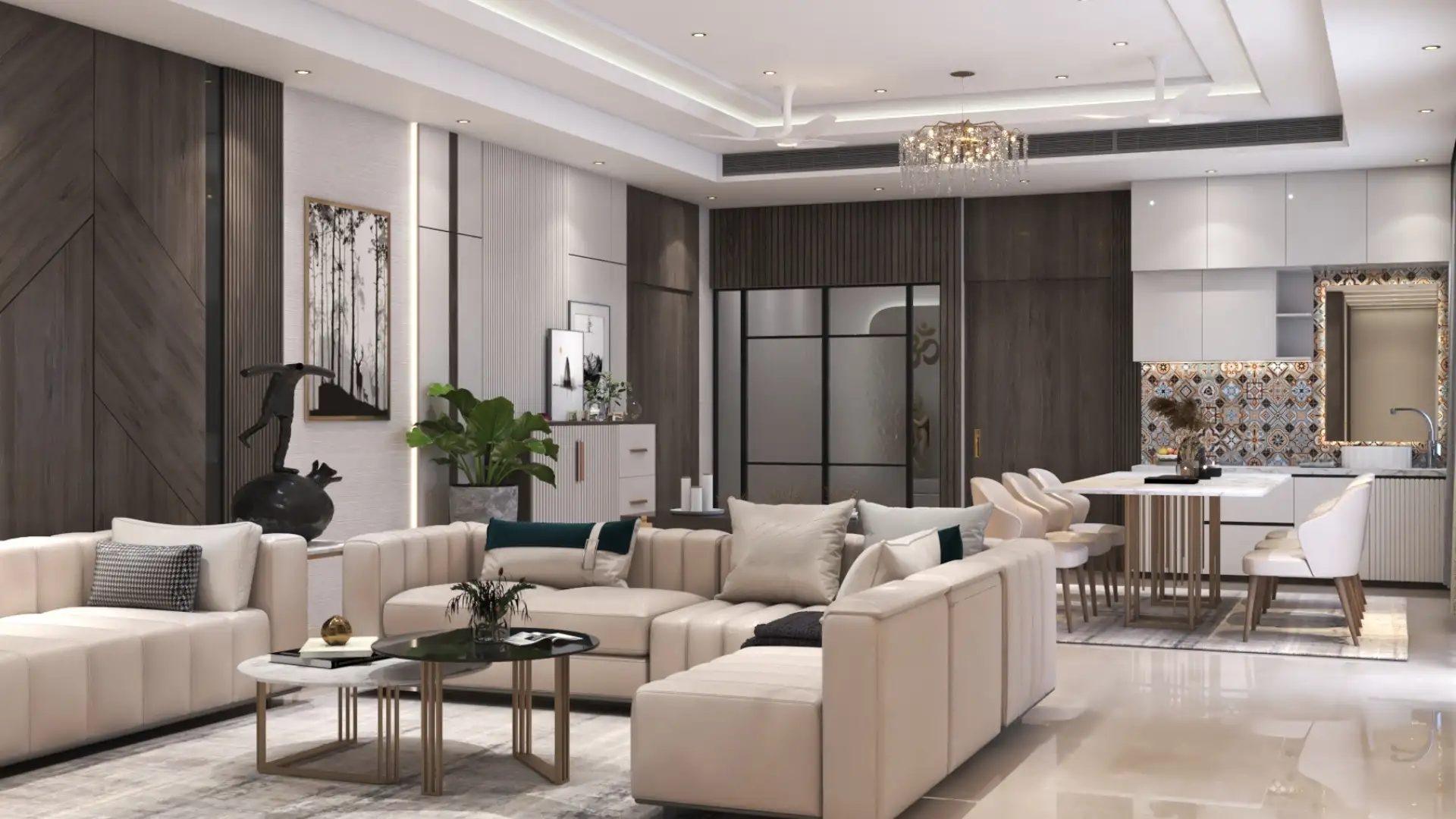
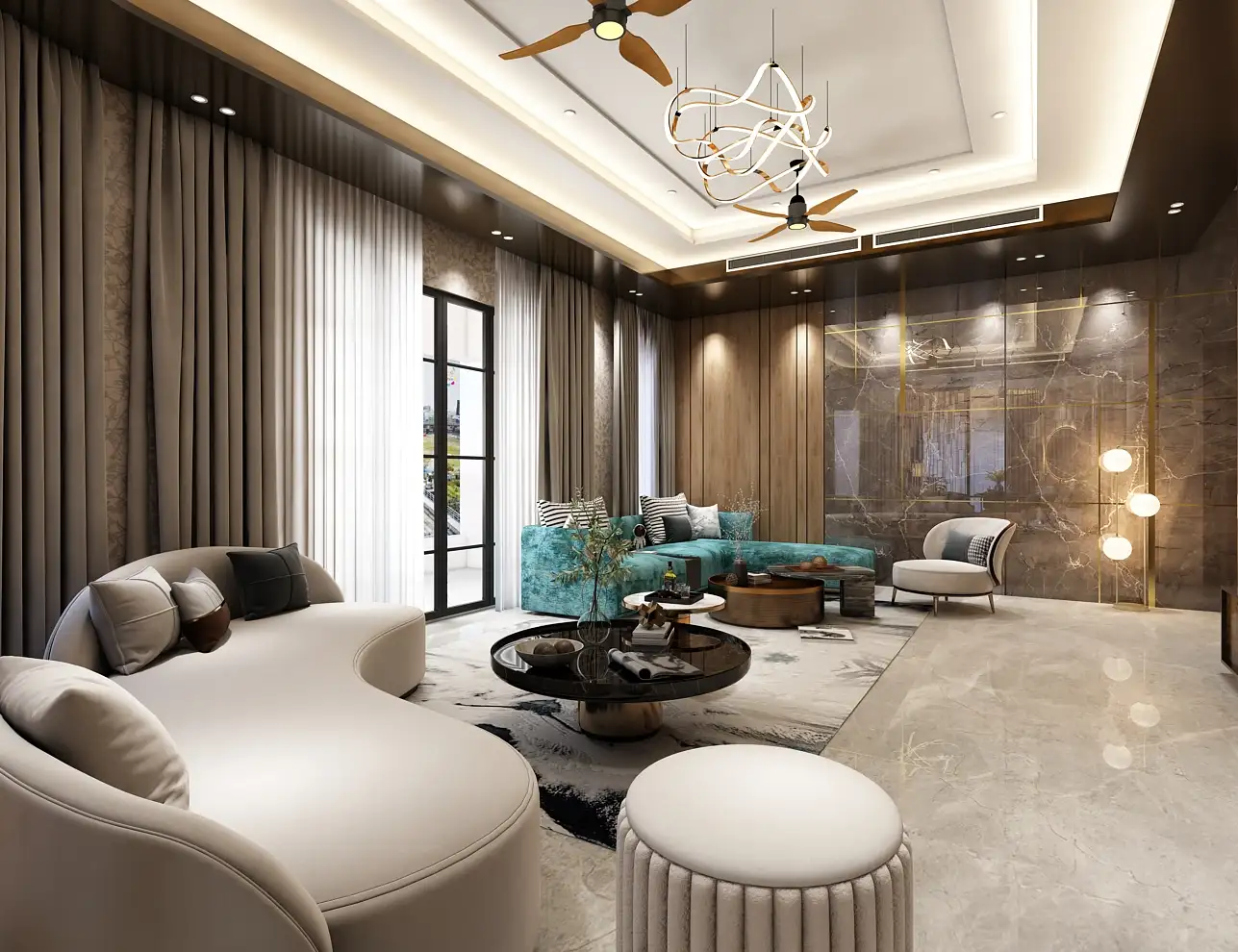
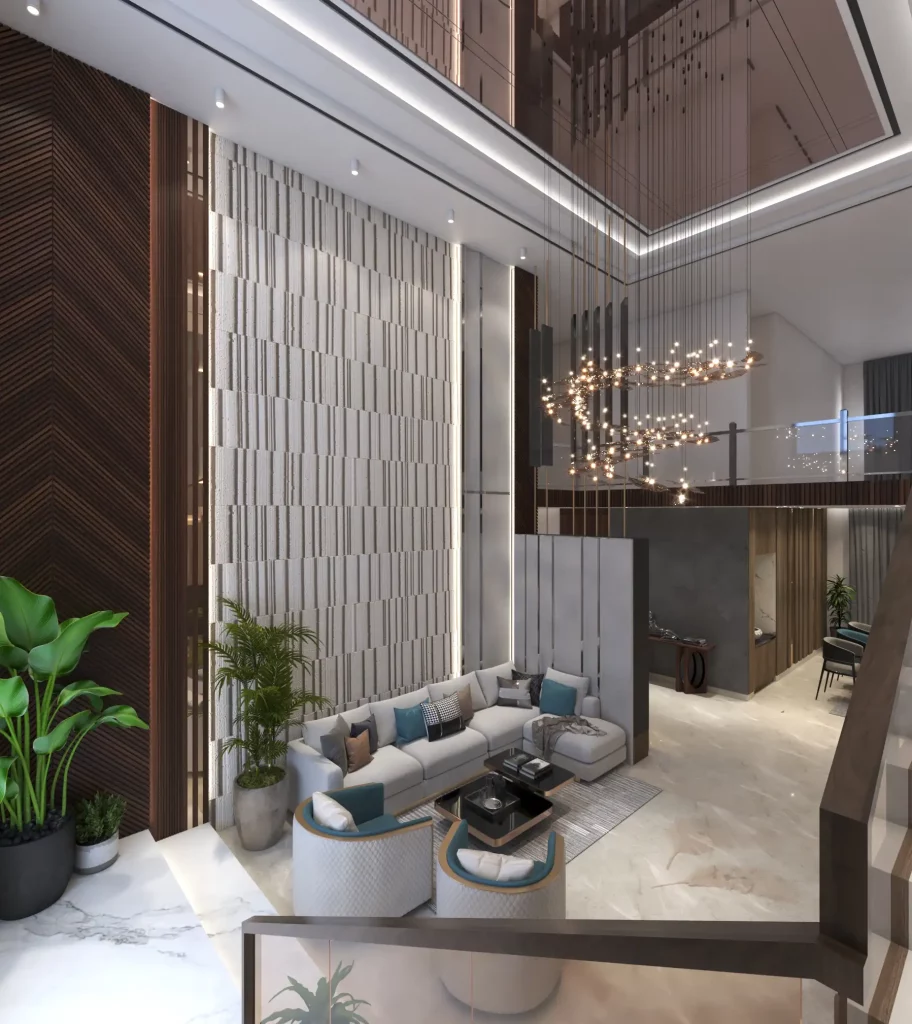
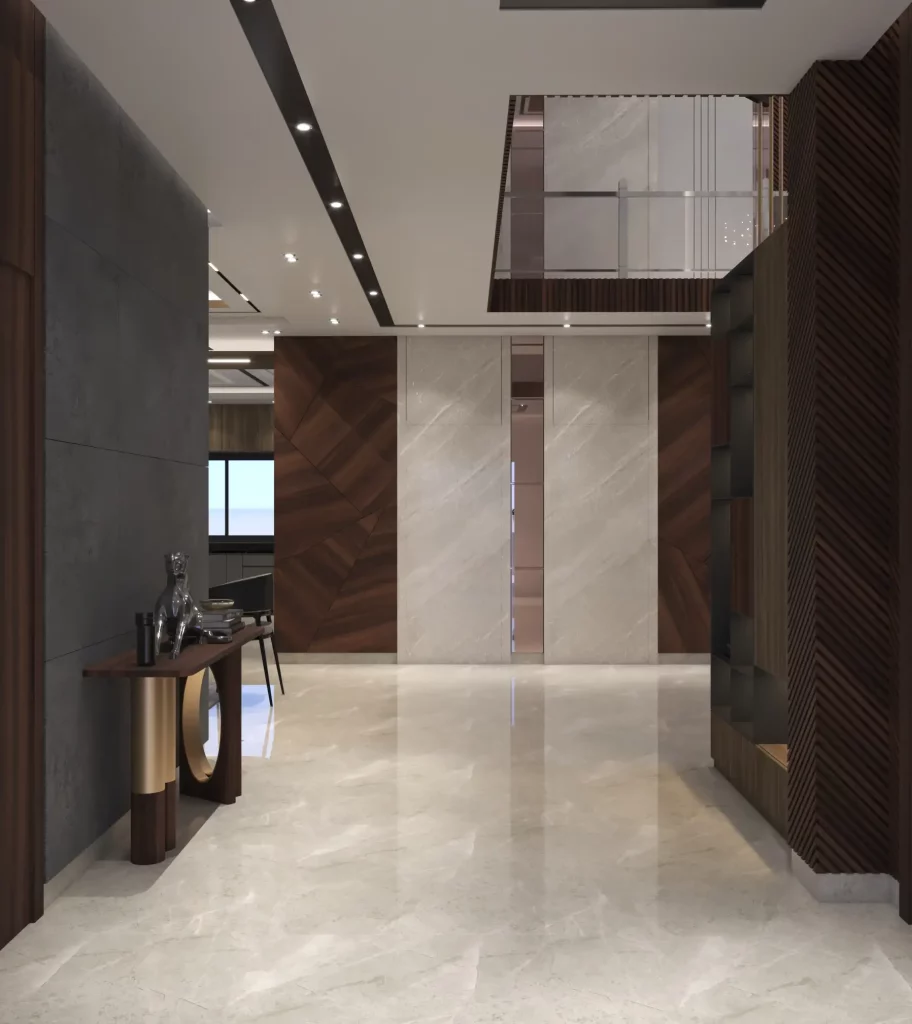
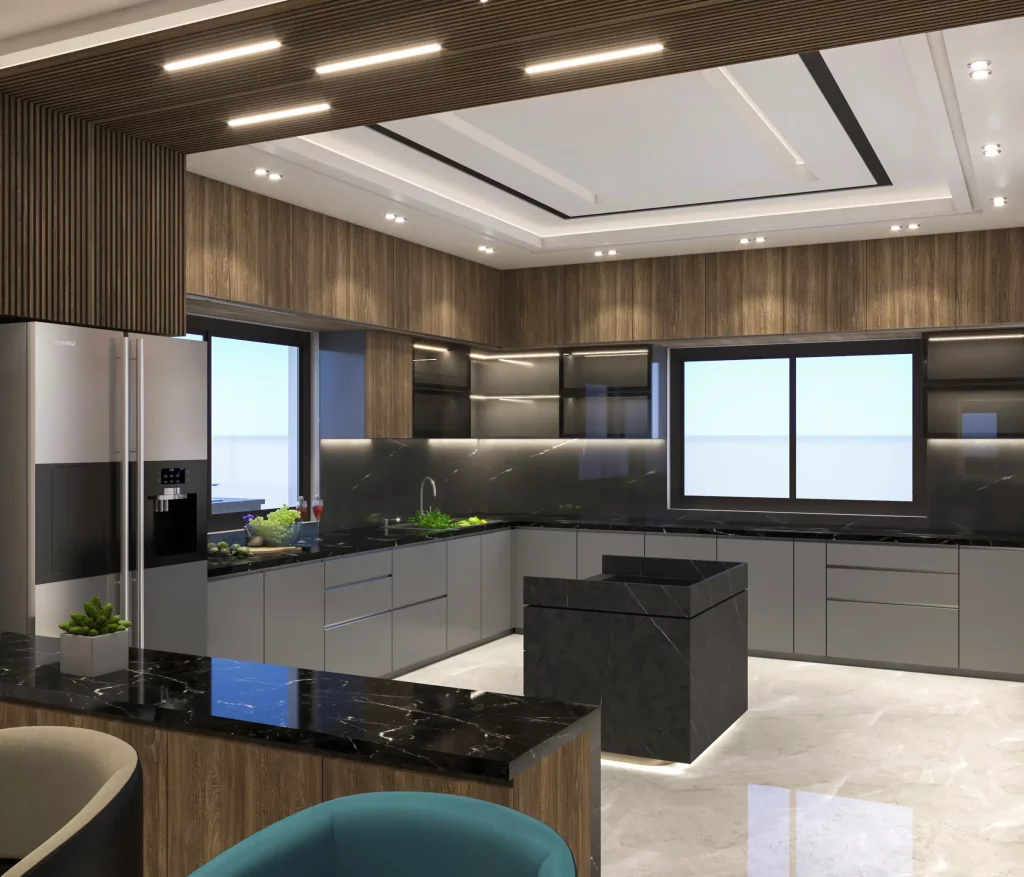
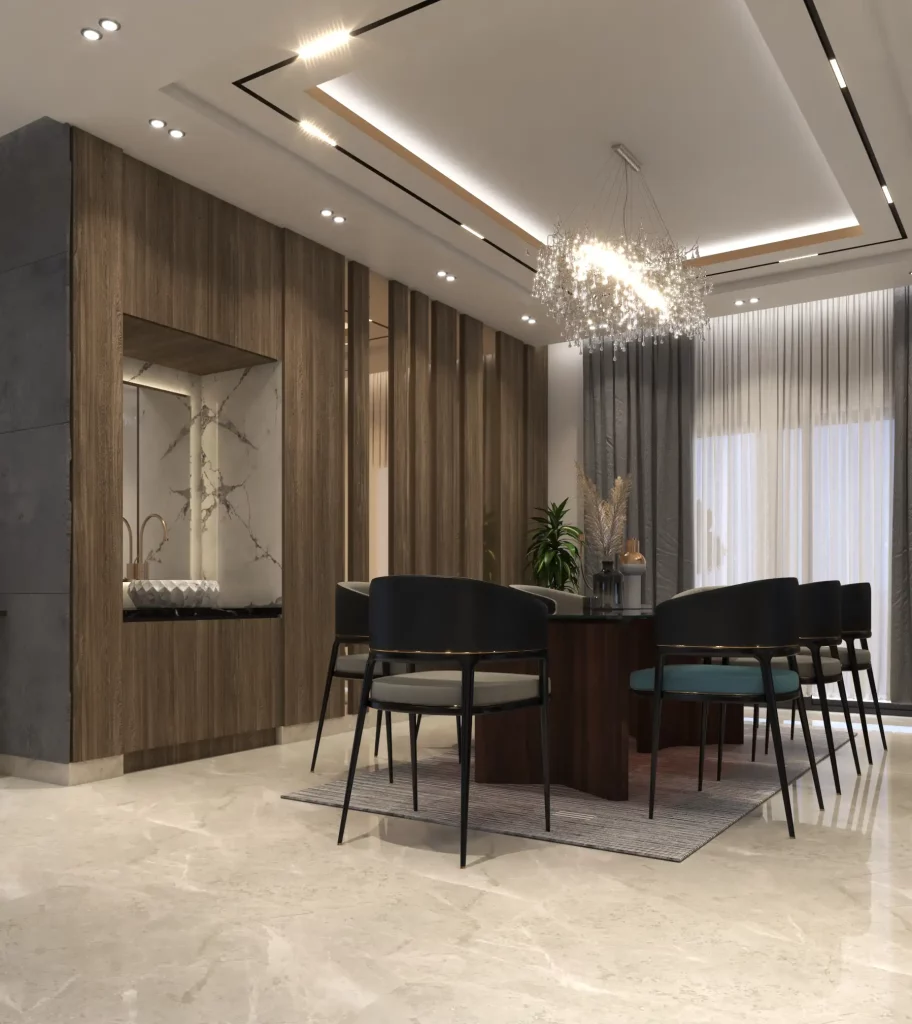
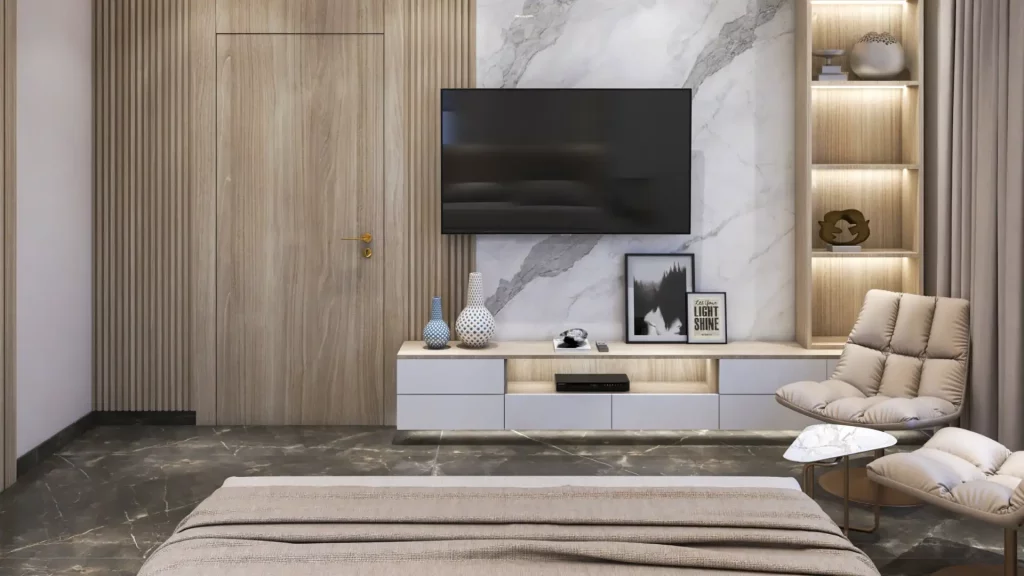
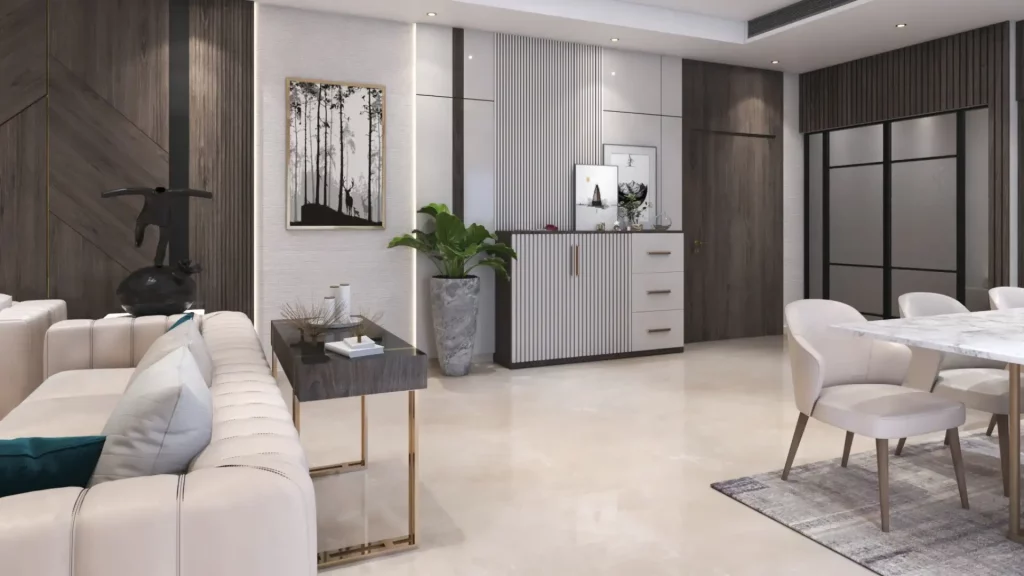
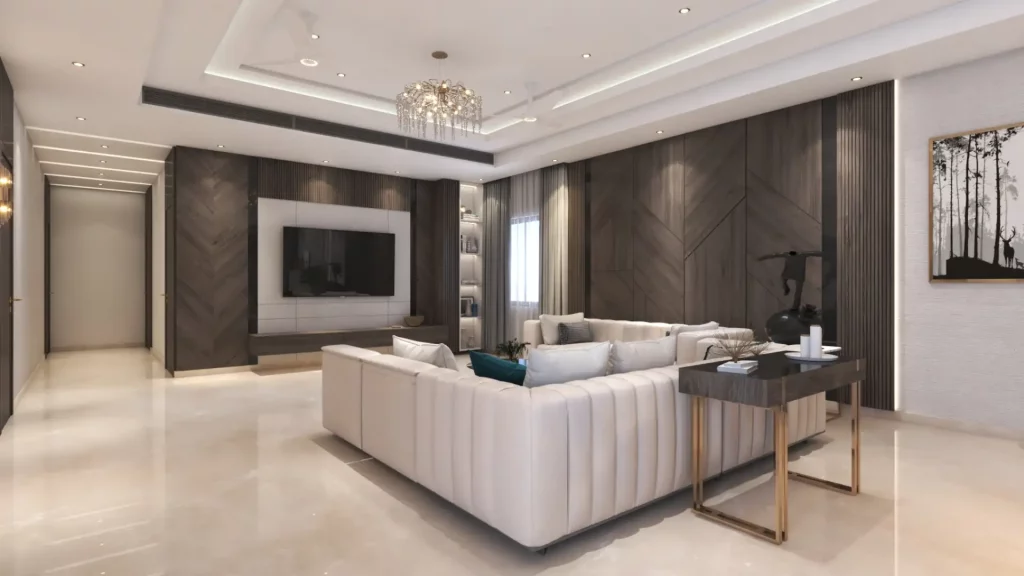
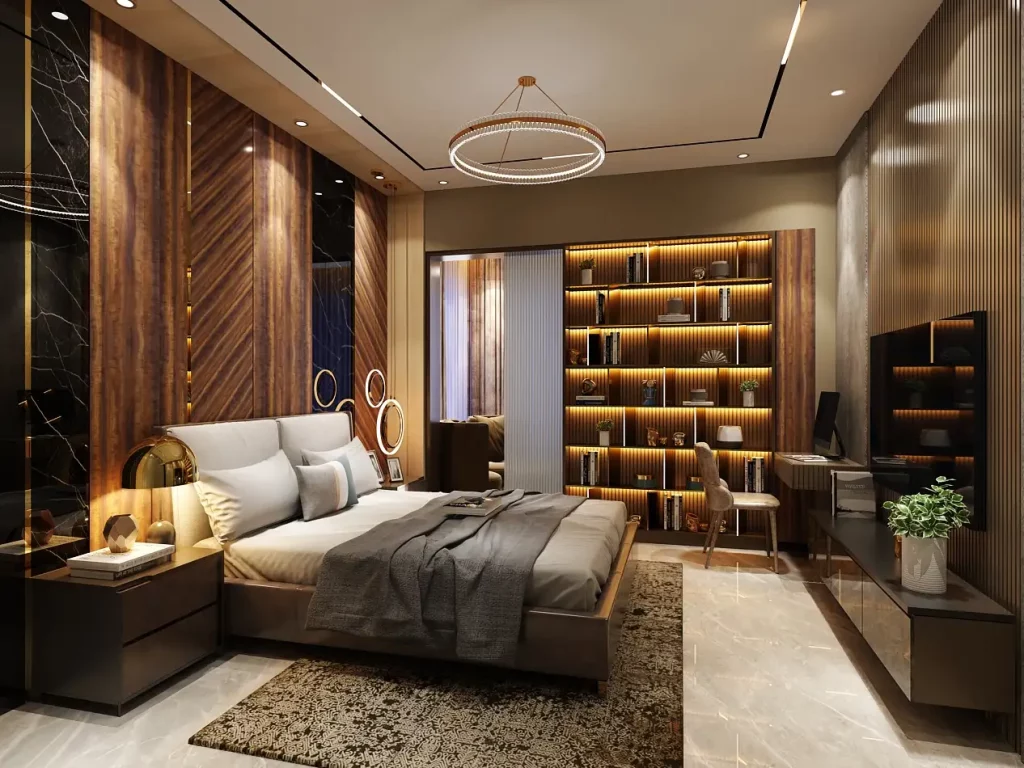
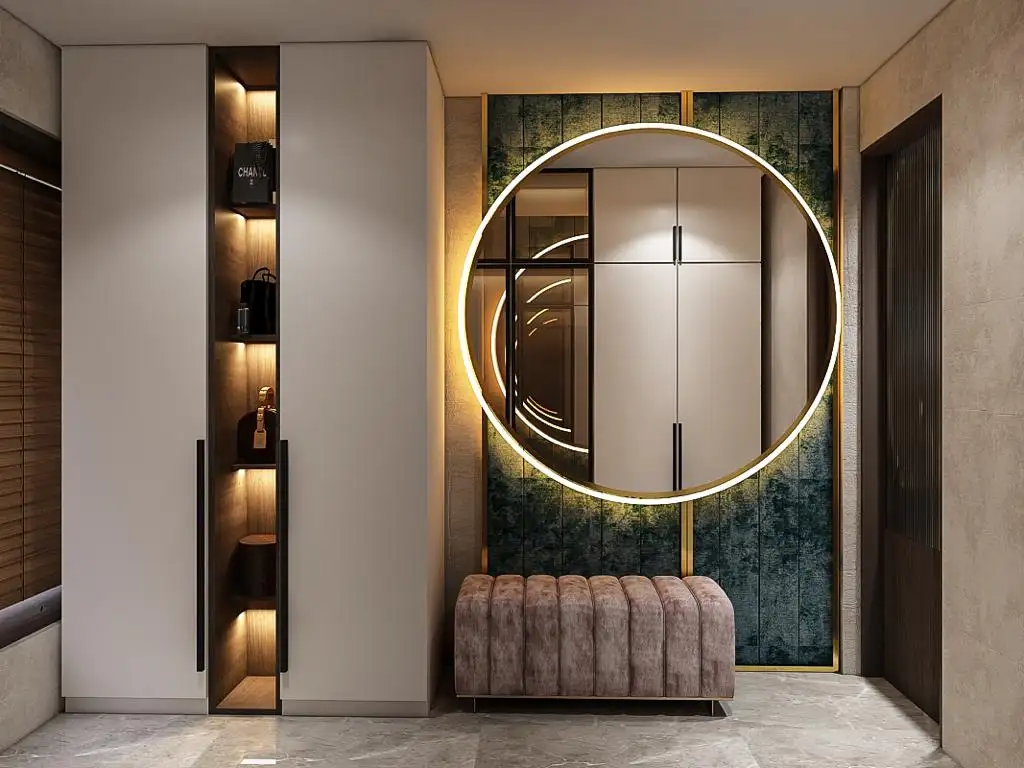
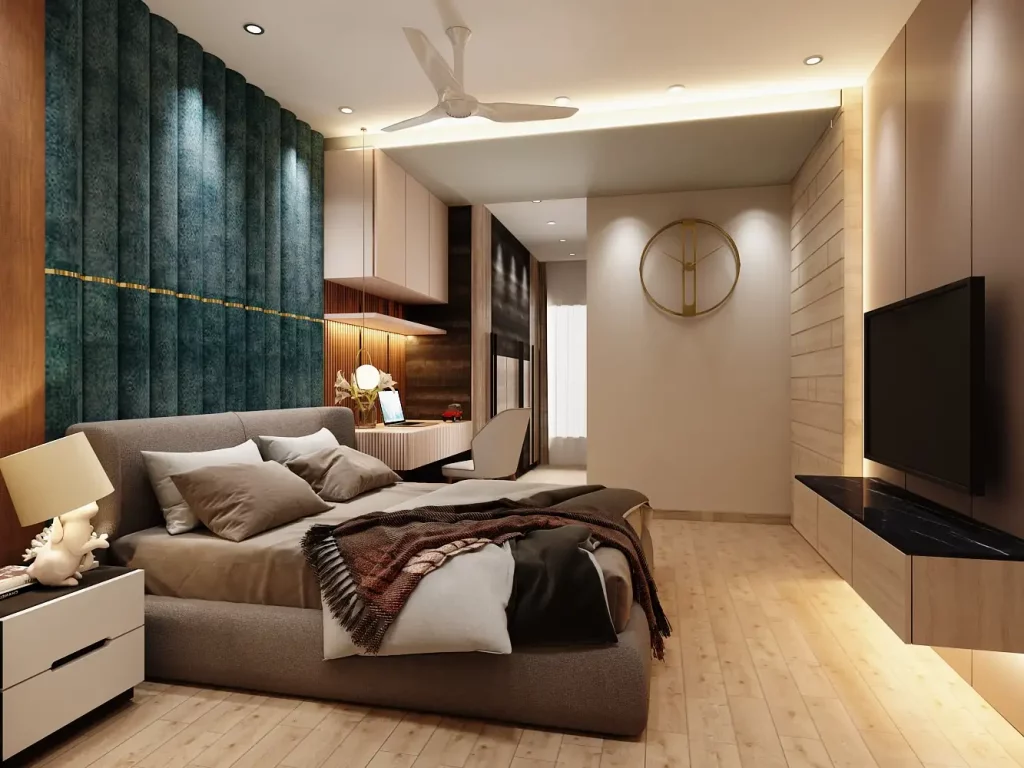
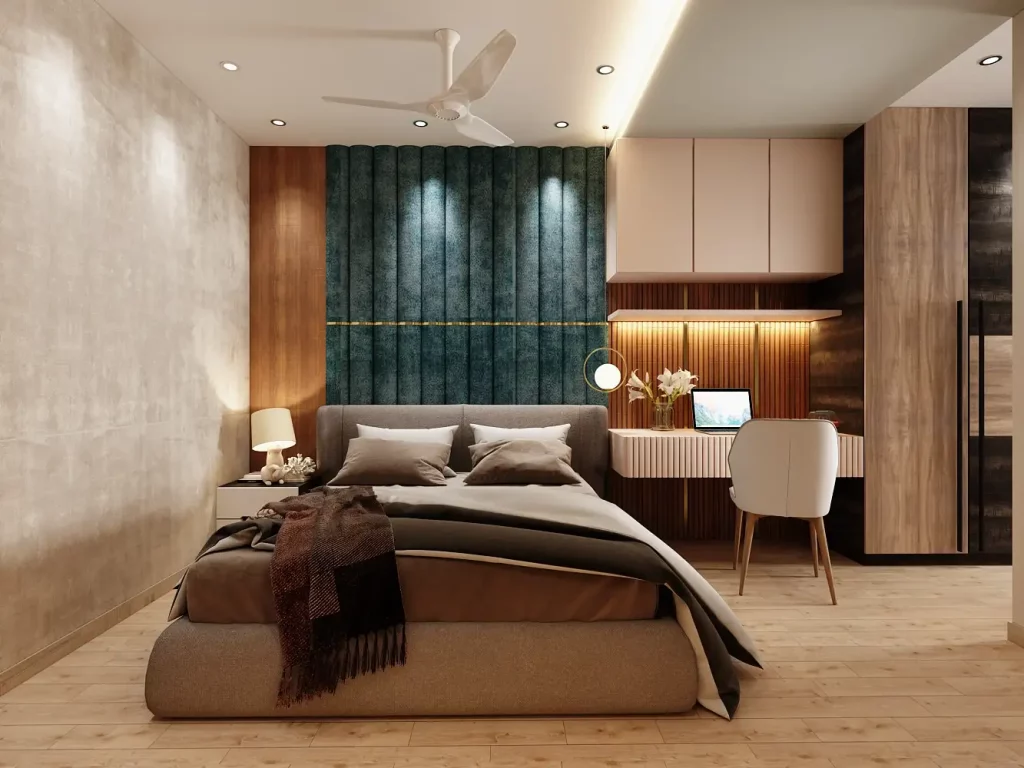
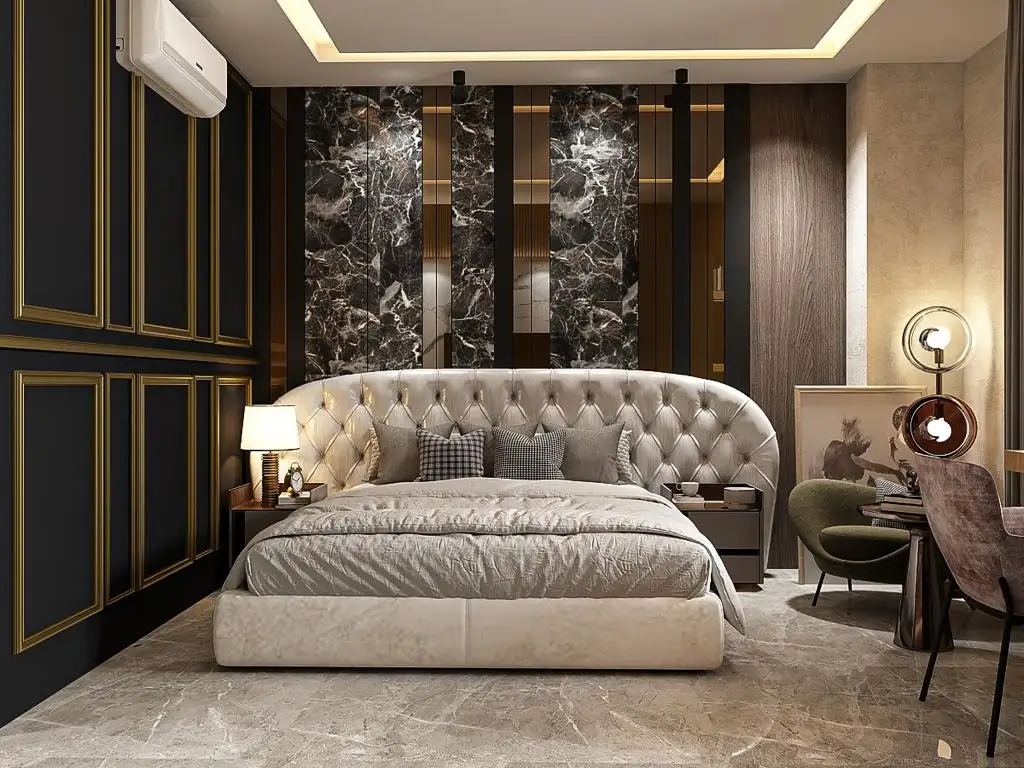
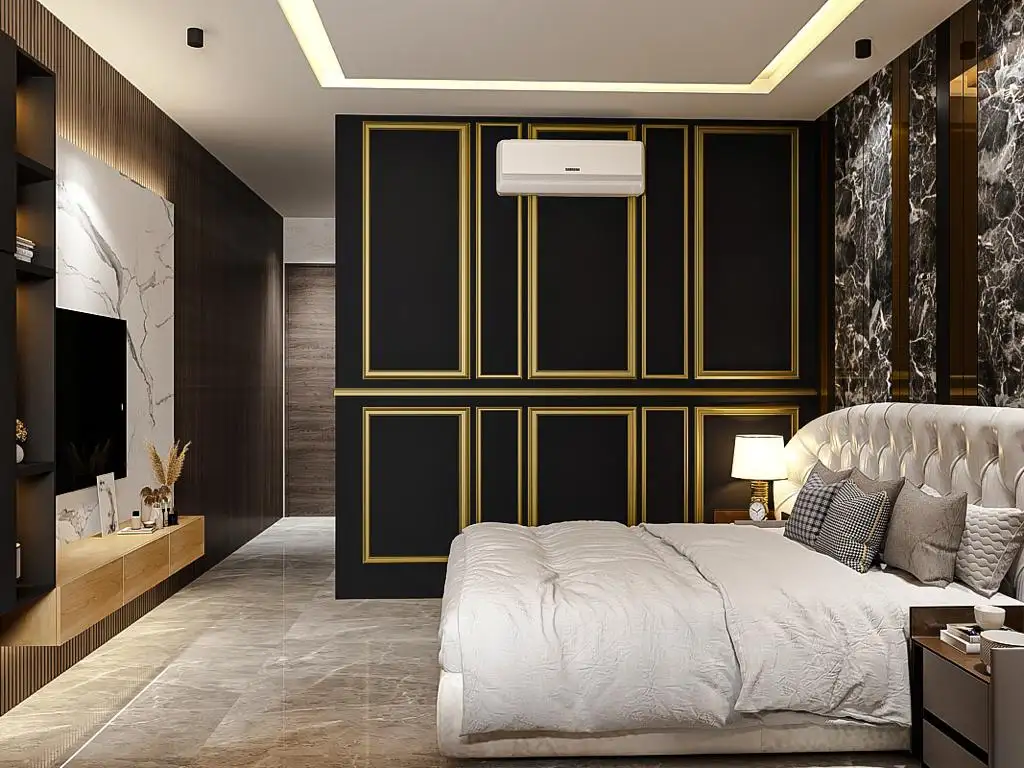
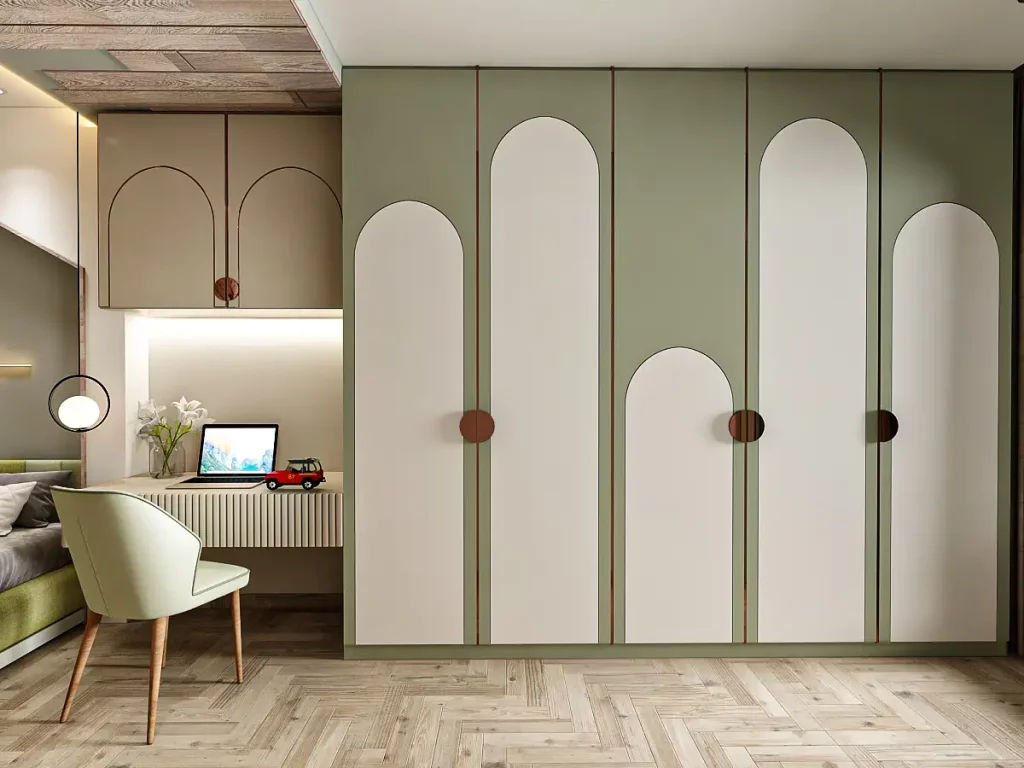
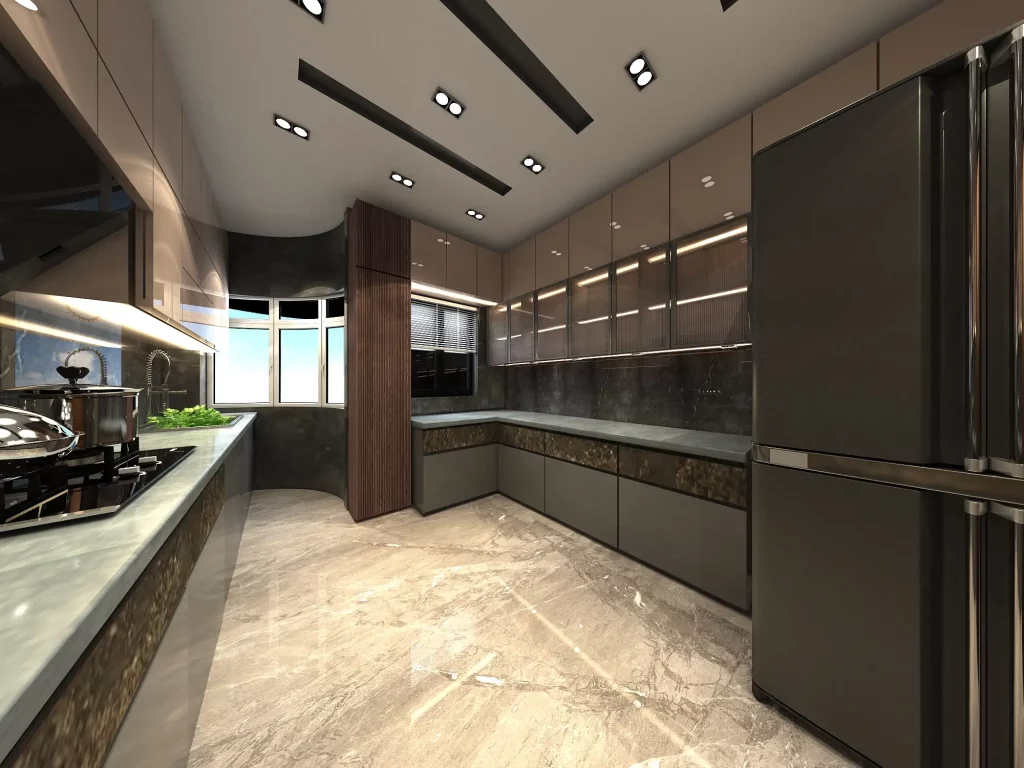
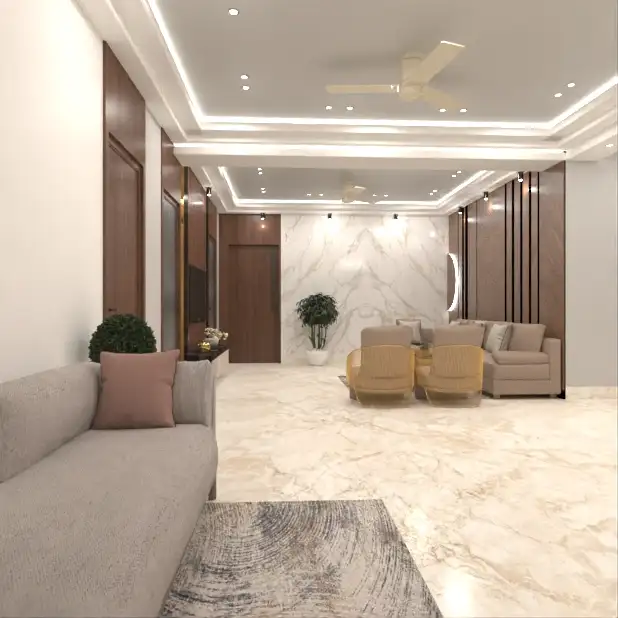
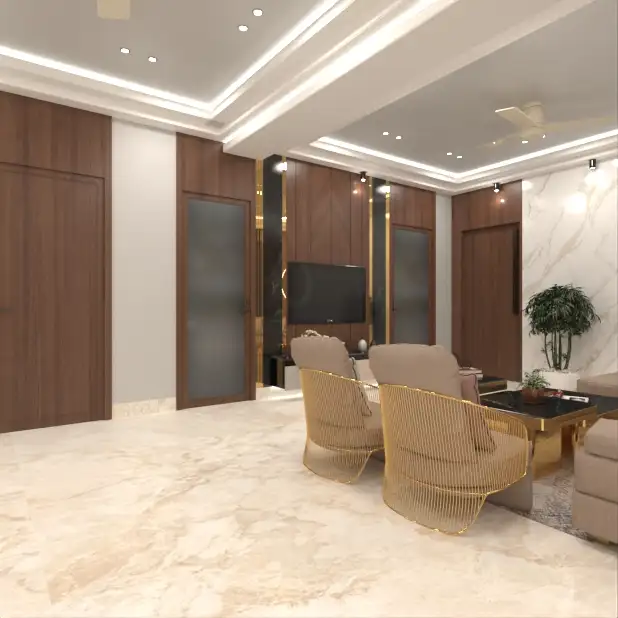
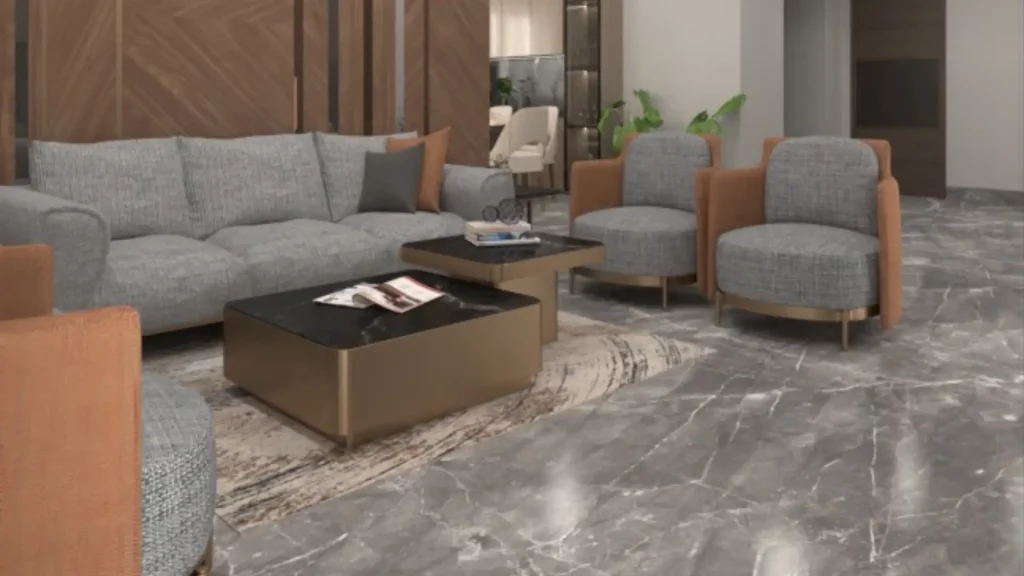
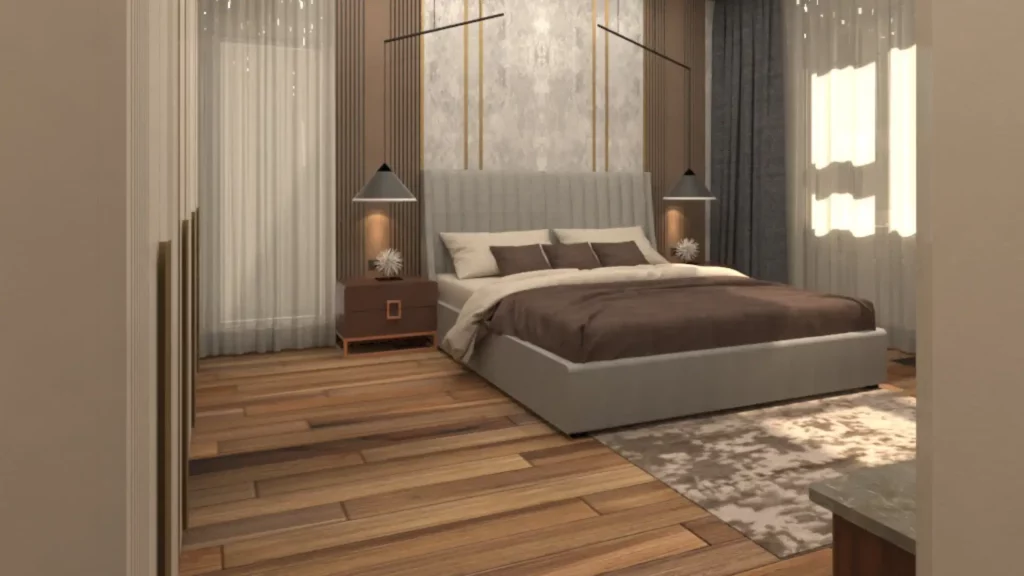
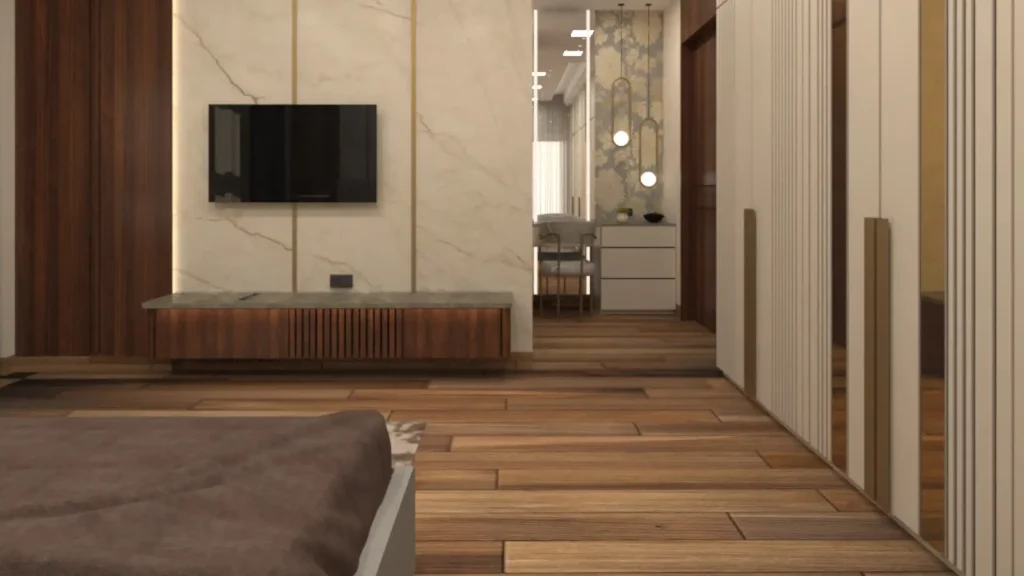
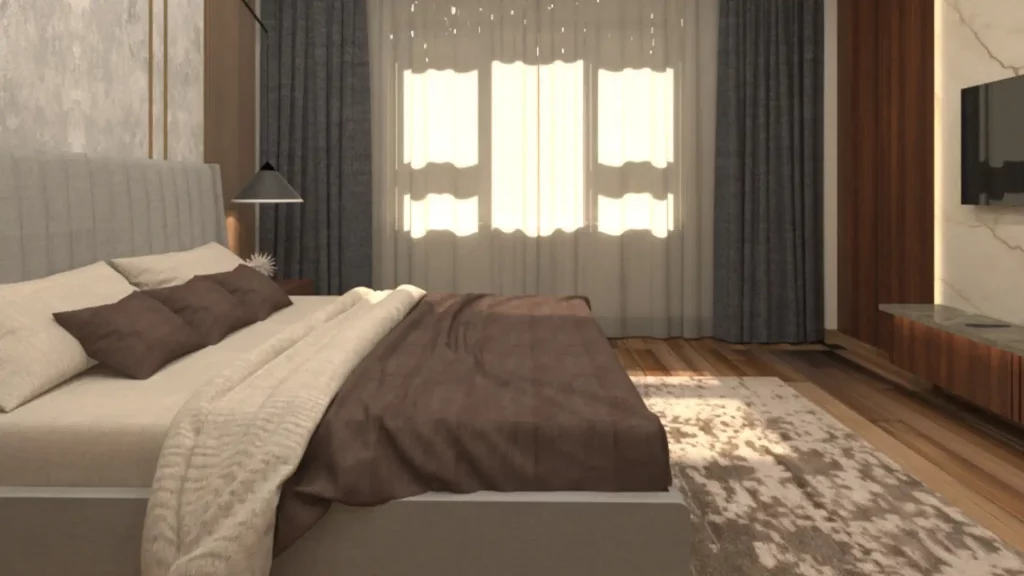
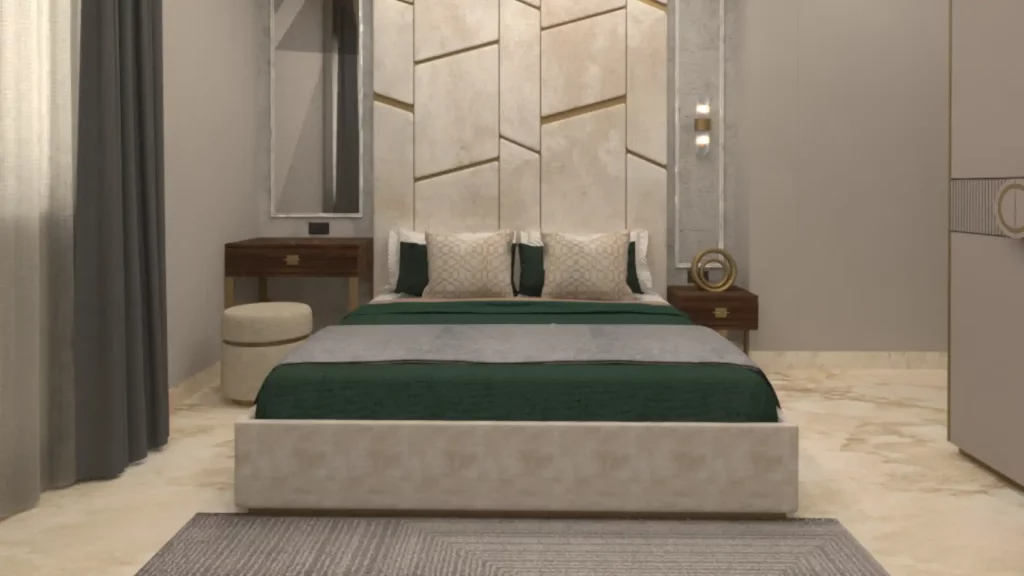
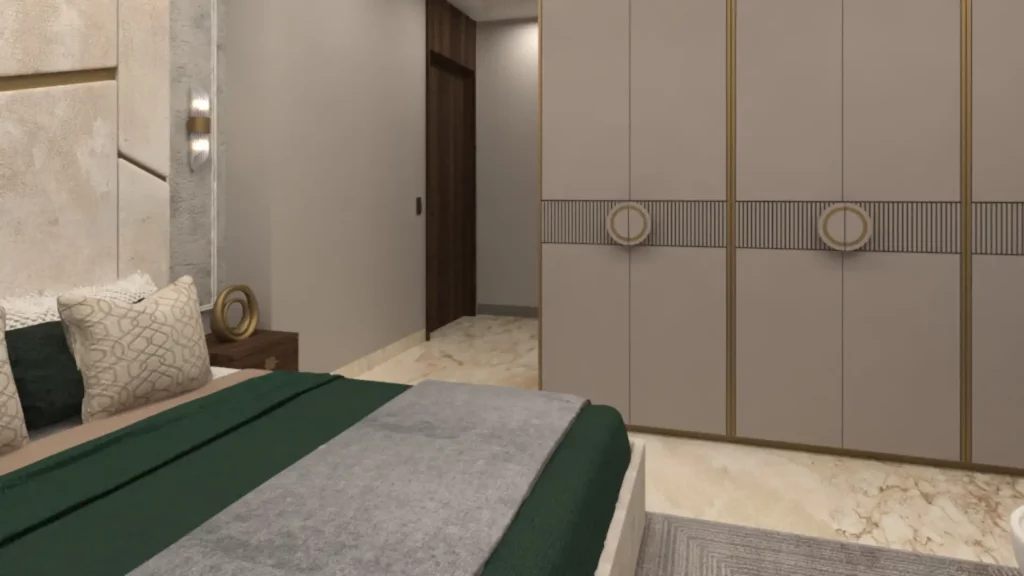
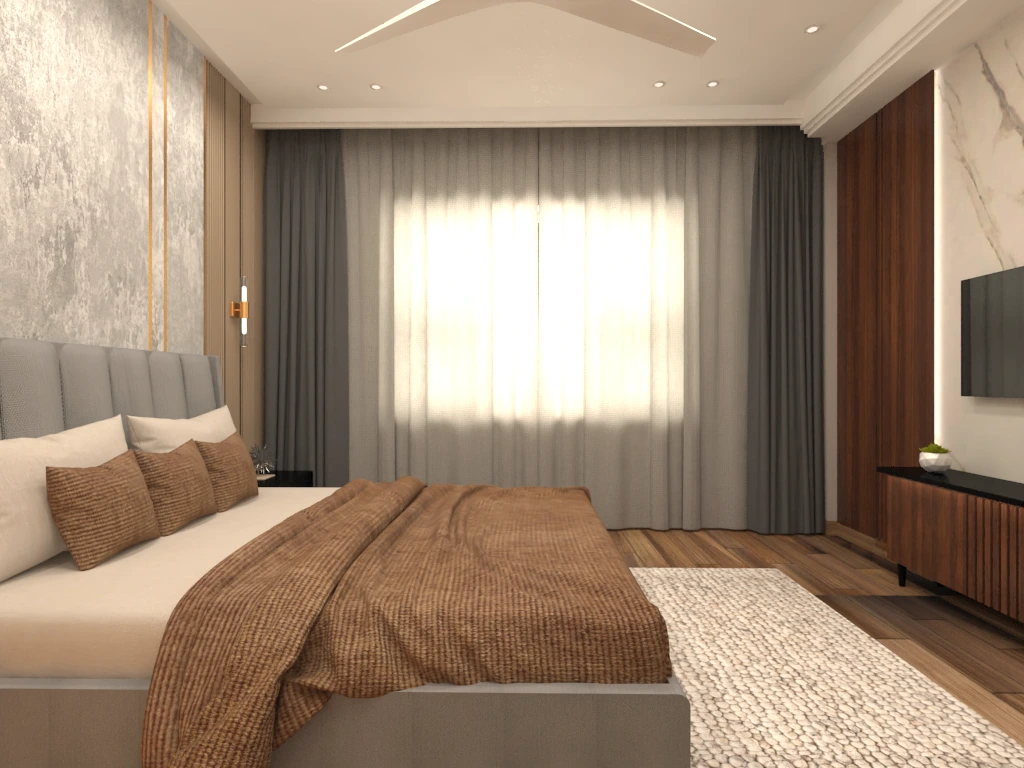
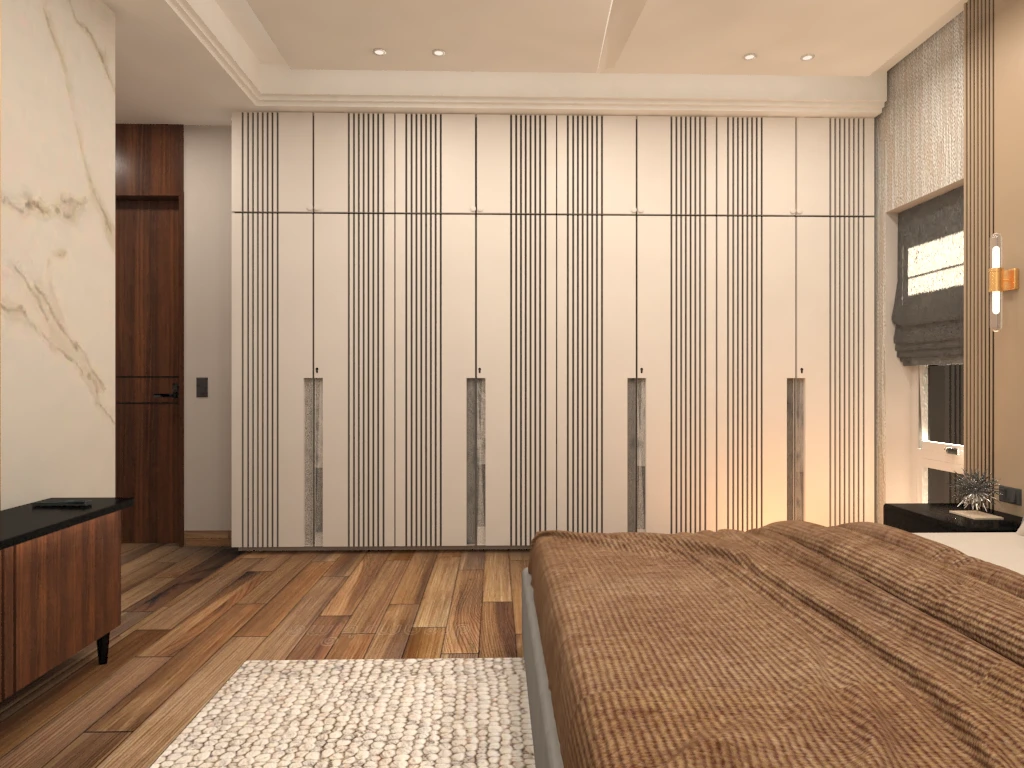
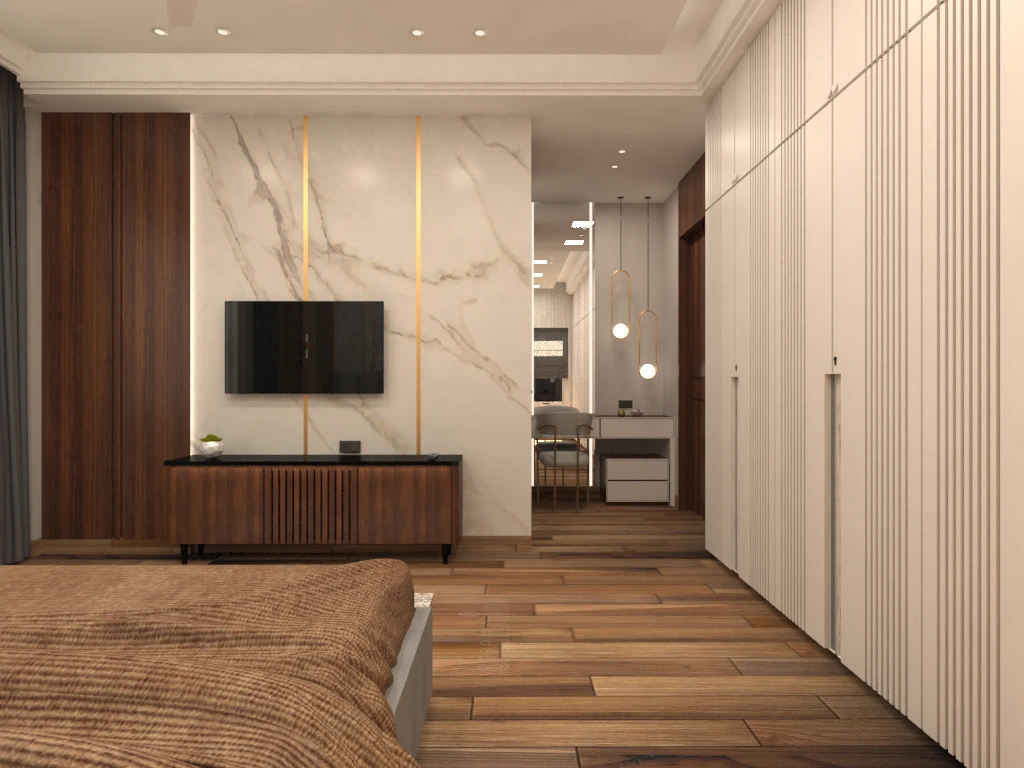
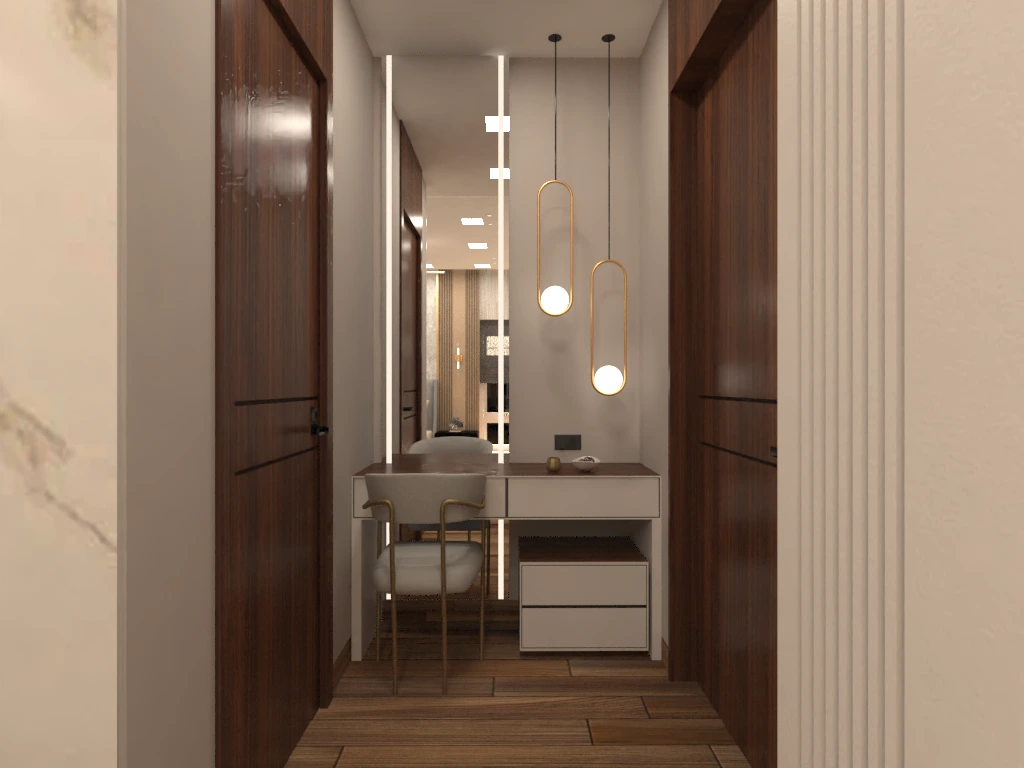
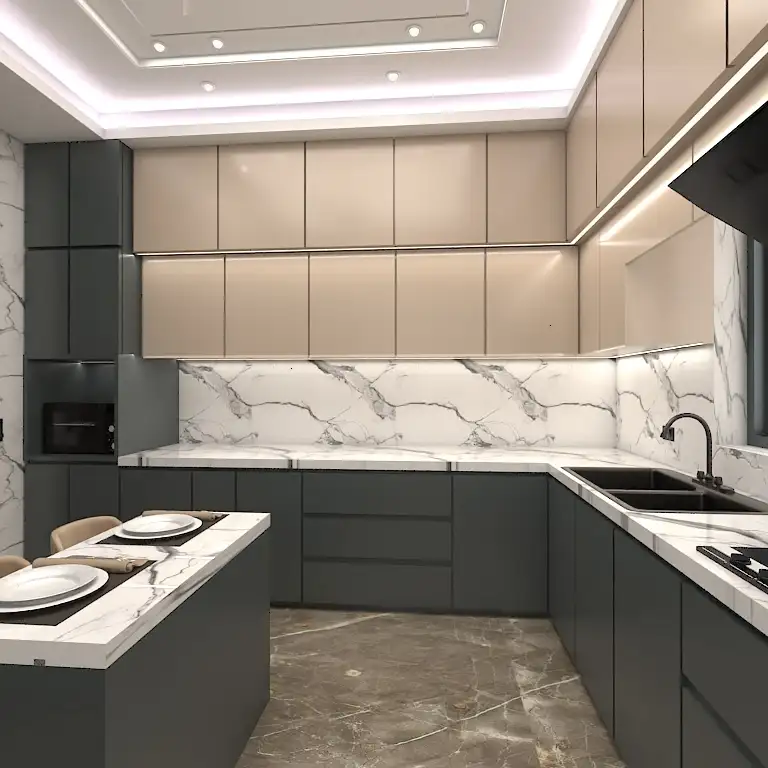
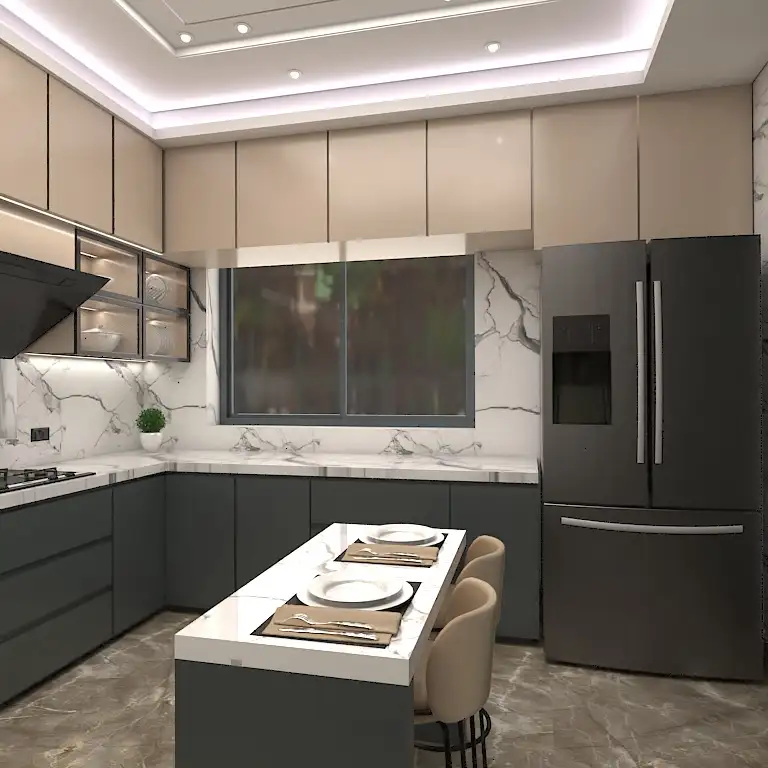
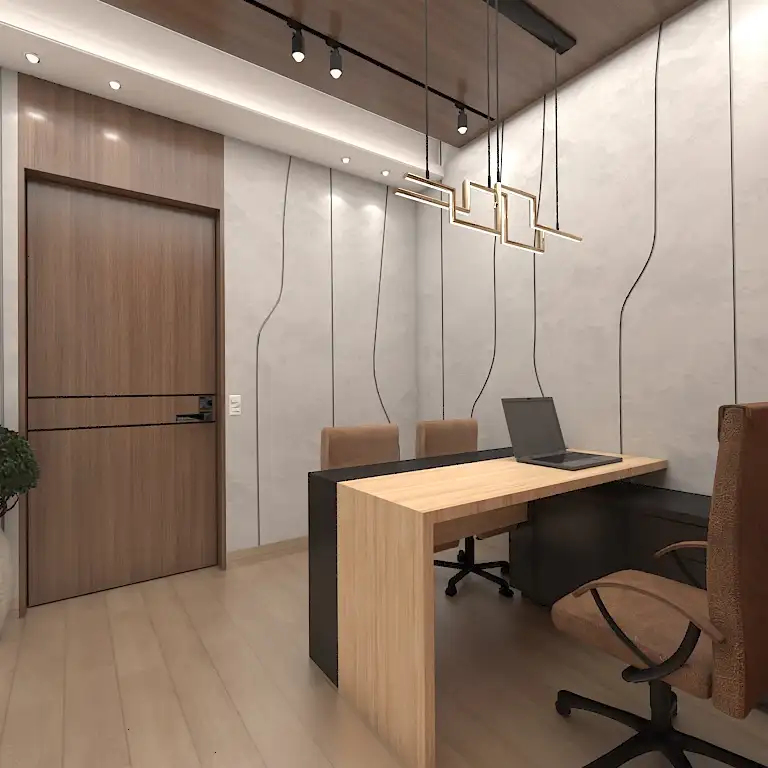
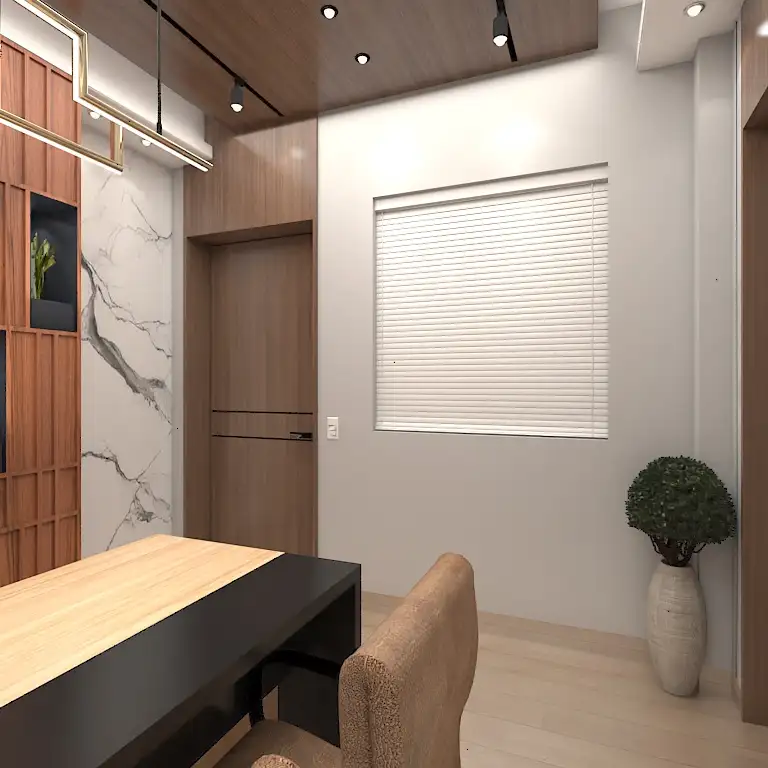
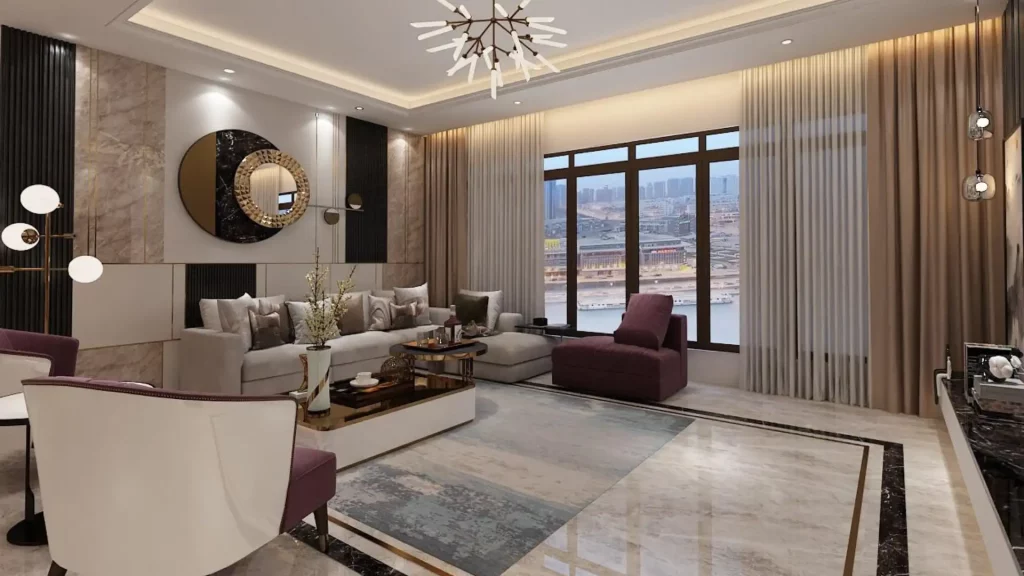
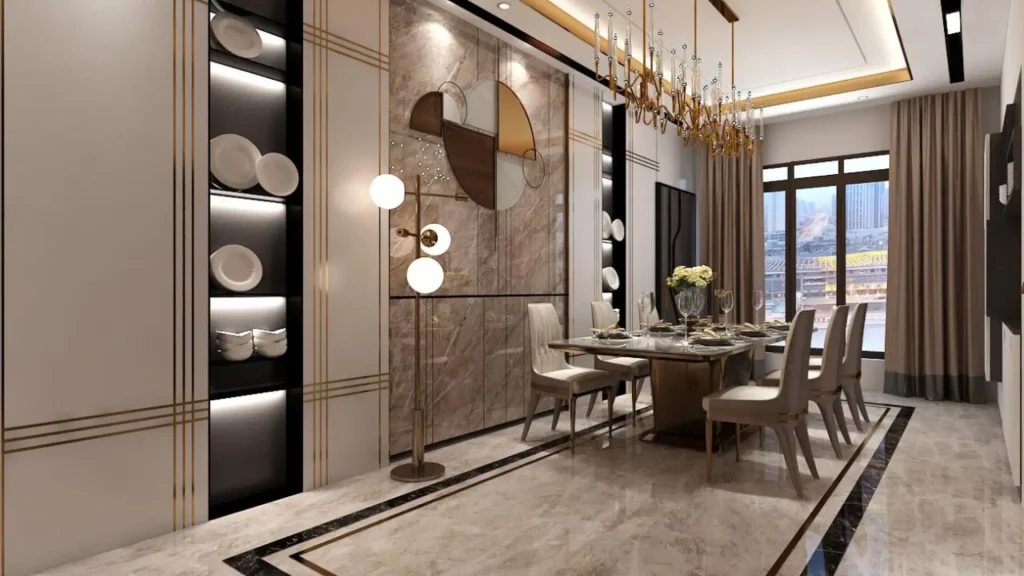
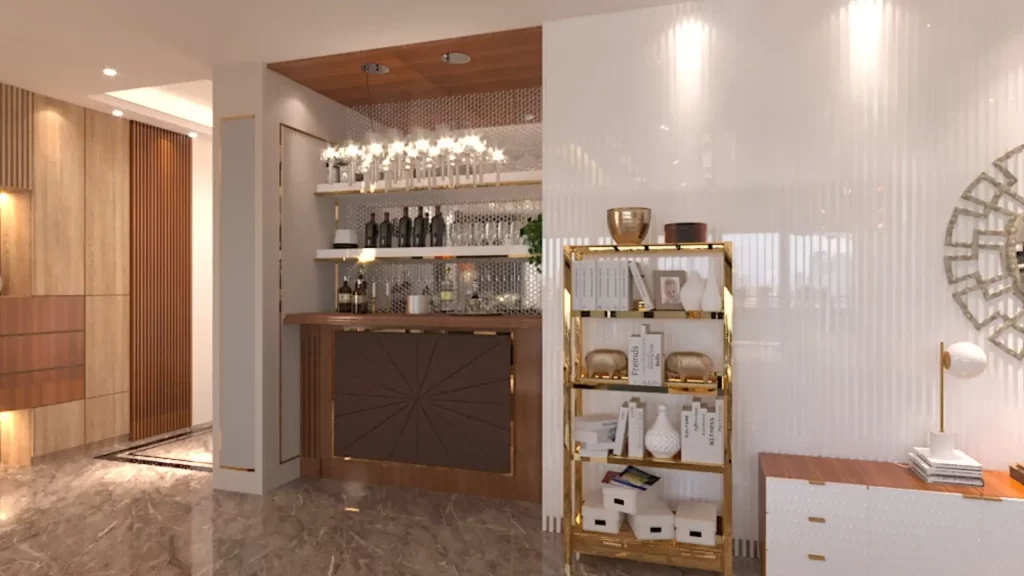
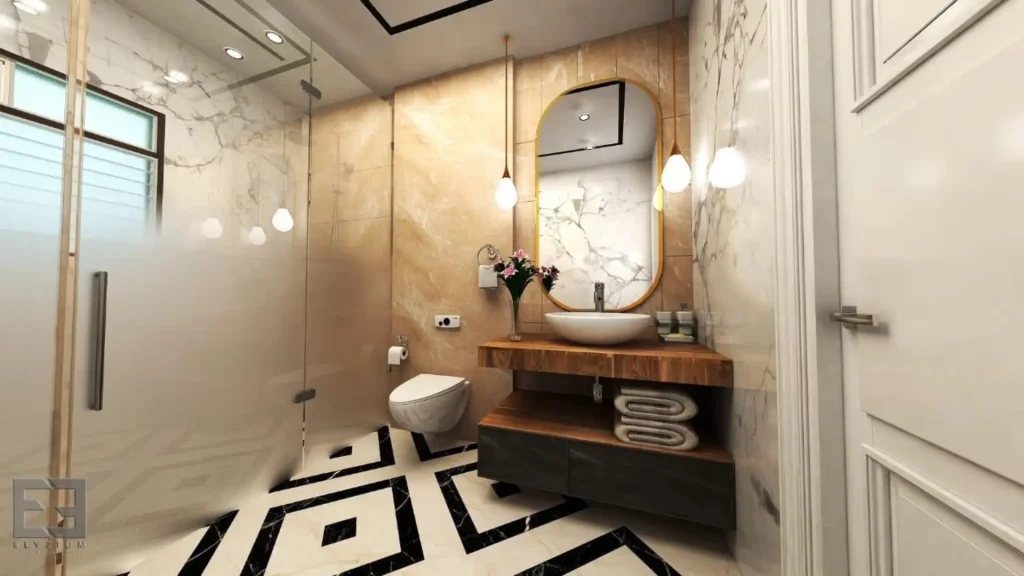
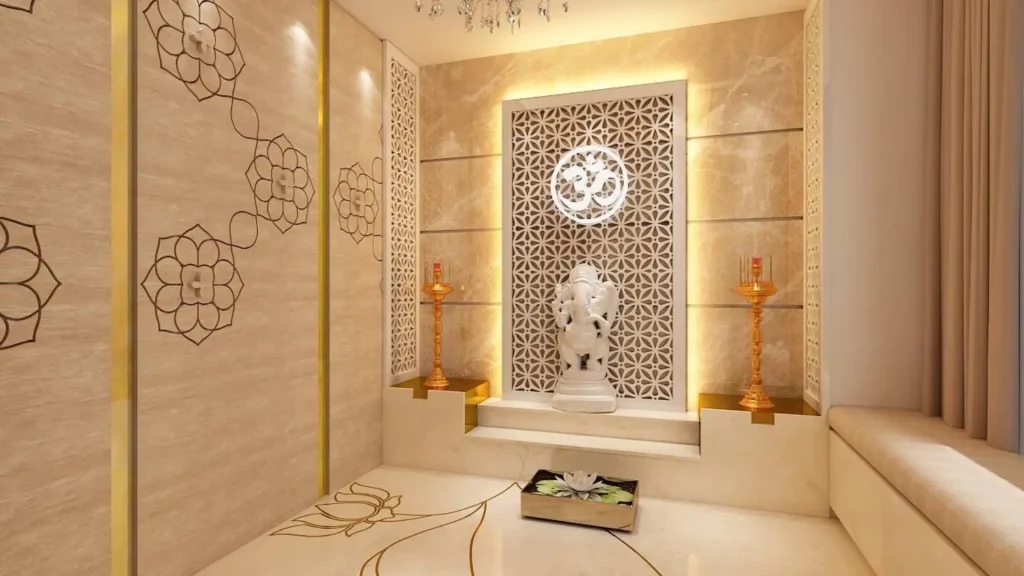
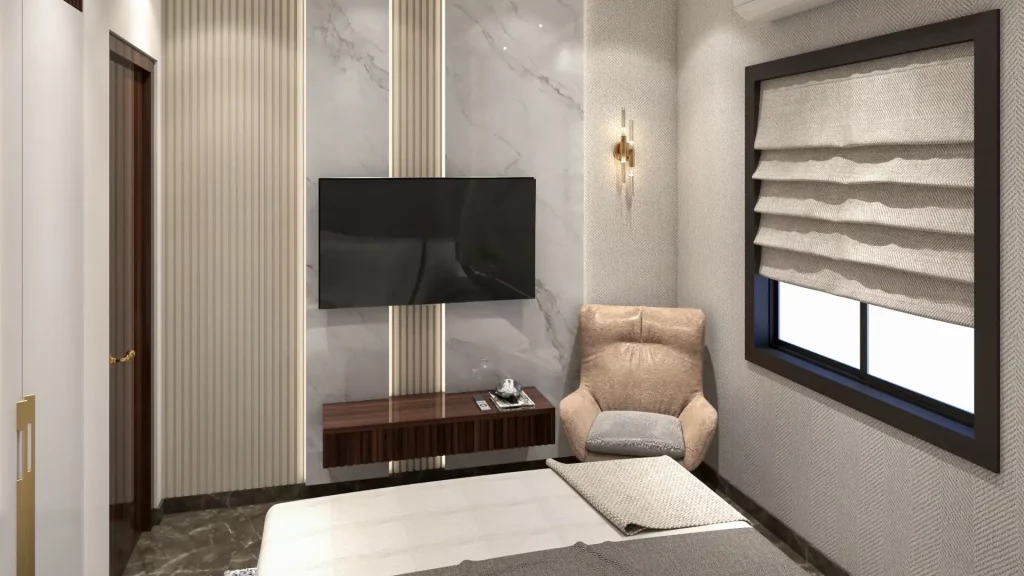
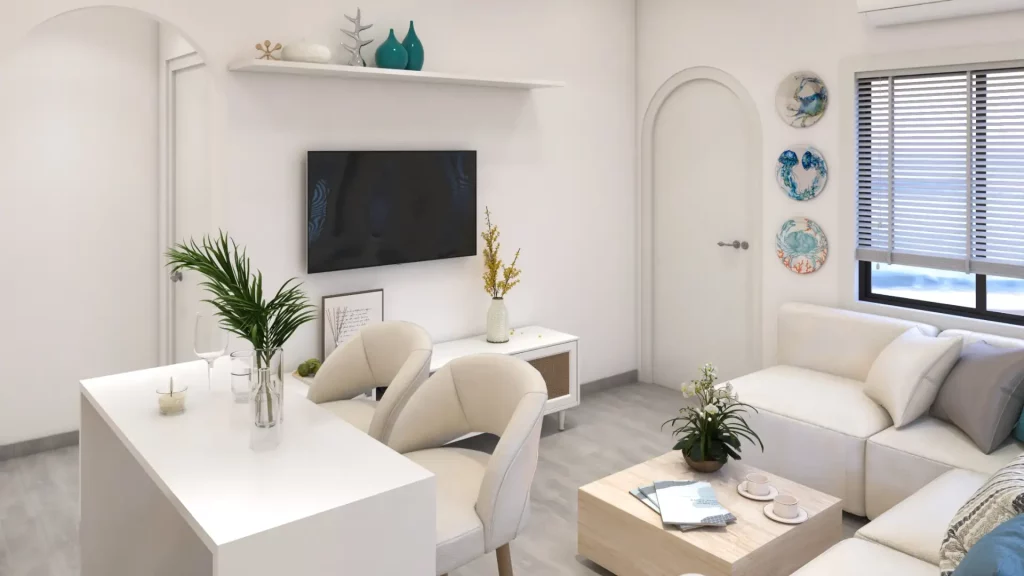
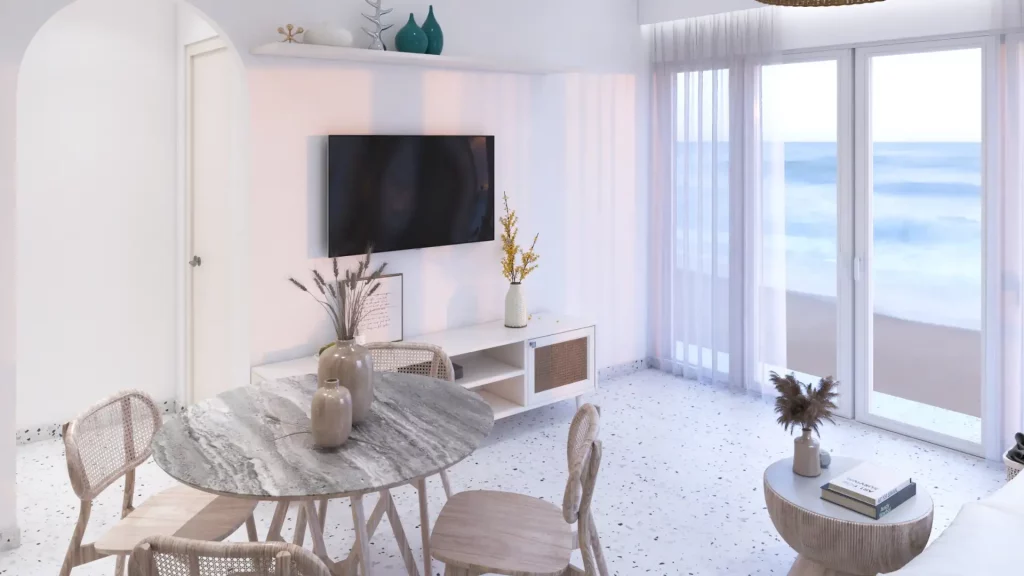
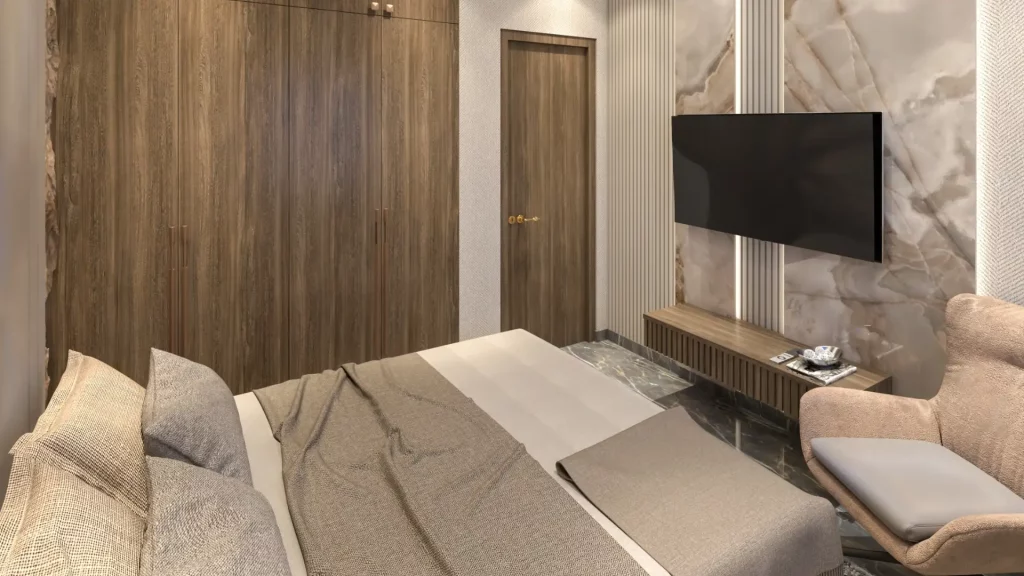
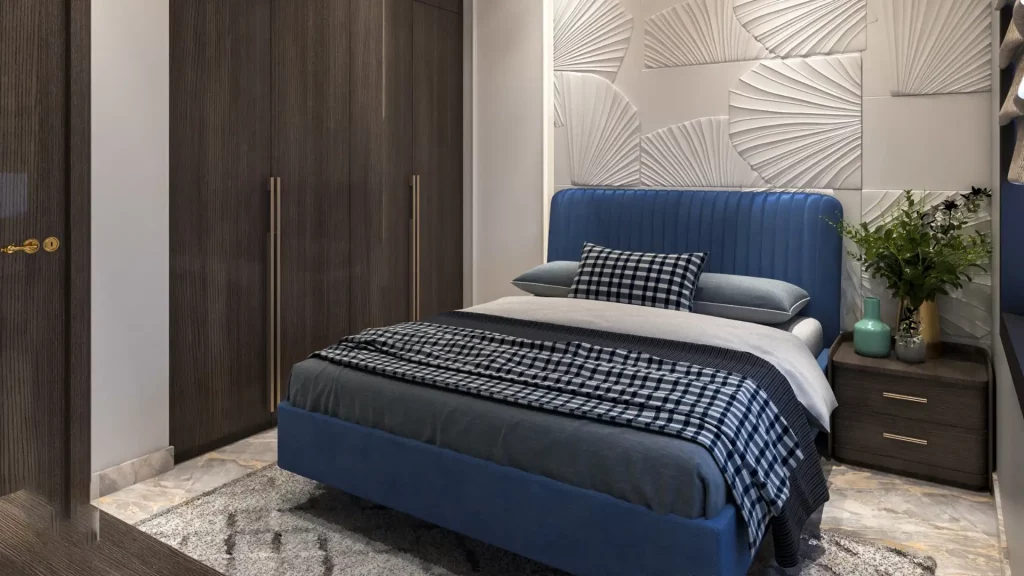
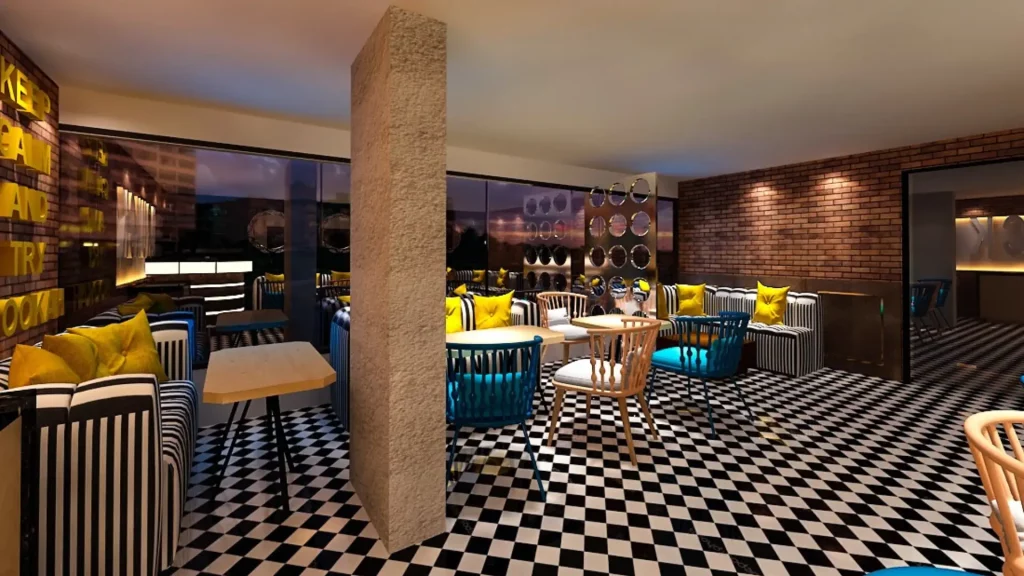
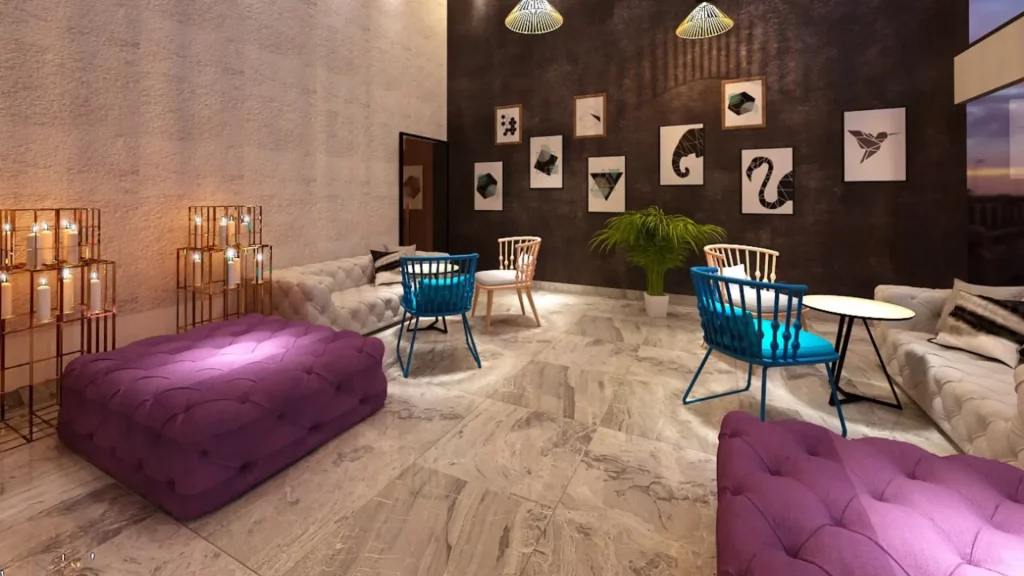
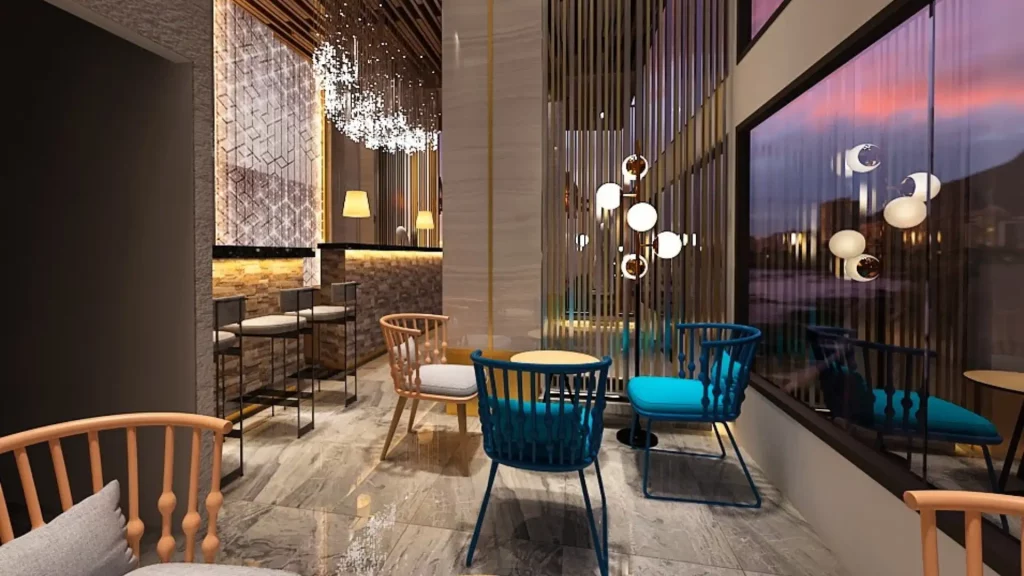
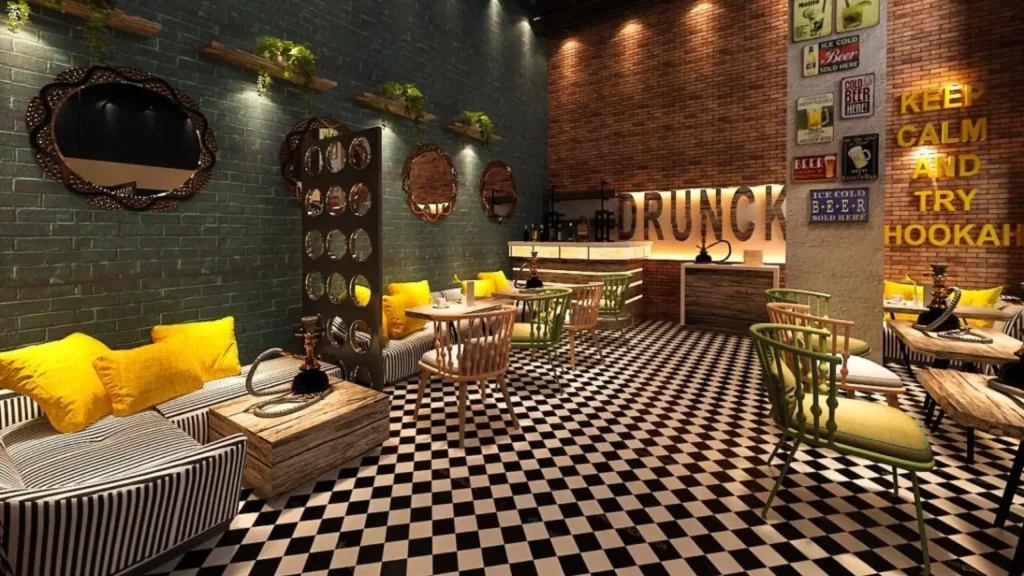
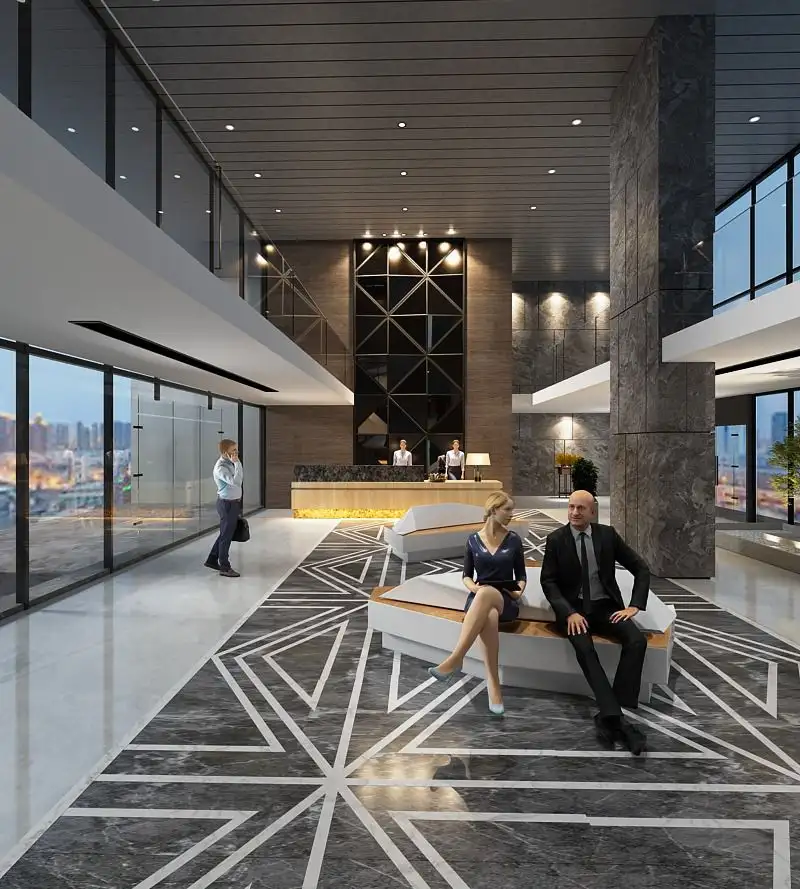
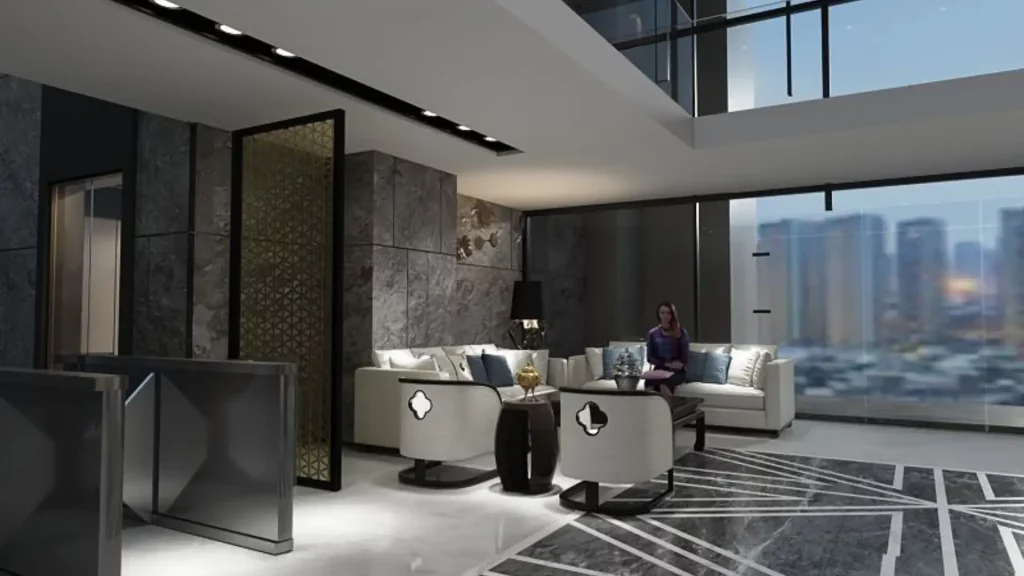
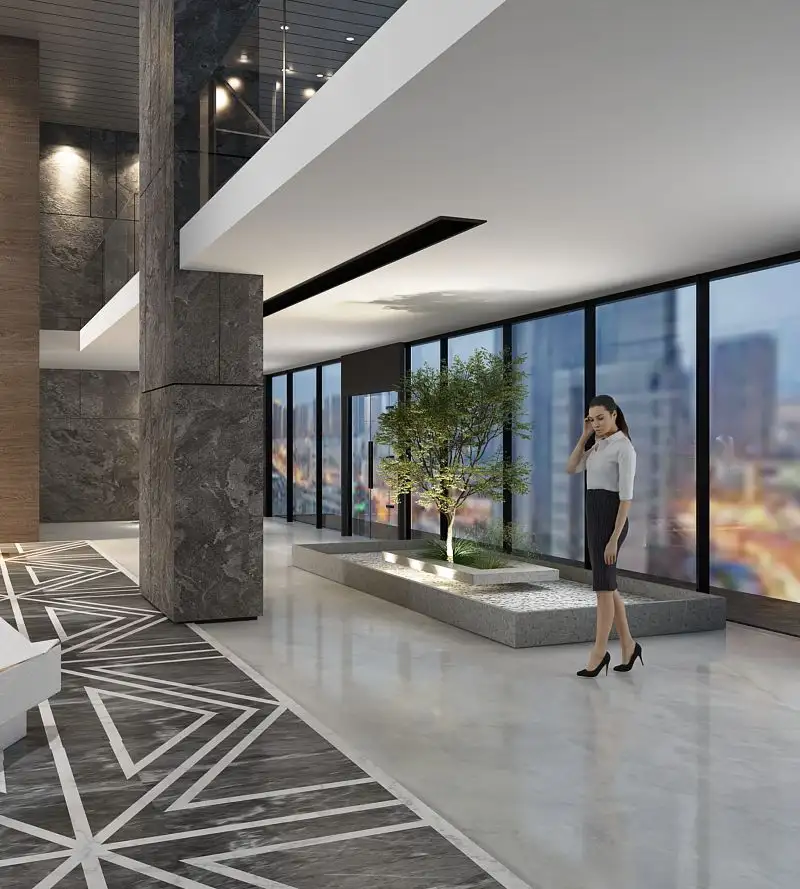
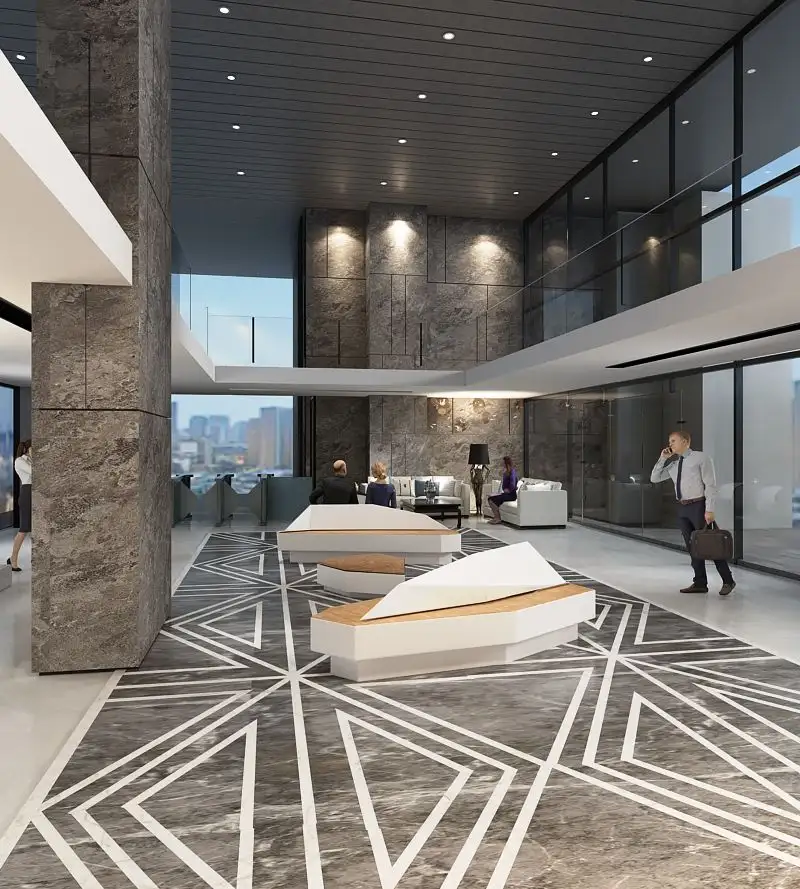
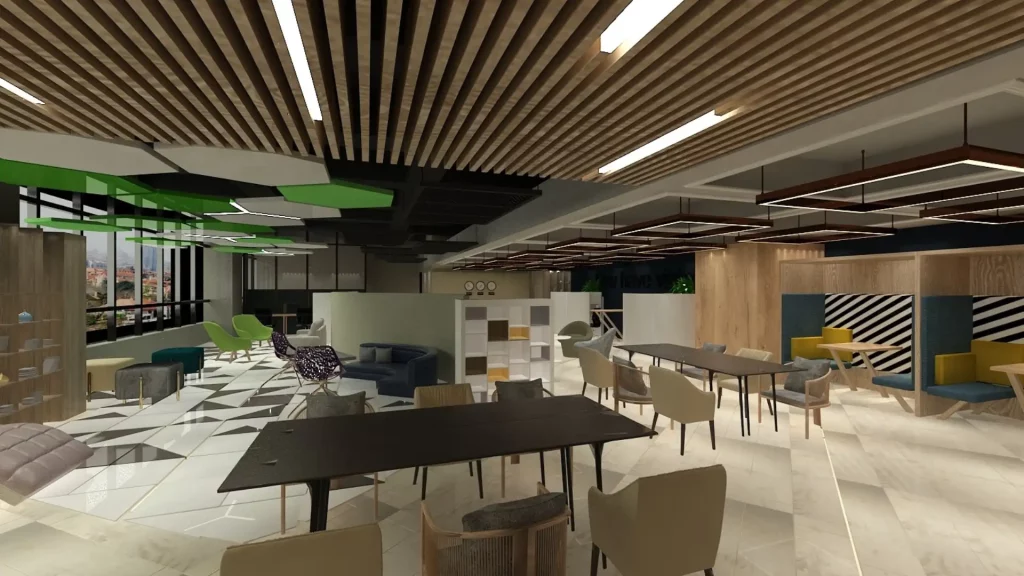
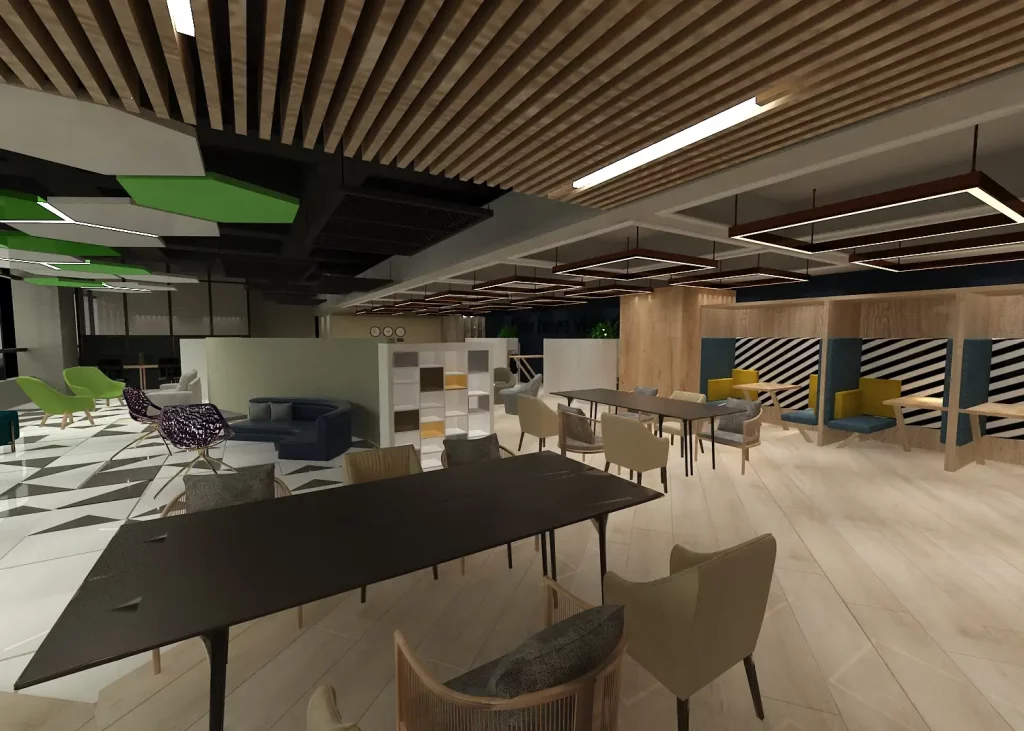
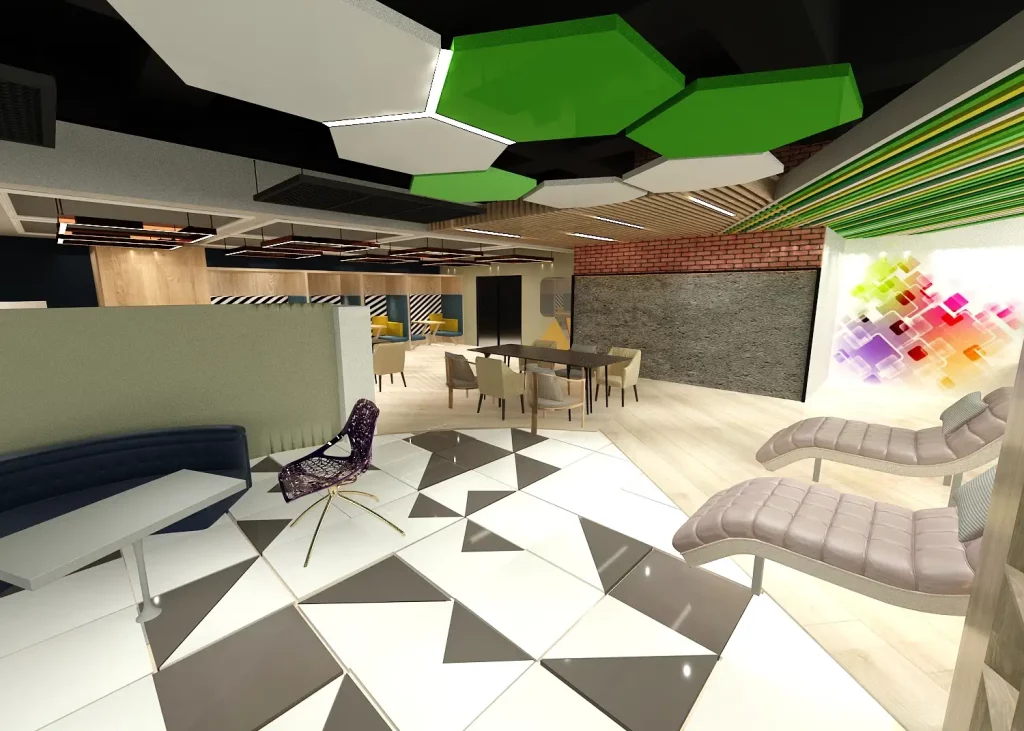
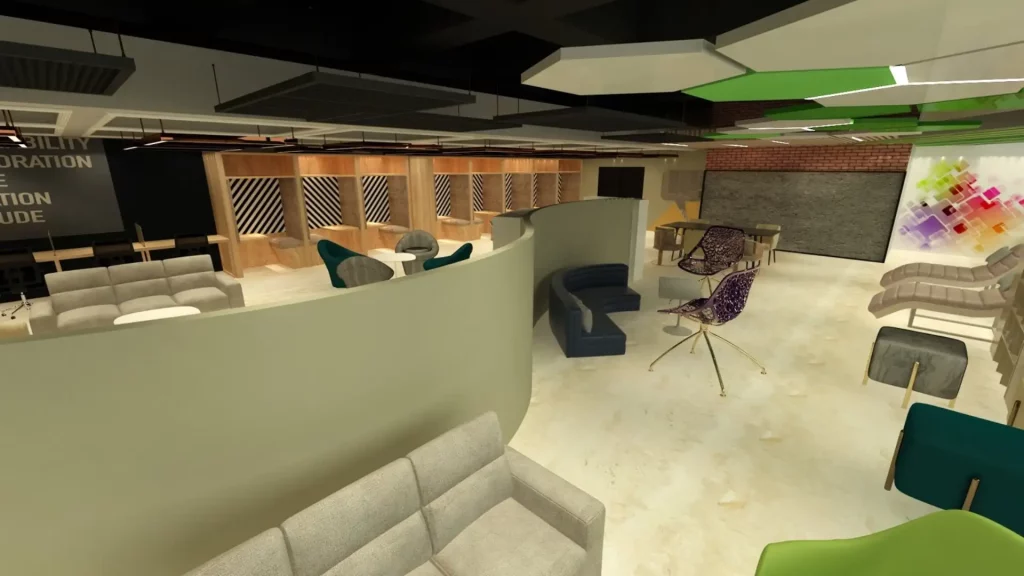
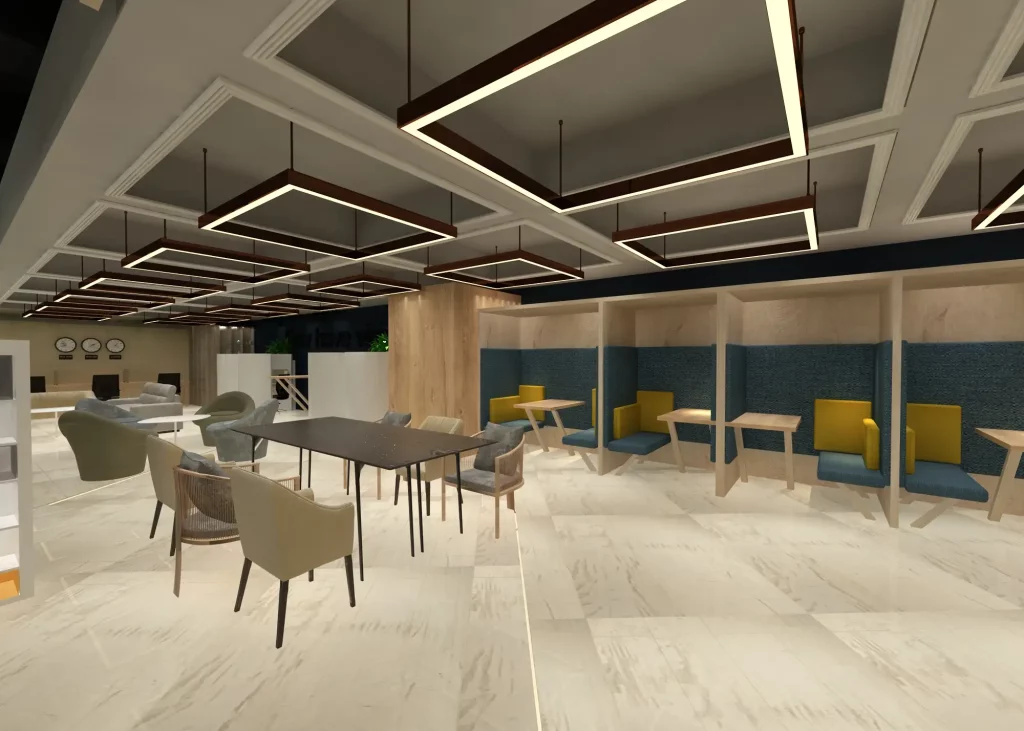
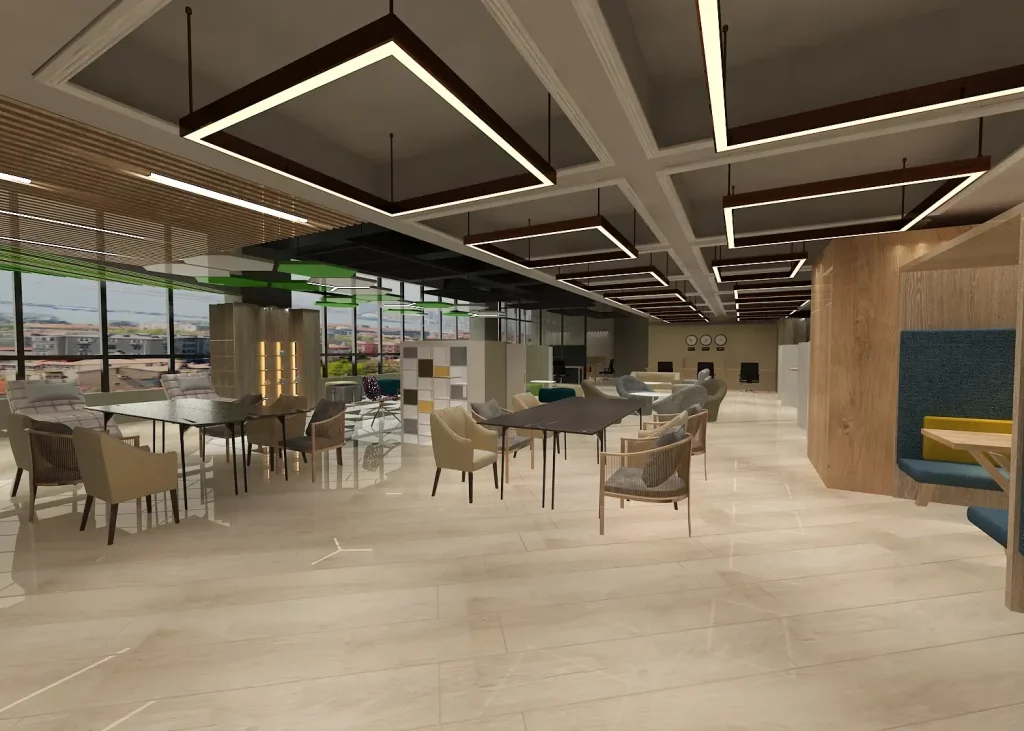
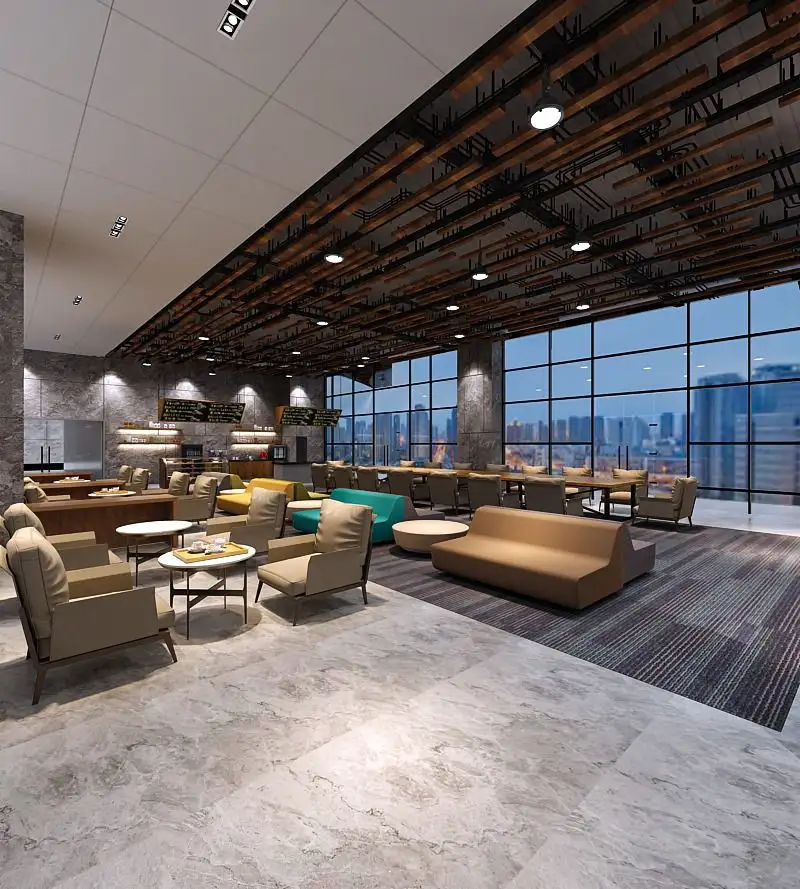
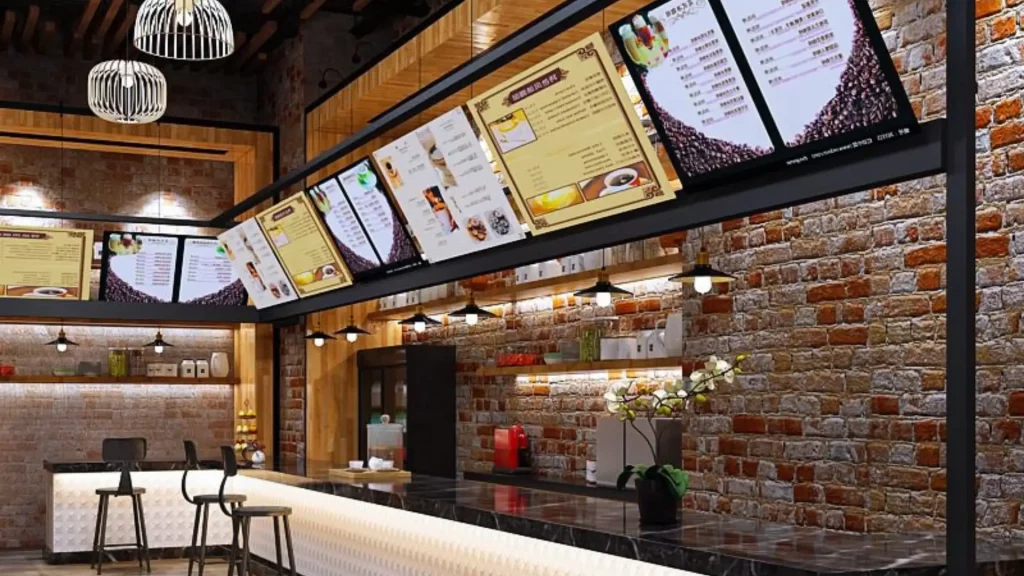
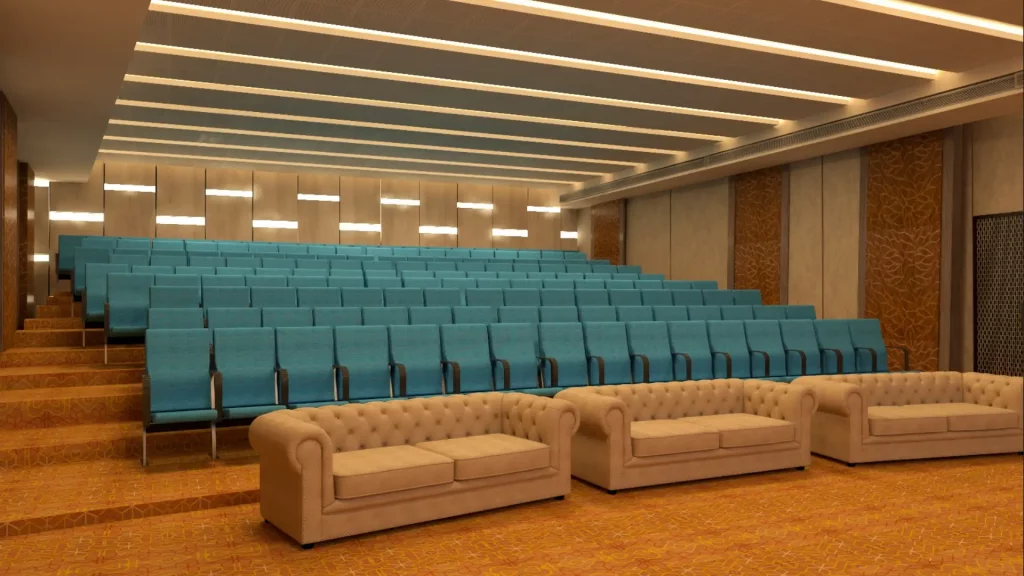
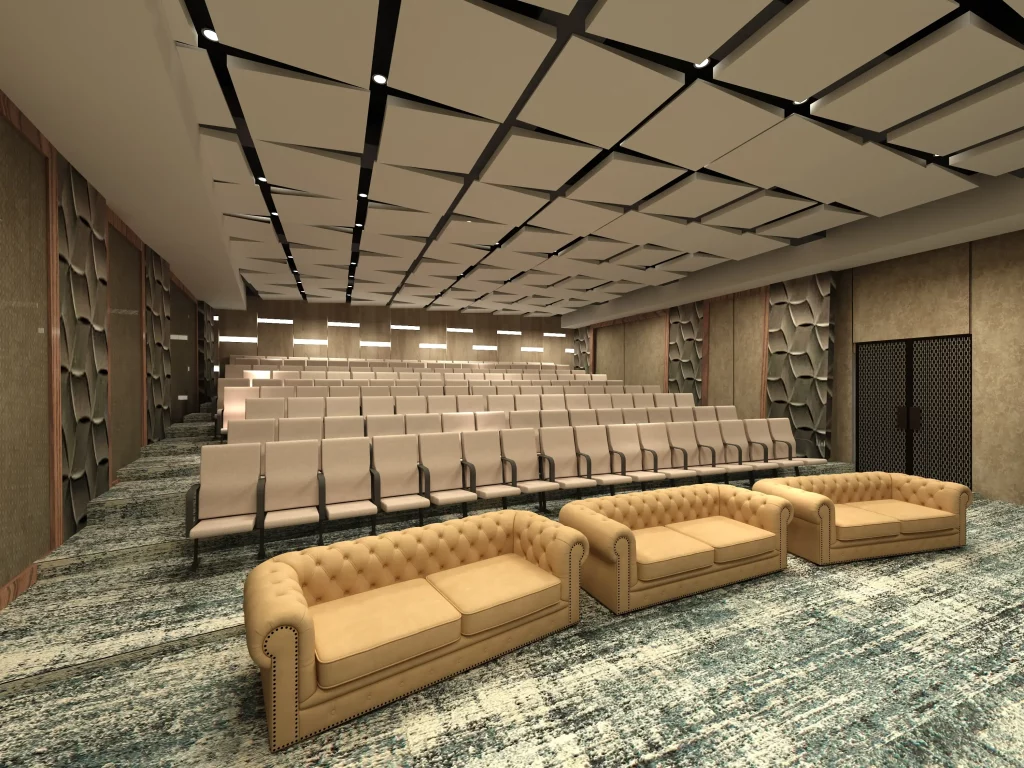
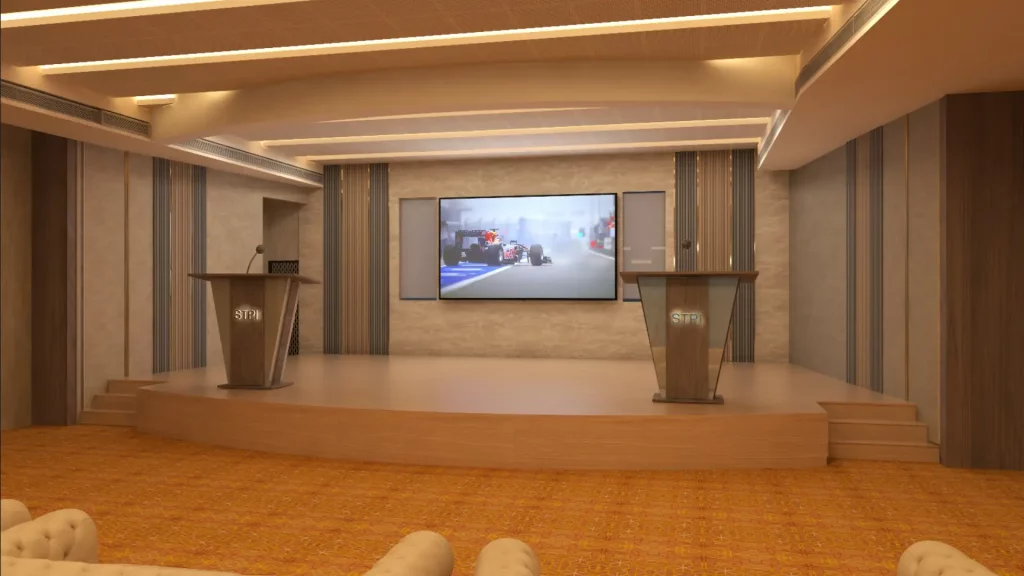
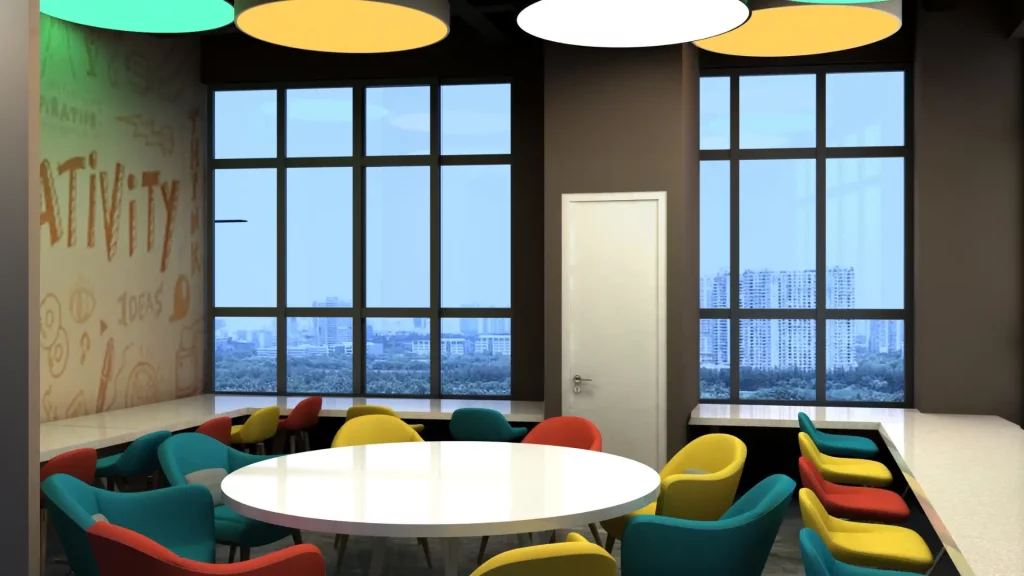
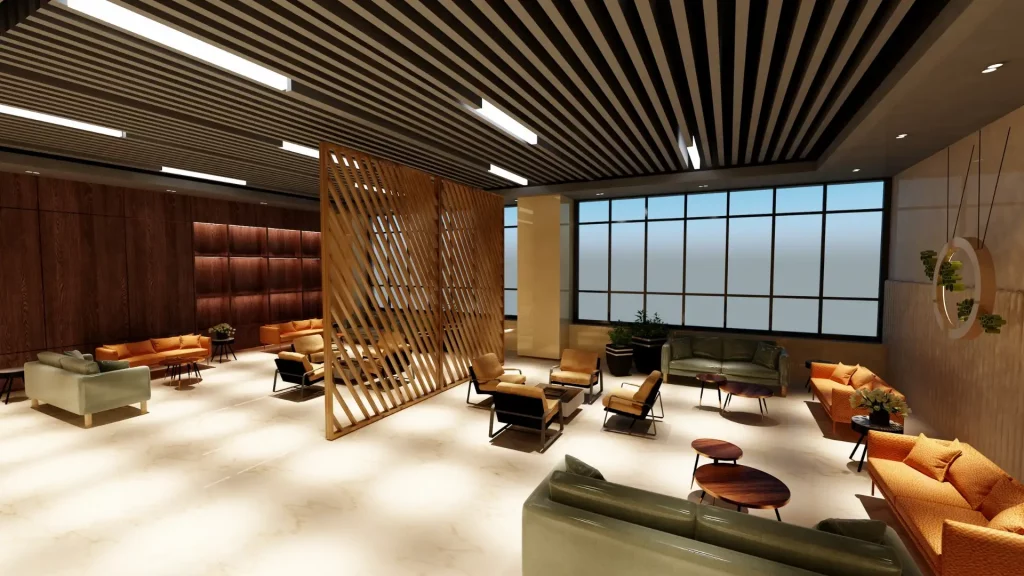
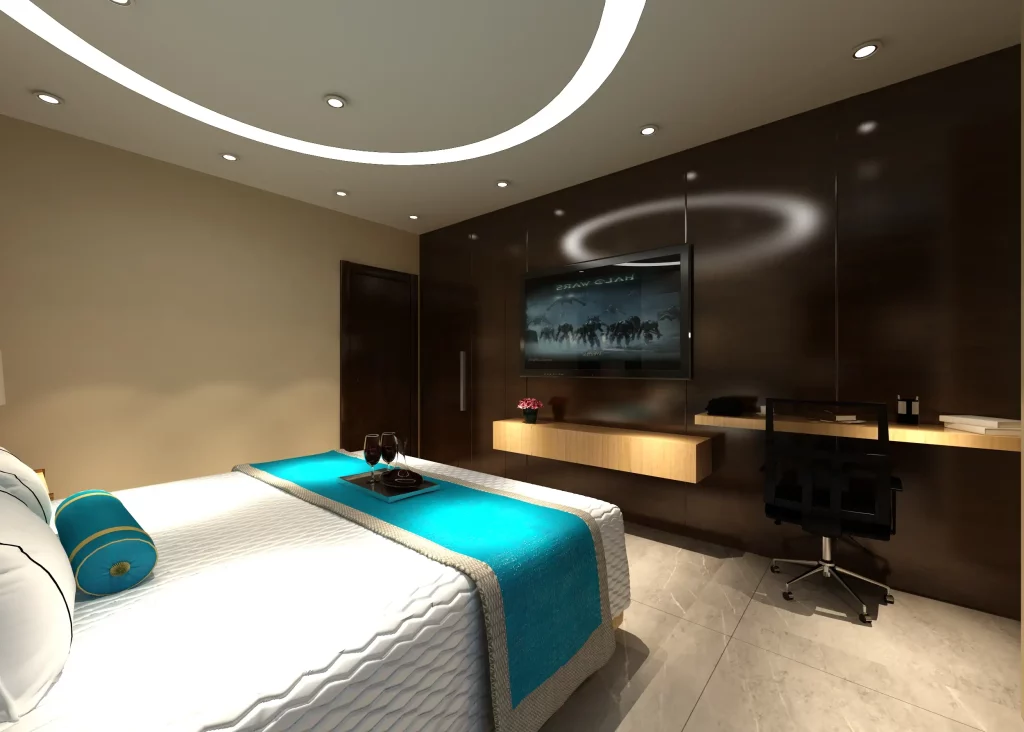
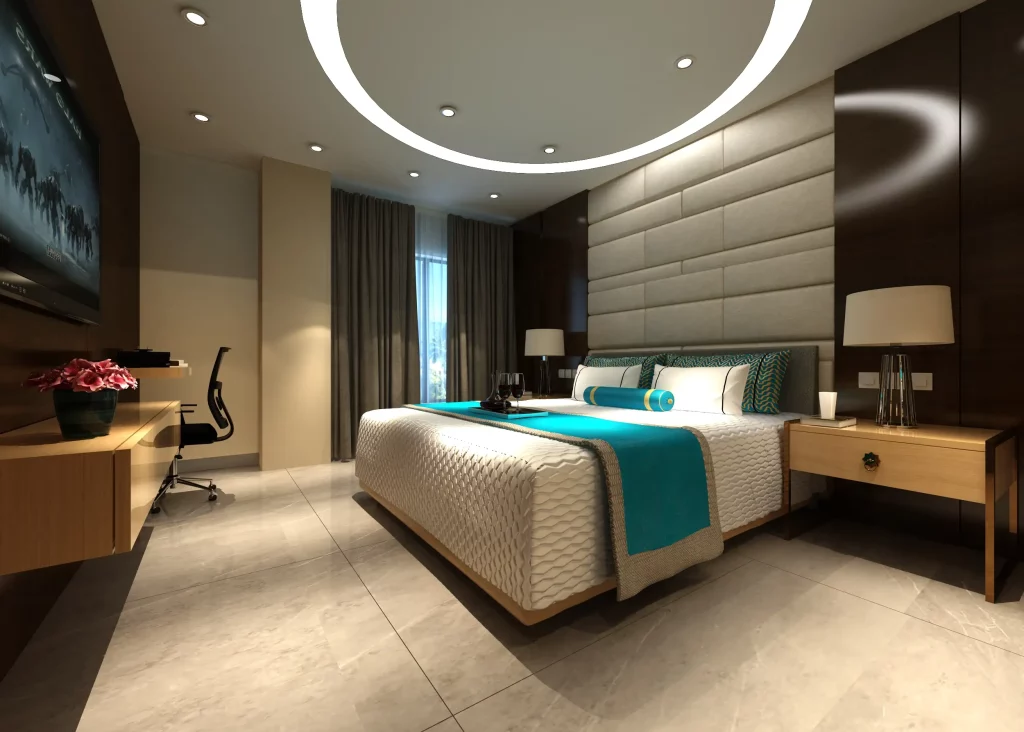
Yes, We provide 3D renderings or visualizations as a part of our design process. These tools help clients understand how the proposed design will look and feel in their space before any physical changes are made. These renderings are Photorealistic images of the proposed design, showcasing furniture, colours, textures, and lighting in a three-dimensional format.
It Includes 3D models, virtual walkthroughs, or animations to provide an immersive view of the design often paired with floor plans, elevations, or mood boards for context. Please do visit our 3D Visualisation section in portfolio to get a detailed overview.
We include Mood Boards, 3D Visualisations, Drawings, depending on the scope of the project. These visual tools help the client understand the design direction and ensure the our vision aligns with the client’s preferences. Here’s what you can typically expect:
- Mood Boards:
– A mood board is a visual collage that captures the overall aesthetic and style of the project.
– It helps to convey the design’s overall vibe (modern, cozy, minimalist, etc.).
– It allows clients to provide feedback on the proposed style before moving forward. - Design Drawings:
– A scaled 2D drawing showing the layout of furniture and the flow of the space.
– Elevations: we provide 2D elevations of walls, and other architectural features.
– Sections: we provide sectional views in case required for detailed inner view of a specific manufacturing process. - 3D Renderings:
– We include 3D visualizations of the space to help you better envision the final result.
– This tool help clients understand how the proposed design will look and feel in their space before any physical changes are made.
– These renderings are Photorealistic images of the proposed design, showcasing furniture, colours, textures, and lighting in a three-dimensional format.
– It Includes 3D models, virtual walkthroughs, or animations to provide an immersive view of the design paired with floor plans, elevations for context.
Please do visit our 3D Visualisation section in portfolio to get a detailed overview.
Yes, We offer virtual interior design services, here it allows clients to receive professional design advice, plans, and guidance. All interactions take place through email, video calls, or chat, ensuring flexibility in communication. Here’s how it works:
– Client to provide detailed information about their space (photos, measurements, design preferences) and communicate their goals through online forms, video calls, or emails.
– We may require a physical visit once or twice for the detailed measurements and to gather the essence of the space to design it with heart in motion.
– We create a custom design plan, including mood boards, furniture layouts, scope of detailed works, Materials scope, Contractors and Vendors scope.
– We suggest detailed Measurements, Materials, Finishes, and décor and a list of recommended items.
– Clients review the initial design, provide feedback, and request changes if needed.
– Clients to manage sourcing items, coordinating contractors, and executing the design or they may have their execution team and with the help of professional drafted drawings, materials suggestion and other technical information, it is easier for the working team to execute the project.
Ideal for:
– Global Clients who want professional guidance and have their own working team and materials whereabouts.
– Clients who are looking for specific themed designs and looking for the designers regionally.
Are you interested in learning more about how to create a virtual design for your space?
We stay updated with current design trends and innovations through various methods that combine education, networking, and exposure to the industry. Here are the primary ways we keep our knowledge and skills current:
– Industry Events and Trade Shows
– Workshops & Seminars
– Subscriptions and Research
– Trend Reports
– Design Communities
– Being part of professional associations to connect with peers.
– Collaborating with Experts
– Exploring through travel design trends in other countries to gain a broader perspective.
– Studying traditional and modern design elements from diverse cultures.
– Implementing new ideas and materials in real projects.
– Learning from client feedback and project outcomes to refine our approach.
– Technology Adoption
– Staying updated on smart home integrations and automation trends.
– Environmental Awareness on sustainability trends.
Yes, we can absolutely work with existing architectural features or structural elements of a space. In fact, leveraging these features is a key part of our expertise. We are skilled at blending the existing character of a space with new elements to create cohesive and functional designs.
Yes, we absolutely offer customizable design solutions tailored to individual client preferences! As interior designers work to create spaces that reflect our clients’ personal tastes, functional needs, and lifestyles. Here’s how we ensure the designs are personalized:
- Personalized Design Brief
- Custom Design Solutions
- Space Planning Based on Client Needs
- Colour Palette Customization
- Style Adaptation
- Personal Touches
- Flexibility in Design Phases
- Collaboration with clients existing teams and vendors.
Would you like to explore how we could customize a space for you? Please do connect with us.
We integrating technology and smart home features into our designs, as these features enhance functionality, comfort, and convenience. Here’s how it’s done:
- Collaborative Planning
– We discuss the client’s tech needs, such as home automation, security, or entertainment systems, during the design phase. - Aesthetic Integration
– We conceal devices like speakers, cables, and hubs within furniture or walls for a clean look.
– We use design-friendly smart devices like decorative smart lights or mirrors. - Automation Systems
– We incorporate systems that centralize control for lighting, climate, and security through apps or smart assistants like Alexa or Google Home.
– We suggest multi-room audio setups or integrated home theatres. - Energy Efficiency
– We include smart thermostats, automated blinds, and energy-monitoring systems to reduce utility costs.
– We recommend smart lighting with timers or occupancy sensors. - Future-Proofing
– We ensure designs can accommodate upgrades as technology evolves.
– We use modular setups for easy replacement or addition of devices.
– We coordinate with tech experts to ensure seamless integration.
Incorporating sustainable design practices not only benefits the environment but also creates healthier, more efficient spaces for clients. Here are some key strategies designers implement:
- Material Selection
– We use eco-friendly, recycled, or renewable materials (e.g., bamboo, reclaimed wood).
– We like to opt for low volatile organic compounds like paints, finishes, and adhesives. - Energy Efficiency
– We incorporate energy-efficient lighting like LED fixtures.
– We choose appliances and systems with high energy ratings. - Water Conservation
– We install water-saving fixtures such as low-flow faucets and toilets.
– We use native plants for landscaping to reduce irrigation needs. - Waste Reduction
– We repurpose existing furniture or decor to minimize waste.
– We donate or recycle materials and items removed during renovations. - Indoor Air Quality
– We prioritize natural ventilation and air purification solutions.
– We use materials and furnishings that improve air quality and reduce allergens. - Certifications and Standards
– We adhere to certifications when applicable.
– We source from vendors with verified sustainable practices.
We ensuring that our designs complies with building codes and regulations. Here’s how this is we typically manage:
- Collaboration with Experts
– We partner with licensed architects, engineers, or contractors for technical assessments.
– We verify with their expertise to verify structural integrity, electrical safety, and plumbing compliance. - Permits and Approvals
– We obtain necessary permits for construction, renovations, or installations.
– We ensure all drawings and plans are approved by the relevant authorities before starting work. - Regular Inspections
– We schedule inspections at key project stages to confirm compliance.
– We address any issues raised during inspections promptly to avoid delays. - Documentation
– We maintain detailed records of plans, permits, and inspection reports.
– We share this documentation with clients to provide transparency.
Yes, sustainable and eco-friendly design options have become an essential part of modern Architecture & Design Sectors, and we actively incorporating green design principles into our works. If you’re looking to create an environmentally conscious space, there are a wide variety of sustainable design materials that can be used to reduce environmental impact, increase energy efficiency, and promote health and wellness.
Workshop Address : Matiagacha, Khari Bari Road, Langolpota, Rajarhat - 700135 Near Landmark - Rajarhat Chowmatha

FURNITURE ATELIER

© 2024-2027 Elyzium